In this article
- Key Takeaways
- How Drano works inside a clogged drain
- When Drano can damage plumbing
- Signs that Drano may have harmed your pipes
- When using Drano may not solve the problem
- Safer ways to clear a clogged drain
- What to do after using Drano
- How to prevent future drain clogs
- Further reading
- Conclusion
- Frequently Asked Questions
Key Takeaways
A chemical drain cleaner can sometimes clear a slow drain, but the condition of your plumbing and the type of blockage matter. These points will help you decide when to stop experimenting and call for help.
- Chemical cleaners use heat and caustic ingredients to attack certain organic clogs.
- Older, damaged, or completely blocked pipes carry greater risk during chemical treatment.
- A leak, persistent odor, bubbling, or recurring backup deserves closer attention.
- Plungers, hand augers, and trap cleaning are often safer first steps.
- Never mix drain cleaners, and tell a plumber exactly what you used.
How Drano works inside a clogged drain
If you are wondering, “is drano bad for pipes,” start with what happens inside the drain. Chemical cleaners are designed to react with material blocking the passage, rather than physically pulling that material out. The result can be useful for some slow drains, but it also creates heat and leaves you with a chemical mixture that must move safely through the plumbing. A drain that is already damaged or nearly sealed presents a different risk from a mildly slow drain.
The chemical reaction that breaks down clogs
Many chemical drain cleaners rely on highly alkaline ingredients that react with organic material such as hair, soap residue, and some grease. That reaction can break the clog into smaller material or soften it enough for water to pass. It does not mean every obstruction will disappear, and it does not repair a pipe that is cracked, collapsed, or heavily corroded.
The reaction also depends on contact. If the cleaner reaches only one part of a dense blockage, the drain may remain restricted while chemicals sit in the line. That is one reason a temporary improvement should not be mistaken for a complete solution.
Why heat and caustic ingredients matter
The chemical reaction can produce heat, which helps loosen some clogs but adds stress to a confined plumbing system. Caustic ingredients can irritate skin and eyes, damage surfaces, and cause injury if they splash back. They may also be harder to rinse away when water cannot move freely.
You should follow the product label rather than adding extra cleaner or extending the waiting time. More product is not automatically more effective, especially when standing water indicates that the drain is not carrying material away.
What Drano can and cannot dissolve
Chemical cleaners are generally aimed at organic buildup, not every object that can block a drain. A toy, bottle cap, mineral scale, tree root, or collapsed section of pipe will not become a normal flowing drain simply because cleaner was added. Even grease-heavy blockages can resist treatment when they are old, compacted, or located deep in the line.
For a broader look at common sink, tub, shower, and laundry drain problems, you can review these EPA Safer Choice, for lower-hazard cleaning products. The practical lesson is simple: identify the likely obstruction before choosing a method.
Why repeated use changes the risk
Using a chemical cleaner again and again can mask a developing plumbing problem. Each application exposes the drain, connections, and anyone working on the line later to another round of heat and caustic material. Repeated slow drainage is usually a signal to investigate the cause, not an invitation to keep dosing the pipe.
A recurring clog needs diagnosis, particularly if it returns soon after treatment. A plumber can determine whether the issue is local buildup, a trap problem, or a deeper restriction.
When Drano can damage plumbing
Whether chemical cleaner harms a pipe depends on several conditions, including age, material, existing damage, concentration, and how long the product remains in place. A sound drain that clears quickly is not the same situation as an old line filled with standing water. You should also consider what may happen when a plumber later opens the connection. Chemical residue can remain a hazard even after the clog appears to improve.
Older, weakened, or corroded pipes
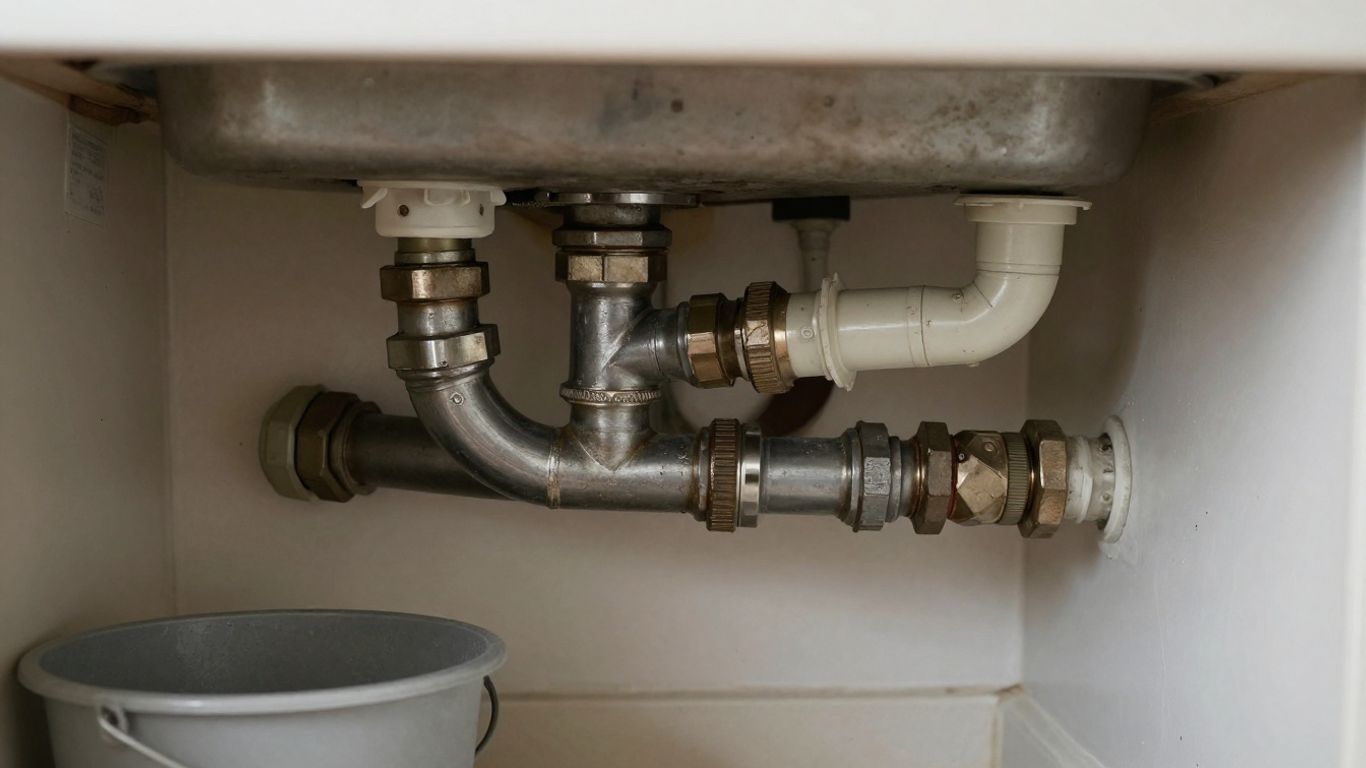
Older pipes may already have thin walls, corrosion, scale, or fragile connections. A chemical treatment may not create every underlying defect, but it can expose a weak point or accelerate trouble in a system that was already failing. If you see rust, dampness, or repeated leaks, a chemical cleaner is a poor substitute for inspection.
This is especially true when several fixtures drain slowly at once. That pattern can indicate a restriction farther along the branch or main line, where pouring more cleaner may leave the real problem untouched.
PVC, ABS, metal, and other pipe materials
Different plumbing materials respond differently to heat, chemicals, and age. Plastic piping, metal piping, glued joints, threaded fittings, and mixed-material transitions all have their own limitations. You should not assume that a product suitable for one labeled application is harmless to every component in your home.
The label and your plumbing records are useful starting points, but they cannot reveal hidden deterioration. If you do not know what material is behind the wall or beneath the slab, physical clearing or professional advice may be safer than repeated chemical treatment.
Seals, joints, and drain components
The vulnerable part of a drain may be a washer, gasket, joint, stopper, or trap rather than the straight section of pipe. Heat and caustic residue can be especially concerning when those components are old or already leaking. A slow seep beneath a sink can damage cabinets and flooring long before the plumbing failure becomes obvious.
A chemical cleaner also complicates hands-on work. Anyone removing a trap or opening a fitting needs to know that corrosive liquid may still be present inside.
Situations where chemical cleaners are especially risky
Some conditions deserve extra caution because the cleaner may not disperse normally. These include a complete blockage, visible leaks, an overflowing fixture, a septic or private wastewater system with special requirements, and a drain that has already received another chemical product.
If the fixture is full, stop adding product. Shut off nearby water if an overflow is possible, keep children and pets away, and seek advice based on the product label or a qualified professional.
Signs that Drano may have harmed your pipes
A drain problem after chemical treatment does not automatically prove that the cleaner caused pipe damage. Still, new symptoms deserve attention, especially when they appear alongside an older plumbing system or repeated applications. Watch the fixture, the cabinet below it, nearby walls, and other drains connected to the same line.
New leaks beneath sinks or fixtures
A new puddle, damp cabinet floor, wet ceiling below a bathroom, or drip around a trap should be treated seriously. Do not put your hand into standing liquid to investigate. If you suspect chemical residue, ventilate the area and avoid contact while you arrange professional help.
A leak can come from a loosened connection, failed seal, crack, or pressure change. The visible water may be only the easiest part of the problem to see.
Persistent odors, bubbling, or slow drainage
A harsh chemical smell that lingers, bubbling from a nearby fixture, or drainage that remains slow suggests that the line may not be clear. Gurgling can occur when air and water are struggling to pass through a restriction. Persistent symptoms after treatment are a reason to stop repeating the same approach.
Do not cover the smell with additional cleaner or household products. Fresh air and careful observation are safer while you decide whether the issue needs inspection.
Discoloration, corrosion, or damaged fittings
Green or white deposits, rust-colored water, pitted metal, warped plastic, and staining around fittings can point to age, moisture, or corrosion. These signs are not a chemical diagnosis by themselves, but they indicate that the plumbing deserves more than a quick pour-and-wait fix.
Photograph the area before cleaning it up. A clear record of where discoloration or leakage appeared can help a plumber understand what changed.
Symptoms that require a plumber’s inspection
If several fixtures back up, wastewater appears, or a leak continues after you stop using the drain, professional inspection becomes the sensible next step. Pro US Plumbers connects homeowners with independent plumbers in their area. The plumbers you hear from are independent businesses, not employees or agents of ours, so confirm each one’s license and insurance yourself before you hire.
When contacting a service, describe the fixture, the timing, the symptoms, and any product used. That information helps the plumber plan for safety and explain the likely process before arriving.
When using Drano may not solve the problem
A chemical cleaner is not a universal drain repair. It may have little effect on an object, root intrusion, collapsed pipe, or blockage located beyond the point where the product can work effectively. If the same drain repeatedly slows down, the most useful question is not which stronger chemical to try next, but why the restriction keeps returning.
Complete blockages and standing water
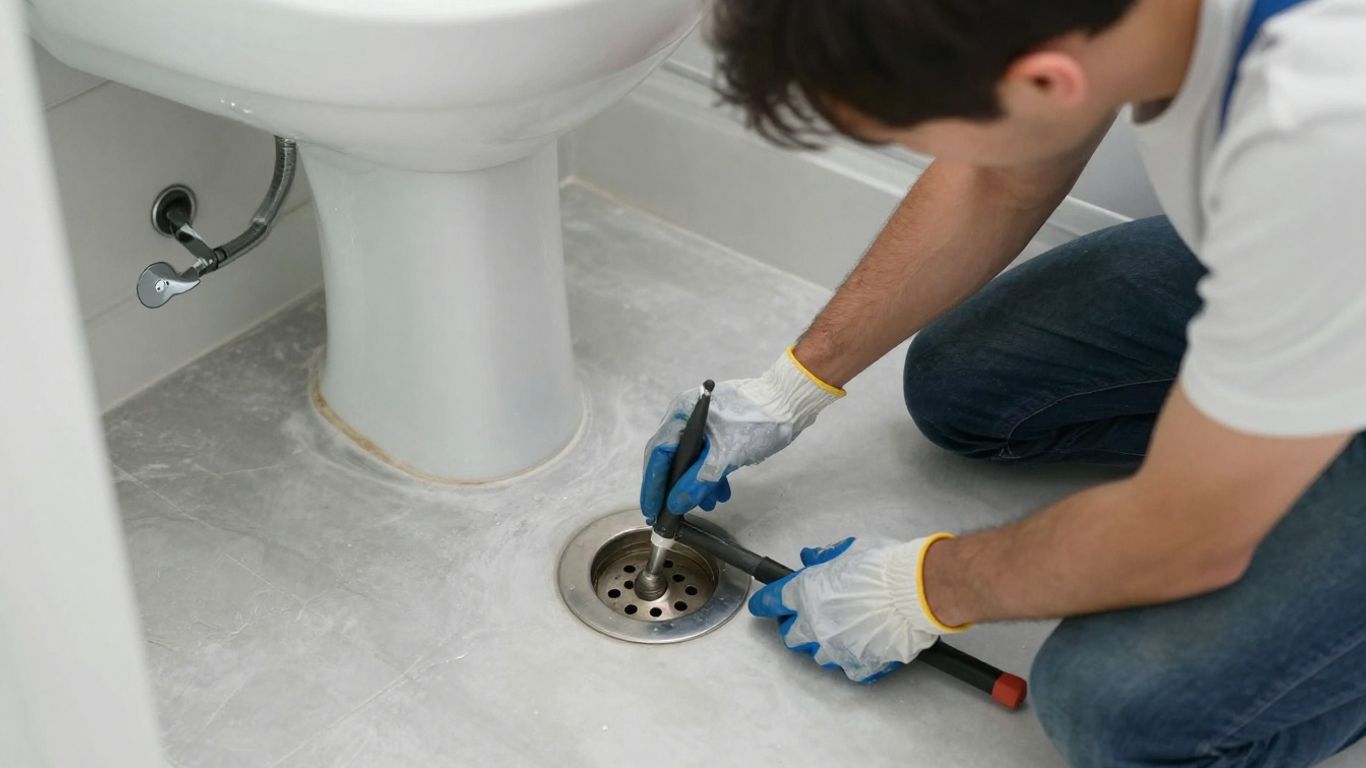
When water is standing in a sink, tub, or floor drain, flow is already severely limited. The product may remain concentrated near the fixture instead of moving through the pipe. That increases contact risk and makes later plunging, trap removal, or snaking more hazardous.
Avoid assuming that a quiet surface means the chemical has disappeared. Until the line has been safely flushed according to the label or handled by a professional, treat the contents as potentially caustic.
Clogs caused by roots, grease, or solid objects
Tree roots, hardened grease, food scraps, hair mats, and solid objects require different approaches. Roots may need mechanical cutting or line repair. A dropped object may need retrieval, while deep grease may call for mechanical cleaning rather than a small amount of household product.
Choosing the wrong method can push material farther into the line or delay repairs. The more unusual the symptom, the less useful a one-size-fits-all chemical treatment becomes.
Recurring backups deeper in the drain line
A backup that returns in multiple fixtures often points beyond a single sink trap. The restriction may be in a branch drain, building sewer, or main line. In that situation, repeatedly treating one fixture can leave the underlying obstruction in place while adding risk to the plumbing.
Record when the backup occurs and which fixtures are affected. That pattern gives a plumber better information than a general report that “the drain is clogged.”
Why mixing drain cleaners creates additional danger
Never combine drain cleaners, and do not add bleach, acids, ammonia, or other household products to a treated drain. Different ingredients can react, release irritating fumes, generate heat, or create a more dangerous liquid in the pipe. You should also avoid pouring a second cleaner into a drain simply because the first one did not work.
If you have already mixed products or notice fumes, leave the area and contact emergency or poison-control resources appropriate to your location. Do not try to neutralize the mixture yourself.
Safer ways to clear a clogged drain
For many ordinary household clogs, mechanical methods let you remove the blockage without leaving corrosive liquid in the line. The right choice depends on the fixture and your comfort level with basic plumbing work. Start gently, protect surrounding surfaces, and stop if the obstruction does not respond.
Using a plunger correctly
A plunger works by creating pressure and suction at the drain opening. Use the correct style for the fixture, add enough water to cover the cup, and seal nearby openings when appropriate. Short, controlled strokes are usually more useful than violent force, which can stress fittings or splash contaminated water.
If chemical cleaner may still be in the drain, do not plunge. Splashback can injure you, so use a different approach or ask a professional how to proceed.
Choosing a drain snake or hand auger
A hand auger can reach beyond the drain opening and physically break up or retrieve some clogs. Feed it slowly, turn it steadily, and avoid forcing it when you meet strong resistance. Removing the tool carefully matters as much as inserting it because the blockage may come back with it.
For a deep or recurring obstruction, a longer professional cable or camera inspection may be more appropriate. Household tools have limits, especially in long or damaged lines.
Removing and cleaning the trap
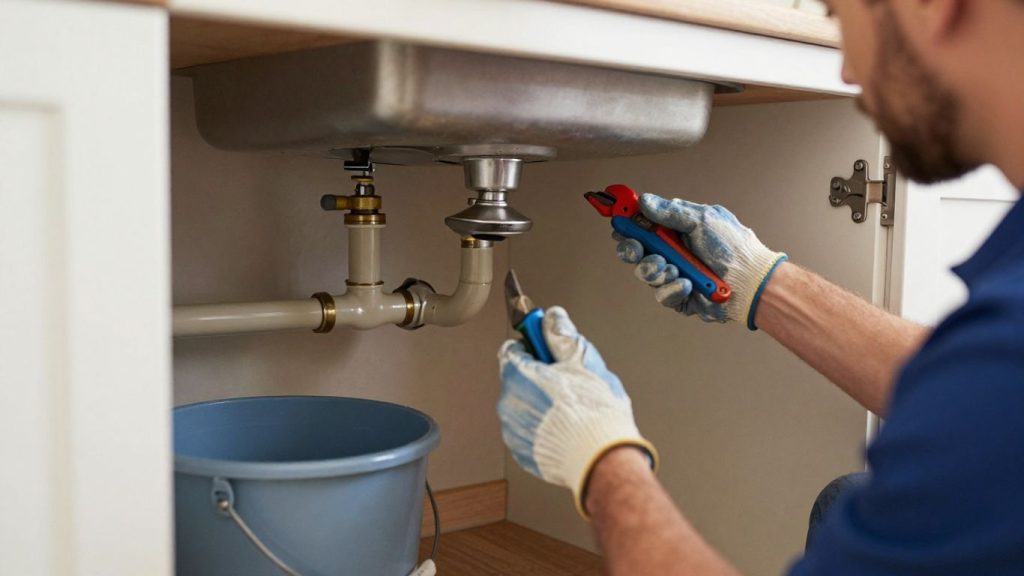
The trap beneath a sink often collects food, hair, and other debris. Place a bucket underneath, loosen the connections carefully, and inspect the trap before putting it back. Replace worn washers and check for leaks after reassembly.
Do not remove a trap if it may contain chemical cleaner. If you have already used a product, tell anyone working on the drain before they loosen a fitting.
When enzyme-based cleaners may be appropriate
Enzyme or microorganism-based maintenance products are different from caustic clog removers because they are intended to break down certain organic residue gradually. They are not a solution for a solid object, root intrusion, or fully blocked line, and you should follow the product label closely.
Routine maintenance works best when the drain is still flowing. If the fixture is backing up now, mechanical clearing and diagnosis usually deserve priority.
What to do after using Drano
If you have already used a chemical cleaner, do not panic, but do slow down. Read the exact label, keep the container available, and avoid adding anything else to the drain. The next safe step depends on whether the fixture is flowing, how much product was used, and whether anyone has been exposed.
Ventilating the area and avoiding chemical contact
Open doors or windows when you can do so safely and keep people and pets away from the fixture. Avoid touching standing water, residue, or splashes with bare skin. If product reaches your eyes or skin, follow the first-aid directions on the label and seek medical guidance promptly.
Do not lean over the drain to smell it or inspect it closely. Fumes can be irritating even when the clog appears to be improving.
Flushing the drain according to the label
Only flush as directed on the product label and only when the fixture can accept water without overflowing. Do not improvise with boiling water, another chemical, or a large volume of water intended to force a complete blockage open.
If the drain does not move, stop. A licensed plumber can advise you about the remaining product and the safest way to open the line.
Avoiding plungers after chemicals remain in the pipe
Plunging can send treated liquid back through the drain opening and onto your face, hands, clothing, or nearby surfaces. The same concern applies to opening a trap or pushing in a snake before you know the chemical has been safely removed.
Place safety ahead of speed. A few extra minutes spent reading the label and arranging help can prevent a painful splash or a more complicated repair.
Telling a plumber which product was used
Give the plumber the product name, approximate amount, time of application, and whether you flushed the drain afterward. If possible, keep the container or take a photograph of its label. Pro US Plumbers is a referral service: it puts your request in front of independent plumbers who work nearby.
Clear information protects you and the person working on the line. It also helps the plumber bring suitable protective equipment and choose a safer clearing method.
How to prevent future drain clogs
Prevention is usually less dramatic than emergency clearing, but it is far easier on your plumbing and your budget. Small habits reduce the amount of hair, grease, food, and foreign material entering the line. They also help you notice a developing issue before water reaches the floor.
Keeping grease, hair, and food out of drains
Let cooking grease cool and place it in the trash rather than washing it down the sink. Scrape plates before rinsing them, keep coffee grounds out of the drain, and collect hair before it reaches a shower or tub opening. These materials can combine farther down the line even when the fixture seems clear today.
Do not flush wipes, paper products other than toilet paper, or small objects that can catch on existing buildup. A clear opening is not proof that the material will travel safely through the whole system.
Using strainers and routine maintenance
Strainers are inexpensive barriers for sinks, showers, and tubs. Empty them regularly instead of rinsing the collected debris back into the drain. Gentle cleaning and occasional inspection can reveal buildup before it becomes a complete blockage.
A maintenance product may be appropriate for a flowing drain when its label supports that use, but it should not replace mechanical repair when symptoms persist.
Recognizing early signs of a developing blockage
Slow drainage, gurgling, small backups, and unpleasant odors often appear before a serious obstruction. Treating those signs early gives you more options and reduces the temptation to pour several products into the same line. Keep track of whether one fixture or several are affected.
These warning signs are especially useful in older homes, where hidden pipe wear can make a minor clog part of a larger plumbing issue.
Knowing when professional drain cleaning is the better choice
Call for professional help when a clog returns, multiple fixtures are affected, wastewater is present, or you suspect roots, a collapsed pipe, or a deep obstruction. Pro US Plumbers can put your job in front of independent plumbers locally.
That transparency lets you make a calmer decision before work begins. It also helps distinguish a routine local clog from a problem that may require inspection, camera work, or larger repairs.
Related articles
Plumber cost to unclog drain: What homeowners should expect to pay and How to unclog a bathtub drain: A step-by-step guide for fast, safe results cover other plumbing questions you may run into.
Further reading
For more background, see the EPA's Safer Choice product search and the EPA guidance on household hazardous waste. It is also worth reading the EPA septic system care and maintenance and the International Code Council. You can find more detail from the IAPMO, which publishes the Uniform Plumbing Code and the InterNACHI. For further reading, see the FTC consumer advice.
If you would rather not sort this out alone, Drain cleaning and sewer services and independent local plumbers in your area can contact you directly.
Fixtures and appliance plumbing (faucets, showers, disposals) and Septic system services may also be useful before you decide.
Pricing guide: how plumbers charge and how to get a fair written quote and Request form: describe the problem so independent local plumbers can contact you may also be useful before you decide.
Where requests can be sent from: states and metros and About: how this referral service works may also be useful before you decide.
All plumbing service lines may also be useful before you decide.
Conclusion
Chemical drain cleaners can be tempting when water stops moving, but the safest answer to “is drano bad for pipes” depends on the pipe, the blockage, and what happens after the product is poured. Use the label, never mix chemicals, watch for leaks or recurring symptoms, and choose mechanical clearing or professional inspection when the situation is uncertain.
Frequently Asked Questions
Can chemical drain cleaner damage old pipes?
It can add risk when pipes are already corroded, weakened, leaking, or made from mixed materials. Age alone does not prove damage, but older plumbing deserves more caution and fewer repeated chemical treatments.
Is a slow drain safer than a completely blocked drain?
A slow drain may allow some movement, while a complete blockage can leave concentrated cleaner sitting in one place. Neither condition guarantees safety, so follow the label and avoid repeated applications.
What should you do if drain cleaner does not work?
Do not add a second product or mix household chemicals. Keep people away from the fixture, follow the label’s directions, and contact a qualified plumber if water remains, symptoms recur, or the blockage affects multiple fixtures.
Can a plunger be used after chemical cleaner?
You should avoid plunging while chemical residue may remain because splashback can cause serious injury. Read the product instructions and ask a professional for guidance if the drain is still blocked.
What symptoms suggest a deeper drain problem?
Recurring backups, several slow fixtures, gurgling, wastewater, and odors that return after cleaning can point to a restriction farther along the line. Those symptoms are better evaluated than repeatedly treated.
Are drain snakes safer than chemical cleaners?
A properly used hand auger or drain snake avoids leaving caustic liquid in the pipe, but it can still damage fittings if forced. Use the right tool for the fixture and stop when the obstruction does not respond normally.
When should you call a plumber for a clogged drain?
Call when the clog is complete, keeps returning, affects multiple fixtures, causes a leak or backup, or may involve roots or a damaged pipe. Professional help is also wise if chemical residue may still be present.