Service
Bathroom & Kitchen Plumbing
Plumbing for remodels, additions and new construction — relocations, rough-in, fixture setting and the permits and inspections that go with them.
Common signs
Signs you need remodel & new build
- You are planning a bathroom or kitchen renovation
- You want to move a toilet, sink or shower
- You are adding a bathroom in a basement or attic
- You are building an addition or new home
- You need accessible fixtures for ageing in place
- A contractor needs a licensed plumber for rough-in
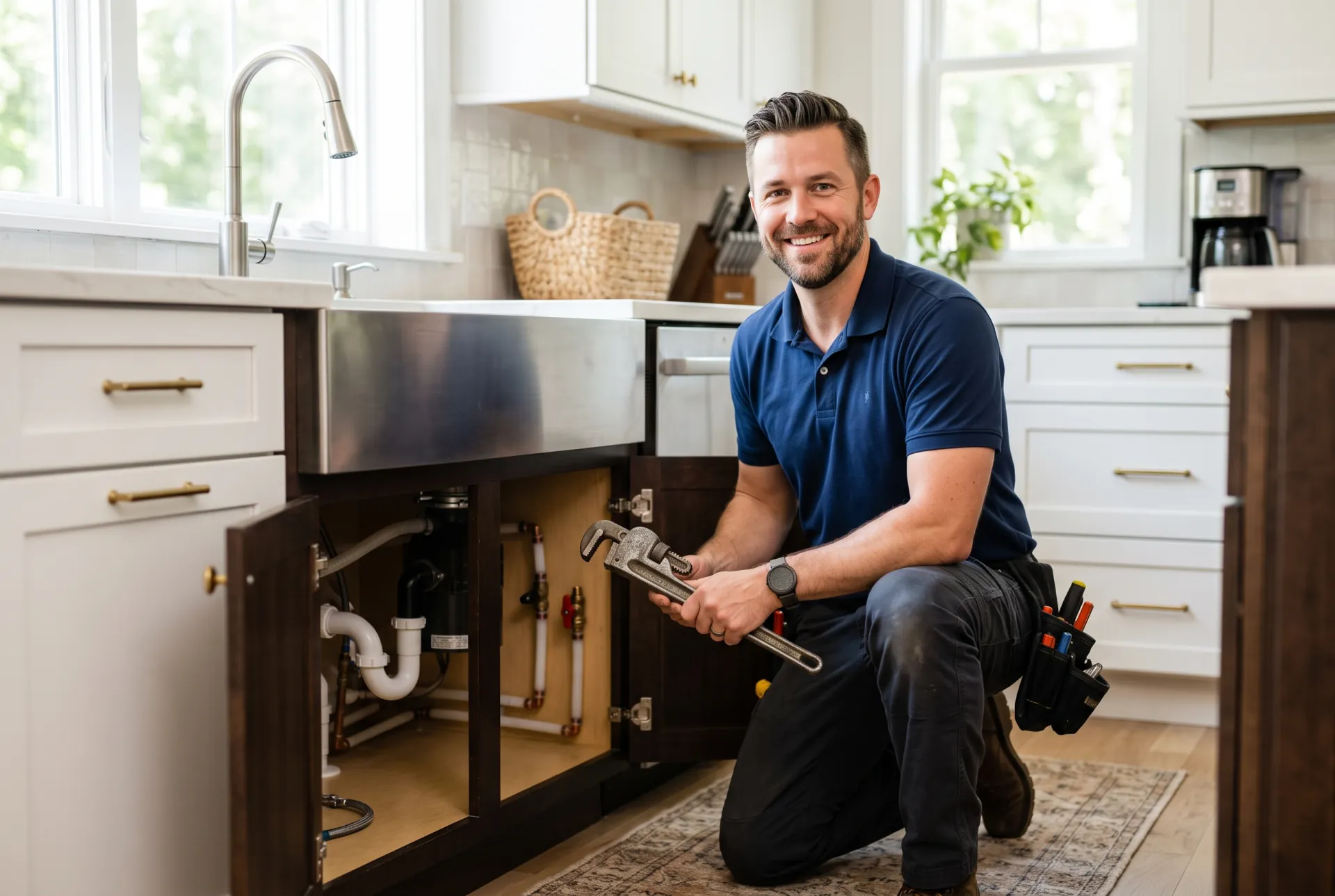
Typical jobs
11 kinds of work under remodel & new build
Bathroom remodel plumbing
Full rough-in and finish plumbing for bathroom renovations, coordinated with your other trades.
Kitchen remodel plumbing
Sink, dishwasher, disposal, pot filler and refrigerator line work for kitchen renovations.
Fixture relocation
Moving toilets, sinks, tubs and showers, including the drain and vent changes that actually make it work.
Shower pan and drain installation
Correctly sloped pans, drain assemblies and pre-tile leak testing.
Walk-in tub installation
Accessible tub installation including the supply, drain and blocking requirements.
Tub-to-shower conversion
Converting tubs to walk-in showers with revised drain and valve locations.
Wet bar and basement bathroom plumbing
Adding fixtures below grade, including ejector systems where gravity drainage is not available.
New construction rough-in
Complete under-slab and in-wall rough plumbing for new builds and additions.
ADA and accessibility fixtures
Compliant heights, clearances, grab-bar blocking and lever controls.
Outdoor kitchen and pool house plumbing
Supply and drainage for exterior kitchens, bars and pool houses, including freeze protection.
Permit and inspection coordination
Pulling permits and scheduling the rough and final inspections your project needs.
FAQ
Remodel & New Build: common questions
Can a toilet be moved a few feet?
Usually yes, but it is a drainage question rather than a preference one. Toilets need a specific drain slope and proper venting, and moving one on a slab means opening concrete. Ask the plumber what it takes before you commit to the layout.
Can a plumber work with my general contractor?
Yes, routinely. A plumber can be your GC's plumbing sub, or work directly for you alongside their trades. Either way, rough-in timing needs coordinating so the plumber is not the reason the tile setter is standing around.
When during a remodel should the plumber come?
Twice at minimum — rough-in after demolition and framing but before drywall and tile, and finish once surfaces are complete. Getting the rough-in wrong is the single most expensive mistake in a bathroom remodel, because correcting it means re-opening finished work.
Do I need a permit for a remodel?
If you are moving or adding fixtures, almost certainly. Like-for-like replacement in the same location often does not. Unpermitted plumbing alterations reliably surface during a sale, so ask the plumber to pull the permit rather than discovering the gap at closing.
Send a request
Request remodel & new build
Describe the problem and your request goes to independent local plumbers, who contact you directly if they can help. They set their own prices, so ask for the price in writing before you agree to any work.
Something leaking, blocked or not heating?
Send one request describing the problem. Independent local plumbers can contact you directly with their availability and price, and you choose whether to hire any of them.
Requests accepted any time · Plumbers set their own prices and timing