In this article
- Key Takeaways
- What determines the plumber cost to unclog a drain
- Typical drain unclogging prices by service
- How plumbers diagnose and clear a clogged drain
- Extra costs that can affect your final bill
- How to compare drain cleaning estimates
- Ways to prevent another expensive drain clog
- Further reading
- Conclusion
- Frequently Asked Questions
Key Takeaways
A clogged drain can be a small, local problem or an early warning of a larger sewer-line issue. Knowing what affects the price helps you respond quickly without agreeing to unclear work.
- A simple sink clog usually costs less than a deep or main-line blockage.
- Location, severity, access, labor, and timing all influence the final bill.
- Ask whether the diagnostic fee, equipment, labor, and cleanup are included.
- Camera inspections and hydro jetting can add cost but may clarify persistent problems.
- Choose a licensed, insured plumber who explains pricing before dispatch.
What determines the plumber cost to unclog a drain
The plumber cost to unclog drain problems depends less on the symptom than on what is behind it. A slow sink may need a short, straightforward clearing, while several backed-up fixtures can point to a deeper restriction. Your location also matters because labor rates and service fees vary from one market to another. Before you authorize work, ask what the plumber believes is blocked and how that conclusion affects the estimate.
Type and location of the blockage
A clog in a sink trap is generally easier to reach than one several feet into a branch drain. Hair, soap residue, grease, paper, mineral buildup, and foreign objects each call for a somewhat different approach. If water backs up in multiple fixtures at once, the blockage may be farther downstream, potentially in a main drain or sewer line.
A useful first step is to describe every affected fixture rather than reporting only the one that looks worst. That information can help the plumber bring the right equipment and give you a more realistic initial range.
Severity and accessibility of the clog
A partial blockage may clear quickly, but a complete obstruction can require repeated passes with an auger or additional inspection. Tight crawl spaces, finished walls, buried cleanouts, or an inaccessible outdoor line can also increase labor time. Older or altered plumbing may make access slower and more delicate.
The condition of the pipe matters too. A clog caused by ordinary buildup is a different job from a blockage associated with damaged, shifted, or heavily corroded piping. The first price is not always the final price when the initial clearing reveals a separate repair need.
Labor rates and service call fees
Many plumbers charge a trip, diagnostic, or minimum service fee before the clearing begins. Others use a flat rate for common clogs, while some bill hourly after arrival. Local wage levels, licensing requirements, insurance costs, and the time needed for travel all influence those figures.
For useful context, compare local guidance with this FTC consumer advice, but treat online ranges as planning information rather than a promise. Your address, plumbing layout, and the plumber’s inspection will determine the actual quote.
Time of day and emergency pricing
Evening, weekend, holiday, and same-day calls can cost more because fewer technicians are available and the service is being prioritized. That premium may be reasonable when sewage is rising, water is spreading, or a household cannot safely use essential fixtures. If the issue is only a slow drain, scheduling during ordinary business hours may reduce the total.
Pro US Plumbers connects homeowners with independent plumbers in their area. The plumbers you hear from are independent businesses, not employees or agents of ours, so confirm each one’s license and insurance yourself before you hire. The point is not to guess an exact number from a search result; it is to reduce surprises while you decide how urgently to proceed.
Typical drain unclogging prices by service
Drain-clearing prices vary widely by region, access, and the method required. A small fixture clog may fall in the low hundreds, while a main-line problem can move into several hundred dollars or more. The ranges below are planning benchmarks, not guaranteed quotes, and they exclude repairs that go beyond clearing the obstruction.
Sink and bathroom drain clearing
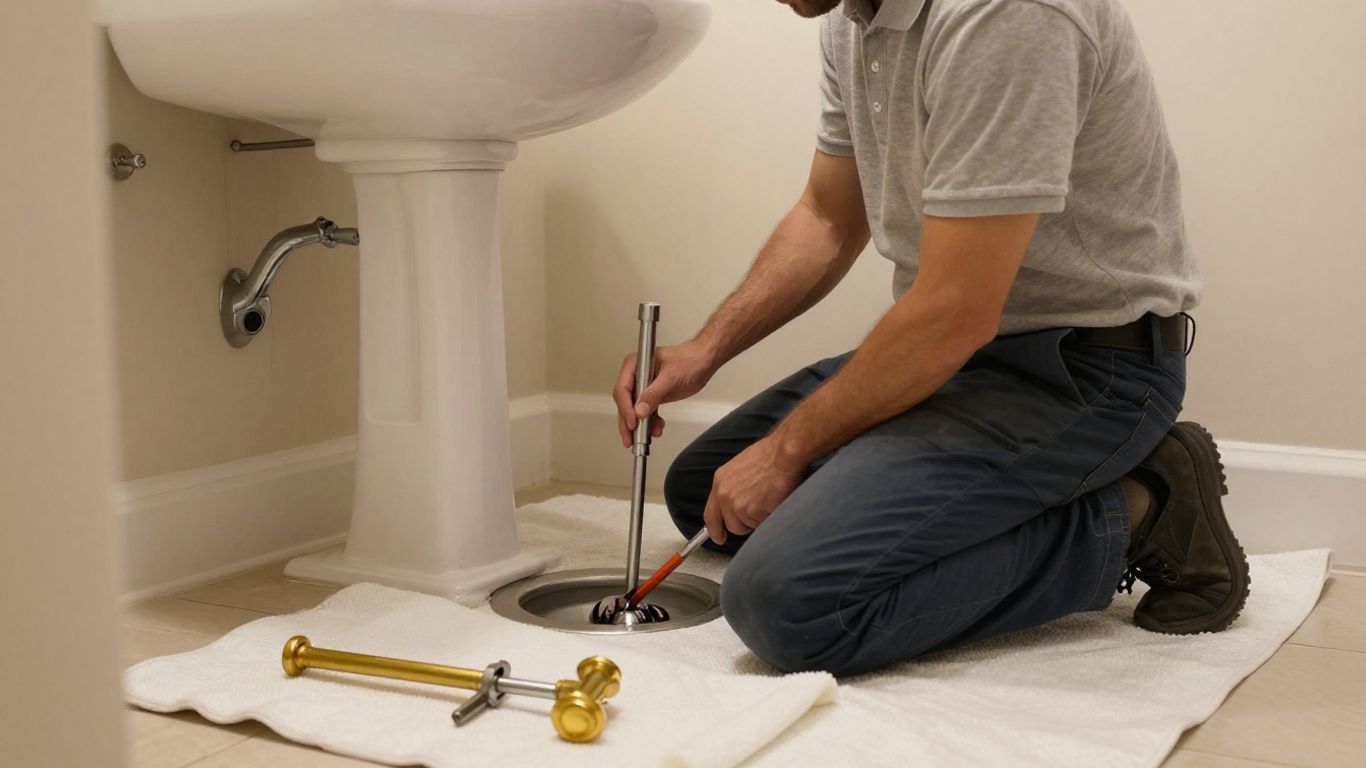
A kitchen sink, bathroom sink, or tub drain is often the least involved service when the blockage is close to the fixture. Hair, soap, food residue, and grease are common causes, but a recurring clog may signal buildup farther along the branch line. Ask whether the quoted service includes removing and replacing the trap, if that becomes necessary.
Toilet and shower drain unclogging
Toilet clearing can be simple when the obstruction is near the bowl, but an object lodged deeper in the line may take more time. A shower clog is commonly associated with hair and soap, although a shower that backs up whenever another fixture runs may be part of a larger drainage issue. The number of affected fixtures is often more informative than the fixture name alone.
Main sewer line cleaning
A main sewer line clearing generally costs more because the line is farther from the fixture and may require an exterior cleanout, longer cable, camera work, or specialized equipment. Repeated backups, several slow drains, gurgling toilets, or wastewater appearing in a lower-level fixture deserve prompt attention.
Some published local estimates place professional drain clearing anywhere from roughly $249 to $900 or more, with the midpoint varying by market. You can review this Better Business Bureau for another regional example, then ask a local plumber to explain how your property differs.
Hydro jetting and advanced drain services
Hydro jetting uses high-pressure water to clean buildup from suitable piping, but it is not automatically the right answer for every clog. A plumber may recommend it when ordinary snaking restores flow only temporarily or when substantial grease and scale remain on the pipe walls. The pipe’s material and condition should be assessed first.
A camera inspection, locating service, or specialized sewer equipment can add to the bill. Those expenses may be worthwhile when they prevent repeated visits or help distinguish a cleanable blockage from a pipe that needs repair.
How plumbers diagnose and clear a clogged drain
A professional visit should begin with questions and observation, not an automatic equipment choice. The plumber needs to understand when the problem started, which fixtures are affected, and whether earlier attempts changed the symptoms. That assessment helps separate a local clog from a system-wide drainage problem.
Initial inspection and problem assessment
The plumber may test nearby fixtures, inspect visible connections, check cleanouts, and ask about recent plumbing work. You can help by explaining whether the water drains slowly, stops completely, returns after a few minutes, or appears elsewhere. Clear details often save time on site.
A good assessment also identifies immediate risks. If contaminated water is present, keep people and pets away from it and avoid repeatedly flushing or running fixtures until the cause is clearer.
Manual snaking and auger cleaning
A hand auger or powered drain machine can break through or retrieve many ordinary obstructions. The tool must match the pipe and the location of the blockage, and careless use can damage fragile piping or push an object farther down the line. After clearing, the plumber should test flow rather than assuming the first opening means the problem is solved.
Ask whether the service is intended as a one-time opening or a more thorough cleaning. Those are not always the same job, especially when buildup has accumulated along the pipe walls.
When plumbers use drain cameras
A drain camera is useful when the clog is deep, recurring, or difficult to locate. It can help reveal roots, breaks, severe buildup, misaligned sections, or an object that an auger cannot remove. It may also prevent you from paying for repeated attempts based only on guesswork.
Camera work is an added service in many estimates, so ask whether the fee includes locating the problem and sharing what was found. You do not need a camera for every slow sink, but persistent or multi-fixture problems justify a closer look.
When hydro jetting is the better option
Hydro jetting may be appropriate when grease, sludge, mineral scale, or other buildup remains after a basic clearing. It cleans more of the pipe’s interior than a single pass with a cable, which can make sense for recurring commercial or residential line problems. It should be selected after the plumber considers pipe condition and access.
The goal is a durable remedy, not the most powerful-sounding service. If the pipe is cracked or structurally compromised, high-pressure cleaning will not substitute for a repair.
Extra costs that can affect your final bill
Clearing a clog and repairing the plumbing are separate scopes of work. A plumber may discover a damaged trap, root intrusion, or collapsed section only after restoring enough access to inspect the line. You should receive a clear explanation before additional work begins, especially if the original visit was quoted for a basic clearing.
Replacing damaged pipes or traps
A cracked or leaking trap can cause odors, water damage, and repeated drainage trouble even after the clog is removed. Replacing a visible trap is usually more contained than opening a wall or floor to reach concealed piping. The estimate should identify the part, labor, access work, and testing involved.
Do not assume that replacing a component is included in a drain-cleaning flat rate. Ask where the original service ends and the repair estimate begins.
Removing roots from a sewer line
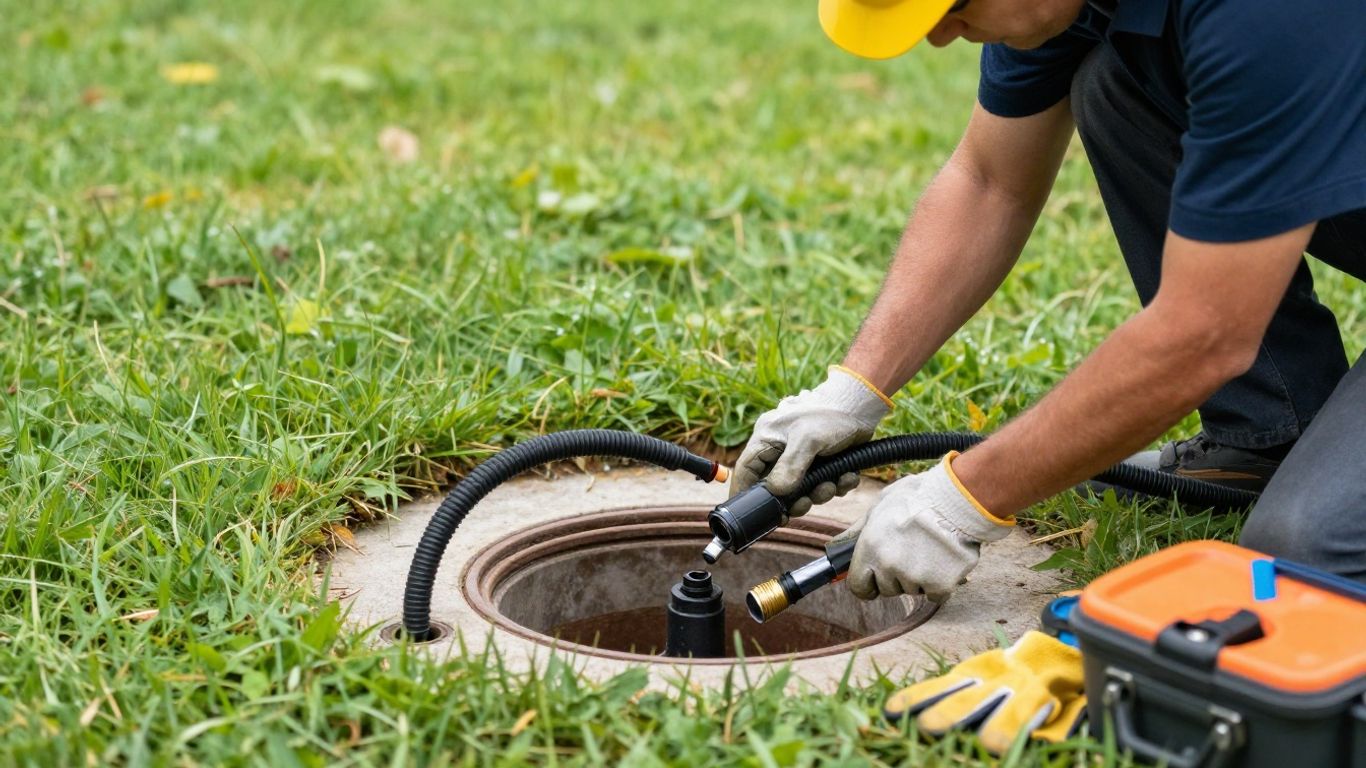
Tree roots can enter small openings in sewer piping and create recurring restrictions. Cutting the roots may restore flow temporarily, but lasting work may require repairing or replacing the affected section. A camera inspection can help show whether roots are present and how extensive the intrusion appears.
Root-related work often requires different equipment and more time than a fixture clog. That is why an unusually low initial clearing price may not reflect the full project.
Repairing collapsed or corroded piping
A collapsed, offset, or heavily corroded pipe can prevent normal drainage even after debris is removed. Depending on its location, repair may involve excavation, wall or floor access, replacement sections, or trenchless methods. Those are major cost drivers, so ask for the findings in plain language and, where available, visual documentation.
If the plumber recommends replacement immediately, you can ask whether a camera inspection or second opinion is appropriate. A legitimate professional should be able to explain the evidence behind the recommendation.
Permits, cleanup, and follow-up visits
Some repairs require permits, inspections, disposal, restoration, or a return visit. Cleanup may be basic removal of work debris, or it may involve contaminated water and damaged finishes. Clarify who handles each part before the work starts.
The final invoice should distinguish the original drain clearing from added services. That separation makes it easier to compare estimates and understand what you are paying for.
How to compare drain cleaning estimates
Comparing only the headline price can lead you toward an incomplete quote. Two plumbers may be pricing different scopes, using different assumptions about access, or including different follow-up services. A fair comparison starts with the same description of the problem and a written explanation of what happens next.
Questions to ask before hiring a plumber
Ask how the plumber plans to diagnose the blockage, what fee applies if no clog is found, and whether the first price includes testing the line afterward. You should also ask about licensing, insurance, arrival timing, and whether the person dispatched is the person who will perform the work.
These questions are especially useful when you need service quickly:
- Is there a trip, diagnostic, or after-hours fee?
- Is the quote flat rate, hourly, or a combination?
- What equipment and number of attempts are included?
- What work requires your approval before the price changes?
The answers give you a better basis for choosing than a low number without context. They also reveal whether the plumber communicates clearly under pressure.
Flat-rate versus hourly pricing
A flat rate can make a common job easier to budget because the labor scope is defined in advance. Hourly pricing may be more suitable when the problem is uncertain or likely to require investigation. Neither structure is automatically cheaper; the details of included time, equipment, and materials matter more.
Ask whether hourly billing begins on arrival, when diagnosis starts, or when equipment is brought inside. If travel, setup, or disposal is billed separately, that should be stated before work begins.
What a written estimate should include
A useful estimate names the affected drain or line, the proposed method, the service fee, labor basis, equipment charges, taxes, and any exclusions. It should also state what happens if the plumber finds damaged piping instead of a simple blockage. This level of detail gives you something concrete to approve.
For another perspective on common repair pricing and hourly charges, review this EPA septic system care and maintenance. Online data can help you form questions, but it cannot replace a property-specific estimate.
Warning signs of unusually low quotes
A quote may be incomplete if it omits the trip fee, limits the number of clearing attempts, excludes equipment, or assumes easy access without asking about your home. Pressure to approve expensive work without an explanation is another concern. So is a price that changes dramatically as soon as the plumber arrives, with no new finding to justify it.
A transparent provider should explain both the likely cost and the conditions that could change it. Pro US Plumbers is a referral service: it puts your request in front of independent plumbers who work nearby.
Ways to prevent another expensive drain clog
Prevention begins with keeping inappropriate material out of the plumbing and paying attention to small changes in flow. No household can prevent every blockage, particularly in an older system, but simple habits can reduce avoidable service calls. Recurring symptoms deserve investigation rather than repeated chemical or mechanical quick fixes.
What should and should not go down a drain
Kitchen drains are not designed to handle cooking grease, fibrous food scraps, coffee grounds, or large quantities of starchy waste. Bathroom drains collect less visible debris, but hair and thick products can still build up. Toilets should receive human waste and toilet paper only.
Use strainers where they fit, scrape plates into the trash or compost as appropriate, and collect cooking oil for disposal rather than rinsing it away. These small changes reduce the material available to form a blockage.
Safe maintenance methods for household drains
Regularly clean removable sink strainers and hair catchers, wipe grease from cookware before washing, and flush fixtures with ordinary hot water when appropriate for the plumbing. Do not force tools into a drain if you are unsure what lies below the opening. Gentle maintenance is preferable to damaging a fitting while trying to prevent a clog.
If one fixture repeatedly slows down, note when it happens and whether other drains respond at the same time. That pattern can help a professional diagnose the cause more efficiently.
When chemical drain cleaners can cause damage
Chemical cleaners can be hazardous to people and plumbing, particularly when mixed with another product or left sitting in a blocked line. They may not remove the underlying buildup, and residual chemicals can create a safety risk for anyone who later opens the trap or uses a cable.
Follow product directions if you use any household treatment, and tell the plumber exactly what was used. For a complete blockage, mechanical diagnosis is often safer than repeatedly adding chemicals that cannot pass through the obstruction.
Signs that you need professional maintenance
Call a professional when clogs recur, several fixtures drain slowly, foul odors persist, or toilets gurgle when sinks or tubs run. Water backing up through a floor drain or appearing in a lower level is more urgent. Those signs can indicate a restriction farther into the system rather than a simple fixture issue.
Prompt attention may limit water damage and give you more repair options. If you are facing an active backup, choose a licensed, insured plumber and ask for the expected arrival time and price range before dispatch.
Related articles
How to unclog a bathtub drain: A step-by-step guide for fast, safe results and Is Drano bad for pipes? What homeowners should know before using it cover other plumbing questions you may run into.
Further reading
For more background, see the International Code Council and the IAPMO, which publishes the Uniform Plumbing Code. It is also worth reading the InterNACHI and the American Society of Home Inspectors. You can find more detail from the EPA Safer Choice, for lower-hazard cleaning products.
If you would rather not sort this out alone, Drain cleaning and sewer services and independent local plumbers in your area can contact you directly.
Septic system services and Pricing guide: how plumbers charge and how to get a fair written quote may also be useful before you decide.
Request form: describe the problem so independent local plumbers can contact you and Where requests can be sent from: states and metros may also be useful before you decide.
About: how this referral service works and All plumbing service lines may also be useful before you decide.
Home: request a local plumber may also be useful before you decide.
Conclusion
The cost to unclog a drain is shaped by the blockage, access, urgency, method, and condition of the piping—not just by the fixture that first showed the problem. Get the scope and fees in writing, ask what could change the estimate, and choose a professional who explains the process before work begins. That approach helps you deal with an unpleasant surprise without turning it into a pricing surprise too.
Frequently Asked Questions
How much does it usually cost to unclog a drain?
A simple fixture clog may cost a few hundred dollars or less in some markets, while deep, recurring, or main-line problems can cost substantially more. Local labor, access, timing, equipment, and repairs discovered during the visit determine the actual price.
What is usually included in a drain-cleaning quote?
A quote may include the service call, diagnosis, labor, a specified clearing method, and basic testing. Ask whether equipment, disposal, camera inspection, after-hours charges, taxes, and follow-up visits are included or billed separately.
Is a slow drain an emergency?
A single slow drain is usually less urgent than sewage backing up or several fixtures failing at once. However, recurring slowness, foul odors, gurgling, or water appearing in an unexpected fixture should be assessed before the problem worsens.
Should you try to unclog a drain yourself?
You can safely remove a visible hair buildup or clean a removable strainer in some situations. Avoid forcing tools into unknown piping or mixing chemical products, and call a professional when the clog is complete, recurring, deep, or affecting multiple fixtures.
When is hydro jetting needed?
Hydro jetting may be considered when heavy buildup causes recurring restrictions and the pipe is suitable for high-pressure cleaning. A plumber should evaluate the pipe’s condition first because jetting cannot repair a collapsed, cracked, or badly corroded line.
Does a camera inspection increase the cost?
Often, yes. Camera work is an additional diagnostic service, but it can help locate roots, breaks, severe buildup, or other conditions that a basic auger cannot identify. Ask whether locating and recording the findings are included.
How can you avoid surprise plumbing charges?
Ask for the trip fee, diagnostic charge, pricing structure, included work, arrival window, and approval process before dispatch. Request a written estimate and make sure any added repair is explained and separately authorized before it begins.