Plumber for low water pressure: Causes, diagnosis, and when to call a pro
Pro US Plumbers ·
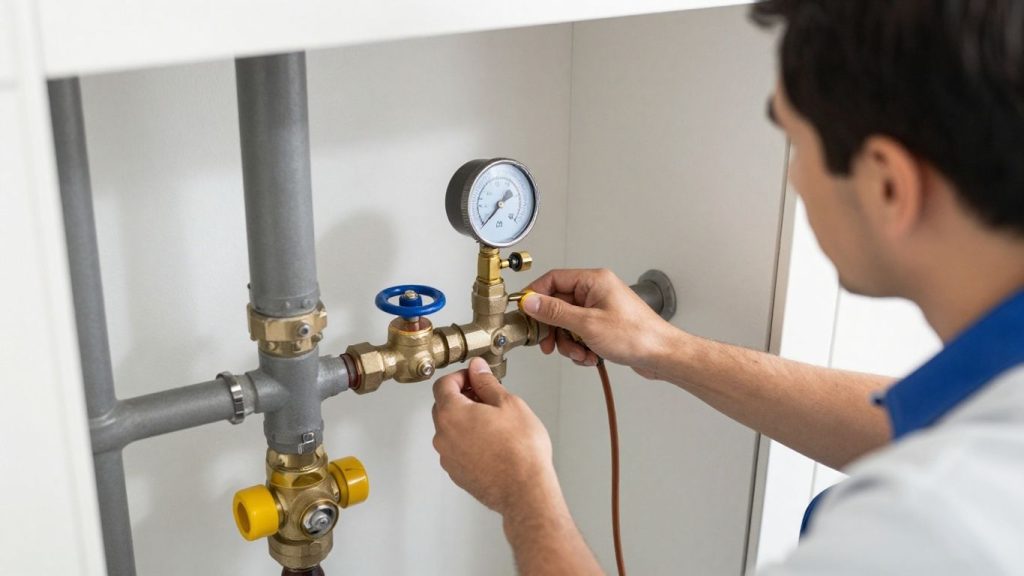
In this article
- Key Takeaways
- How to identify the type of low water pressure problem
- Common causes of low water pressure
- How a plumber diagnoses low water pressure
- Safe checks homeowners can perform first
- When to hire a plumber for low water pressure
- Professional solutions for restoring water pressure
- How to prevent recurring water pressure problems
- Further reading
- Conclusion
- Frequently Asked Questions
Key Takeaways
Low water pressure can come from a fixture, a valve, the supply line, or a hidden leak. A few safe checks may narrow it down, but widespread or worsening pressure loss deserves professional attention.
- Test more than one fixture to see whether the problem is local or widespread.
- Check accessible valves, aerators, showerheads, and visible plumbing first.
- Compare static and flowing pressure rather than relying only on how the water feels.
- Treat discolored water, pipe noise, and sudden pressure loss as warning signs.
- Ask about timing, licensing, diagnostic fees, and pricing before a plumber arrives.
How to identify the type of low water pressure problem
Before you reach for a wrench or schedule a service call, determine how broadly the problem appears. A weak shower alone points in a different direction than weak flow at every sink, toilet, and outdoor faucet. Paying attention to when the pressure changes can also separate a fixture problem from a supply problem.
Signs the issue affects the entire house
Open two or three fixtures in different parts of the home and compare them. If each one produces a weak stream, the trouble may involve the main shutoff valve, pressure regulator, incoming supply, or a leak rather than one clogged outlet. Ask nearby neighbors whether they have noticed the same change, since a water-main issue can affect multiple properties.
A whole-house problem may also show up as a toilet tank that fills slowly, a washing machine that takes longer to draw water, and an outdoor spigot that feels unusually weak. Write down when you first noticed it and whether it followed maintenance, construction, or a water outage.
Clues that point to a single fixture
If only one faucet or shower performs poorly, start at that fixture. Sediment can block an aerator, mineral deposits can narrow a showerhead, and a worn cartridge or local shutoff valve can restrict water before it reaches the outlet. Compare hot and cold water as well; poor flow on only one side can point to a fixture-specific restriction.
Remove and clean an aerator only if you can do so without forcing it. A small amount of debris there can create a dramatic change in flow, while normal pressure elsewhere suggests that the main plumbing system is probably not the immediate concern.
How pressure changes during peak usage
Notice whether the stream weakens when someone showers while a dishwasher runs or an irrigation system starts. Pressure that falls mainly during simultaneous use may reflect limited supply capacity, a partially open valve, or a restriction in the service line. Older homes and properties with long or undersized supply runs can be especially sensitive to demand.
Keep a simple record for a day or two rather than judging from one brief episode. The pattern helps a plumber decide whether to test the home’s static pressure, flowing pressure, or both.
The difference between low pressure and low flow
Pressure describes the force available in the system; flow describes how much water actually reaches the fixture over time. A clogged screen may leave the system pressure normal while reducing flow at one outlet. Conversely, low pressure at the main supply can affect every fixture, even when the outlets themselves are clean.
That distinction matters because replacing a showerhead will not correct a failing regulator or a damaged service line. A useful EPA WaterSense showerhead information can help you organize observations before deciding whether the issue needs a plumber.
Common causes of low water pressure
Low pressure rarely has one universal cause. You may be dealing with a simple valve position, buildup inside a fixture, a regulator that no longer controls pressure correctly, or plumbing that has deteriorated over many years. The location and timing of the symptoms usually provide the first useful clues.
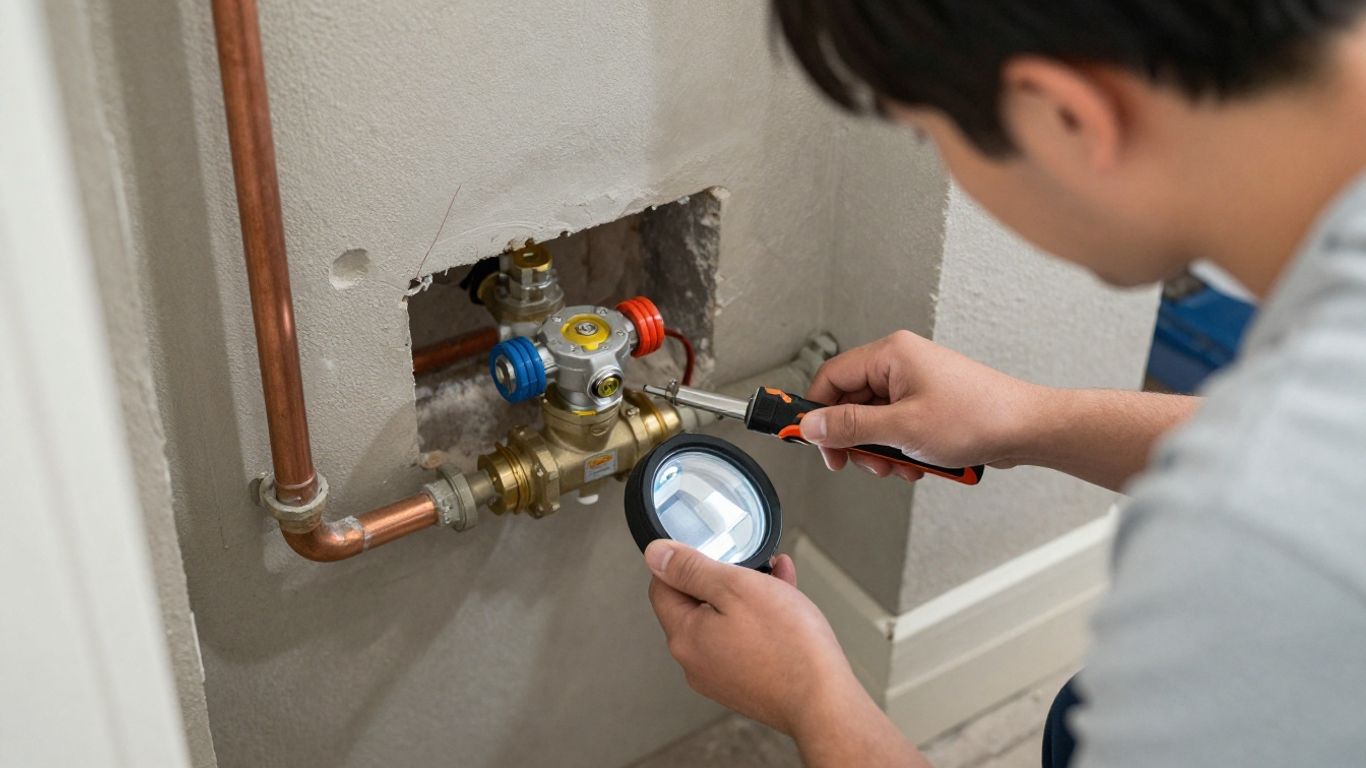
Partially closed main shutoff valves
A main shutoff valve may be near the water meter, where the supply enters the property, or inside the home. If it was left partly closed after prior work, the restriction can affect every fixture. Some older gate valves also deteriorate internally, so the handle may turn without fully opening the passage.
Do not force a stuck valve. A broken stem or damaged packing can turn a pressure complaint into an active leak, particularly on an old valve that has not moved for years.
Clogged faucet aerators and showerheads
Small screens at fixture outlets catch grit and mineral particles before they reach the stream. Over time, that material reduces the opening and makes the water feel weak even though the rest of the house is operating normally. Cleaning or replacing a removable screen is often a reasonable first step.
Run water briefly into a bucket after cleaning so loose debris does not immediately settle back into the fixture. If the restriction returns quickly, the source may be sediment in the supply or corrosion inside the plumbing.
Failing pressure regulators
A pressure regulator reduces incoming pressure to a level the home’s plumbing can handle. When it begins to fail, you may see unstable pressure, weak flow, or unusual changes when fixtures turn on and off. Adjustment or replacement should generally be handled by a qualified plumber because the component is part of the home’s main water supply.
Very high pressure is also a concern, even if your immediate complaint is low pressure at one fixture. A hose-bib gauge can reveal whether the system needs a professional assessment rather than a quick fixture repair.
Leaking, corroded, or undersized pipes
A hidden leak can divert water before it reaches your fixtures, while corrosion and mineral buildup can narrow the inside of aging pipes. You might notice damp cabinets, staining, an unexplained increase in water use, or a meter that continues moving when all fixtures are off. In severe cases, pipe damage can create both pressure loss and property damage.
Pipe size and layout matter as well. A long, restricted, or undersized run may supply one part of the home poorly, especially when several fixtures operate together. Avoid opening walls or excavating on your own; a plumber can locate the restriction with less unnecessary disruption.
How a plumber diagnoses low water pressure
A professional diagnosis starts with measurements and follows the water path from the supply to the affected fixture. The plumber will usually ask when the issue began, whether it affects hot and cold water, and what happens when several outlets run at once. That history keeps the inspection focused instead of relying on guesswork.
Testing static and flowing pressure
A plumber may connect a pressure gauge to a hose bib and record the pressure with no fixtures running. They may then repeat the test while water is flowing to see how sharply the reading drops. The comparison can reveal a supply limitation, a restriction, or a regulator that is not responding properly.
The plumber also compares readings at different points when practical. A large difference between the main supply and a downstream fixture suggests that the problem lies somewhere between those locations.
| Observation | What it may suggest | Typical next step |
|---|---|---|
| Low pressure at several fixtures | Main supply, valve, regulator, or leak issue | Test the incoming line and main components |
| Normal pressure with weak flow at one outlet | Clogged aerator, showerhead, or local valve | Clean or inspect the fixture |
| Pressure drops sharply during use | Restriction or limited supply capacity | Test flowing pressure and inspect the service line |
| Pressure changes without fixture use | Regulator trouble or hidden leak | Check the regulator and investigate the plumbing |
These readings do not identify the repair by themselves, but they give the plumber a reliable starting point. Measured pressure tells a clearer story than a general description such as “the shower feels weak.”
Inspecting the main water supply
The inspection may begin at the water meter, main shutoff, pressure regulator, filter, or point where the supply enters the building. The plumber looks for restricted valves, damaged fittings, corrosion, and signs that recent work changed the system. If neighbors report similar symptoms, you may also need to contact the water supplier before authorizing work inside the home.
A useful EPA on how households use water can help you distinguish a whole-house issue from a single-fixture issue, but it cannot replace an on-site assessment when the cause is unclear.
Checking valves, regulators, and filters
Filters and softener equipment can restrict flow when they are clogged, incorrectly bypassed, or overdue for service. A plumber checks these components along with shutoff valves and the pressure regulator, taking care not to adjust equipment blindly. An incorrect adjustment can create excessive pressure and damage fixtures or connections.
The diagnosis should also account for equipment that serves only part of the property. If a filtered line supplies the kitchen but not the bathroom, the pattern of affected fixtures can point directly to that branch.
Looking for hidden leaks and pipe damage
When pressure loss is widespread or unexplained, the plumber may inspect exposed piping, meter movement, crawl spaces, utility rooms, and areas beneath sinks. They may use specialized leak-detection methods when the likely leak is behind a wall, below a slab, or underground. Water stains and musty odors are helpful clues, but a leak can exist without visible damage.
If the inspection finds corroded or damaged pipe, ask what portion needs repair, how access will be created, and whether temporary water service will be available. Clear answers make the scope and cost easier to understand before work starts.
Safe checks homeowners can perform first
You can often gather useful information without dismantling plumbing or making adjustments under pressure. Keep the checks limited to accessible fixtures and visible components, and stop if a valve is stuck, a connection begins to drip, or water appears near electrical equipment. The goal is to narrow the symptoms, not to force a repair.
Confirming the main shutoff valve is fully open
Find the main shutoff and look at its position without forcing it. A lever-style valve is generally open when the handle lines up with the pipe, while a wheel-style valve usually opens counterclockwise, but older installations vary. If the valve is corroded, loose, or difficult to turn, leave it alone and tell the plumber what you observed.
Also check that an accessible fixture shutoff has not been partly closed. After any safe visual check, open one cold-water faucet slowly and watch for leaks around the valve and nearby joints.
Cleaning faucet aerators and showerheads
Unscrew a removable aerator or showerhead by hand or with a protected wrench, then rinse away visible sediment. Soaking a mineral-coated part can help loosen deposits, but replace it if the screen is damaged or cannot be cleaned. Run the fixture briefly after reinstalling it and compare the stream with another outlet.
Do not assume that cleaning one fixture solves a whole-house problem. If several outlets remain weak, the restriction is probably farther upstream.
Checking for visible leaks
Look beneath sinks, around the water heater, near the washing machine, and along exposed basement or crawl-space piping. Watch for droplets, damp insulation, discoloration, or a sound of water running when all fixtures are closed. If you find an active leak, close the main valve only if it operates normally and you can do so safely.
A short checklist can keep the inspection orderly:
- Test a cold-water faucet and a hot-water faucet.
- Compare a bathroom fixture with an outdoor hose bib.
- Listen for water flow when every fixture is off.
- Photograph damp areas or damaged fittings for the plumber.
These observations give a professional a better starting point and may prevent an unnecessary fixture replacement. They also help you explain whether the pressure problem is constant, intermittent, or tied to a particular area.
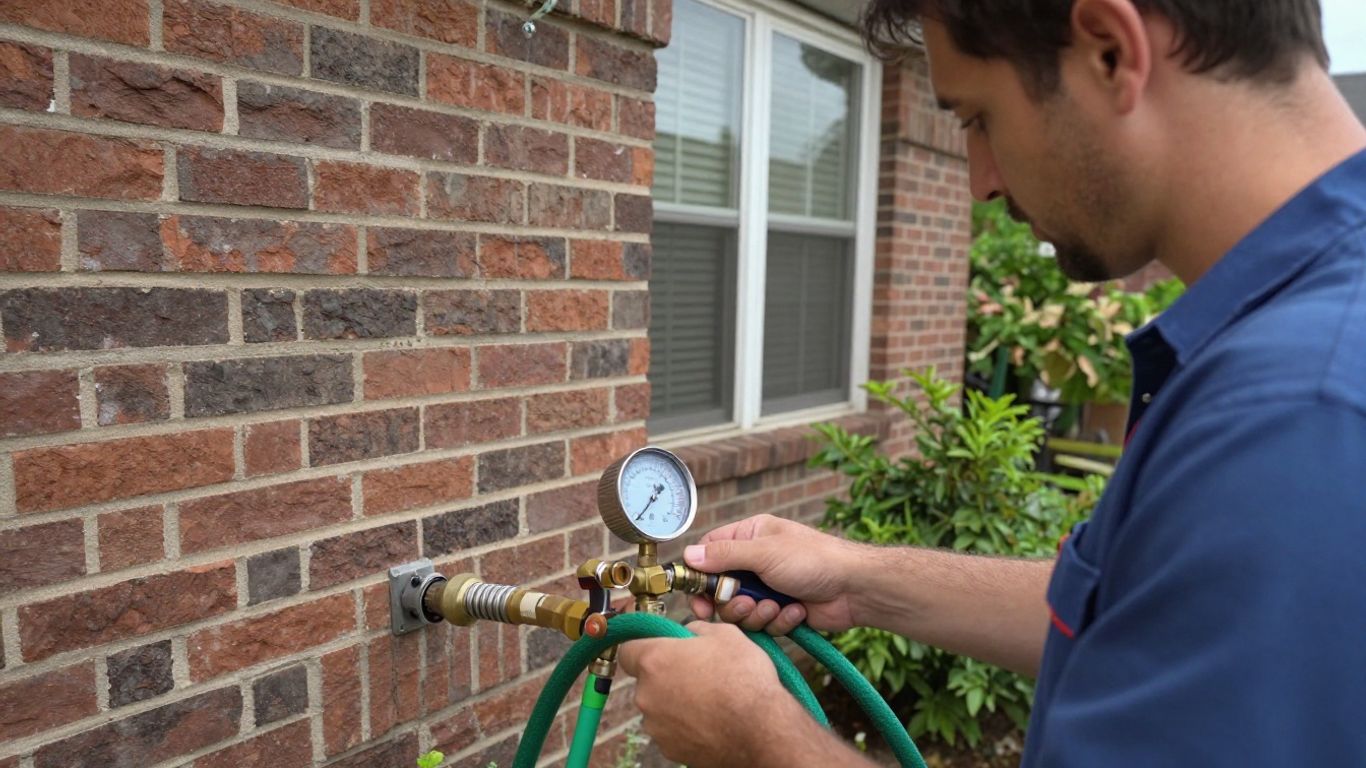
Reviewing pressure readings with a hose bib gauge
A screw-on hose-bib pressure gauge can provide a useful reading at an outdoor faucet or laundry connection. Take one reading with no water running, then note what happens when a nearby fixture opens. Keep the gauge steady and record the time, location, and conditions rather than treating one number as a complete diagnosis.
Many residential systems are commonly evaluated within a broad pressure range, but the appropriate reading depends on the property and local requirements. If the result is unusually low, unusually high, or unstable, share it with a plumber instead of adjusting the regulator yourself.
When to hire a plumber for low water pressure
A plumber is the right next step when the pressure loss is sudden, widespread, persistent, or accompanied by other signs of plumbing damage. Delaying service can allow a hidden leak or failing pipe to damage walls, floors, cabinets, or personal property. If you are comparing options, look for a licensed and insured professional and ask what the diagnostic or trip fee includes.
Sudden pressure loss throughout the home
A sudden drop at every fixture deserves prompt attention, especially if it follows a loud pipe noise, nearby construction, freezing weather, or a water outage. First confirm that no one has closed the main valve and ask whether neighbors are experiencing the same issue. If the change is isolated to your property, an inspection can identify a failed component or leak.
Pro US Plumbers connects homeowners with independent plumbers in their area. The plumbers you hear from are independent businesses, not employees or agents of ours, so confirm each one’s license and insurance yourself before you hire. Ask for an honest time estimate before scheduling rather than relying on a vague promise that someone will arrive soon.
Water pressure below recommended levels
A gauge reading that stays unusually low under normal conditions may indicate a supply limitation, restriction, leak, or regulator problem. The reading should be interpreted alongside the home’s layout and fixture performance, not in isolation. A plumber can confirm whether the pressure is actually inadequate and explain which repair options are realistic.
If the pressure is high rather than low, do not ignore it. Excessive pressure can stress fixtures and connections, so a EPA's Fix a Leak Week guidance may help you understand why measurement and professional evaluation matter.
Discolored water, pipe noise, or frequent leaks
Brown, yellow, or cloudy water can indicate disturbance in the supply or corrosion inside the plumbing. Banging, whistling, or repeated dripping may point to loose fittings, air, high pressure, or damaged components. When these signs appear with weak flow, a quick aerator cleaning is not enough to rule out a larger problem.
Turn off the affected fixture if possible and protect nearby belongings from water. If there is active leaking, prioritize stopping the water safely and contacting a plumber.
Problems that persist after basic checks
If you have opened the main valve, cleaned the fixture, checked for visible leaks, and still have poor pressure, stop escalating the DIY work. The remaining cause may be inside a wall, below the property, or within a regulator or supply line. Continuing to disassemble parts can make the final diagnosis harder and create avoidable damage.
Pro US Plumbers is a referral service: it puts your request in front of independent plumbers who work nearby. That information is especially valuable when the repair may involve opening finishes or replacing a section of pipe.
Professional solutions for restoring water pressure
The correct repair depends on what the measurements and inspection reveal. A reputable plumber should explain the cause, the proposed scope, the expected timing, and the price or pricing range before work begins. You should also know whether the repair is temporary, permanent, or part of a larger replacement plan.
Repairing or replacing a pressure regulator
A regulator that is stuck, worn, or incorrectly adjusted may need service or replacement. The plumber will confirm the incoming and downstream readings before deciding whether adjustment is appropriate. If replacement is necessary, ask where the new component will be installed and how the system will be tested afterward.
A regulator is not a cure for every low-pressure complaint. If the incoming supply is already weak or a pipe is blocked, replacing the regulator alone may not restore the expected flow.
Clearing blocked pipes and supply lines
A localized blockage may be cleared at a fixture, filter, or accessible section of pipe. Heavier mineral buildup or sediment inside older plumbing can require more extensive work, and in some cases replacement is more dependable than repeated cleaning. The plumber should explain what caused the restriction and how likely it is to return.
Ask whether water service will be interrupted and whether the work requires access behind walls, beneath floors, or near landscaping. Those details affect both timing and total cost.
Repairing leaks and damaged plumbing
A leak repair may involve replacing a fitting, repairing a branch line, or renewing a section of the main supply. Hidden leaks often require careful access planning so the plumber can reach the damaged pipe while limiting unnecessary removal of finishes. After the repair, the system should be retested for pressure and continued leakage.
If corrosion is extensive, patching one point may only postpone another failure. Request an explanation of the pipe’s condition and whether a phased replacement would make sense for your property.
Installing a booster pump or pressure tank
Some properties need additional equipment when the available supply cannot meet normal demand, particularly in certain private-water or multi-level systems. A booster pump or pressure tank is not a universal fix and should follow a proper evaluation of the incoming pressure, plumbing design, and local requirements.
The installer should explain equipment placement, electrical needs, maintenance, noise, and what happens during a power interruption. A written scope helps you compare the equipment solution with a supply-line repair or pipe replacement.
How to prevent recurring water pressure problems
Once pressure is restored, a little follow-up can help you catch a developing issue before it becomes an emergency. Keep notes about the repair, the component replaced, and the pressure reading afterward. Routine attention is particularly useful in older homes, properties with filters or treatment equipment, and buildings with a history of leaks.
Scheduling plumbing inspections
An inspection can identify aging valves, exposed corrosion, loose connections, and conditions that are likely to restrict flow later. You do not necessarily need a major service visit every time pressure changes slightly, but recurring symptoms deserve a closer look. Landlords and property managers can benefit from documenting pressure complaints by unit and date.
A plumber can also tell you which parts of the system are accessible for monitoring and which warning signs should prompt an immediate call.
Replacing aging or corroded pipes
If the inside of a pipe is heavily narrowed or the material is failing, repeated small repairs may not be the most economical long-term choice. A plumber can assess whether a partial replacement, targeted repipe, or broader project fits the condition of the system. Ask for the reason behind the recommendation rather than focusing only on the lowest initial price.
Plan access and restoration costs along with the plumbing work. A transparent scope should identify the pipe sections involved, expected interruptions, permits where applicable, and cleanup responsibilities.
Maintaining filters, valves, and fixtures
Replace or clean filters according to their service requirements, and keep aerators and showerheads free of buildup. Do not force valves that have become stiff; a small service issue can become a broken valve or leak. Check under sinks and around appliances periodically so a slow drip does not go unnoticed.
If your water has recurring sediment, ask a plumber whether the source is the incoming supply, treatment equipment, or aging internal piping. Fixing the source is more useful than repeatedly cleaning the same fixture.
Monitoring pressure after repairs
Take a new gauge reading after a repair and compare it with the plumber’s recorded result. Run more than one fixture and listen for new noises, sudden drops, or cycling equipment. A short observation period can confirm that the repair addressed the cause rather than only improving one symptom.
Pro US Plumbers can put your job in front of independent plumbers locally. Keeping those details with your repair records makes future service easier to arrange and easier to evaluate.
Related articles
How often should a sump pump run? A guide to normal cycles, warning signs, and fixes and Under slab leak detection: How to find, confirm, and address leaks beneath concrete cover other plumbing questions you may run into.
Further reading
For more background, see the USGS on how much water a home uses each day and the EPA on reducing lead exposure at home. It is also worth reading the International Code Council and the IAPMO, which publishes the Uniform Plumbing Code. You can find more detail from the FTC consumer advice.
If you would rather not sort this out alone, Repiping and water line services and independent local plumbers in your area can contact you directly.
Fixtures and appliance plumbing (faucets, showers, disposals) and Water filtration and softeners may also be useful before you decide.
Pricing guide: how plumbers charge and how to get a fair written quote and Request form: describe the problem so independent local plumbers can contact you may also be useful before you decide.
Where requests can be sent from: states and metros and About: how this referral service works may also be useful before you decide.
All plumbing service lines may also be useful before you decide.
Conclusion
Low water pressure is easier to solve when you first identify whether the issue affects one fixture or the entire home, then confirm the pattern with safe checks and measured readings. Clean simple fixtures when appropriate, but call a licensed plumber for sudden widespread loss, hidden leaks, damaged pipes, or pressure that remains unstable. Clear pricing and a defined process can make the next step less stressful.
Frequently Asked Questions
What is the first thing to check when water pressure is low?
Check whether the problem affects one fixture or several, then look at the accessible main shutoff valve and the affected fixture’s aerator or showerhead. Do not force a stuck valve.
Why is my water pressure low in the whole house?
Possible causes include a partially closed or damaged main valve, a failing pressure regulator, a supply-line restriction, a hidden leak, aging pipes, or a problem with the outside water supply.
Can a clogged aerator cause low water pressure?
A clogged aerator can greatly reduce flow at one faucet and make the pressure feel low there. If multiple fixtures are affected, the cause is probably farther upstream.
How can I tell whether I have a water leak?
Look for damp areas, staining, dripping connections, unexplained water use, or a meter that moves while every fixture is closed. Some leaks are hidden and require professional detection.
Is it safe to adjust a pressure regulator myself?
It is safer to have a qualified plumber test the system before adjusting a regulator. Incorrect settings can create excessive pressure and damage fixtures or plumbing connections.
When should low water pressure be treated as an emergency?
Seek prompt help when the loss is sudden and widespread, or when it occurs with active leaking, discolored water, loud pipe noise, flooding, or signs of structural water damage.
Will a booster pump fix every low-pressure problem?
No. A booster pump may help in some systems after proper evaluation, but it will not correct a clogged fixture, hidden leak, failing regulator, or severely damaged pipe on its own.