How often should a sump pump run? A guide to normal cycles, warning signs, and fixes
Pro US Plumbers ·
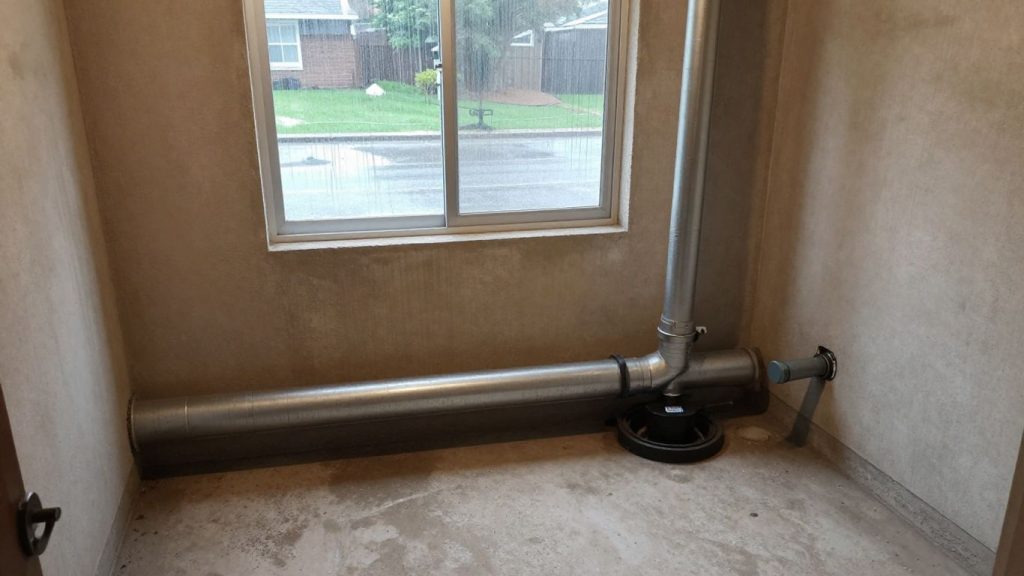
In this article
- Key Takeaways
- What normal sump pump operation looks like
- What affects how often a sump pump runs
- How to tell whether your pump is running too often
- Why a sump pump may run constantly
- How heavy rain changes sump pump behavior
- How to troubleshoot frequent sump pump cycles
- How to keep a sump pump running reliably
- Further reading
- Conclusion
- Frequently Asked Questions
Key Takeaways
Your sump pump may run rarely in dry weather and frequently during rain without anything being wrong. The useful question is whether it shuts off, removes water effectively, and returns to a reasonable pattern after conditions improve.
- Dry-weather cycling can range from no activity to several short runs a day.
- Heavy rain, snowmelt, saturated soil, and a high water table can increase operation.
- Continuous running, short cycling, or poor water removal deserves prompt attention.
- Float switches, discharge lines, check valves, and power supplies are common trouble points.
- Regular testing and a backup plan can reduce the risk of basement flooding.
What normal sump pump operation looks like
There is no single number that answers how often should a sump pump run for every home. Your pump responds to water reaching a set level in the pit, so its pattern reflects local weather, drainage, soil, and equipment. A pump that runs often in wet conditions may be working exactly as intended, while a pump that runs constantly in dry weather needs a closer look.
Typical cycling during dry weather
During a stretch of dry weather, you may hear the pump only a few times a day, or not at all for several days. Some homes receive steady groundwater even without recent rain, particularly where the water table is high or the foundation drainage system directs water into the pit. Listen for whether the motor starts cleanly and stops after the water level falls.
A quiet period by itself does not prove that the system is healthy. You should occasionally test the pump by adding water to the pit and watching the float, discharge, and shutoff behavior.
Expected activity during rain and snowmelt
Rain and melting snow can send more water toward the foundation and into the drainage system. During a storm, cycling every few minutes can be reasonable if each run lowers the water level and the pump eventually rests. Activity may remain elevated after the sky clears because the surrounding soil is still saturated.
For another perspective on wet-weather patterns and warning signs, you can read this Ready.gov flood preparedness. The useful comparison is not simply the number of starts; it is whether the pump keeps up without overheating or running without a break.
How long one pumping cycle should last
A healthy cycle lasts long enough to move a meaningful amount of water, but the exact duration depends on pit size, pump capacity, discharge height, and incoming flow. Very brief starts followed by frequent restarts can indicate a small pit, a narrow operating range, or a float that is set too close to the shutoff level. Longer runs can be normal during a storm if the pump is designed for the load.
Watch the result rather than chasing a universal stopwatch reading. The pump should lower the water, discharge it away from the foundation, and stop before the pit runs nearly dry.
Why there is no universal run frequency
Homes differ in elevation, soil permeability, foundation drainage, pit dimensions, and pump condition. Even two houses on the same street can have very different groundwater behavior. That is why a normal pattern for your system is best established by observing it during dry weather, ordinary rain, and a heavier storm.
These broad patterns can help you build a baseline:
| Conditions | Possible pattern | What to observe |
|---|---|---|
| Dry weather | Little or occasional activity | Clean starts and complete shutoff |
| Steady rain | Repeated cycles | Water level falls after each run |
| Heavy rain | Frequent or extended operation | Motor temperature and discharge flow |
| After snowmelt | Continued activity | Whether cycling gradually declines |
The table is a starting point, not a pass-fail test. A change from your usual pattern is often more informative than the absolute number of cycles.
What affects how often a sump pump runs
Your sump pump is part of a larger drainage system, not an isolated appliance. Water can arrive through soil, footing drains, foundation cracks, or surface runoff that reaches the foundation. Understanding those pathways makes an unusual operating pattern easier to explain.
Groundwater levels and soil conditions
Loose, permeable soil can move water toward the foundation quickly, while dense clay may hold water near the surface and release it more slowly. A naturally high water table can keep the pit active even during otherwise dry weather. Recent development, grading changes, or a neighbor’s drainage work can also alter how water moves around your home.
If the pump runs more after a wet season, allow for delayed groundwater movement before assuming the motor has failed. The pattern should still trend downward as the soil dries.
Foundation drainage and the water table
Footing drains and other foundation drainage routes may direct groundwater into the sump pit by design. Gutters and downspouts also matter: if they discharge beside the foundation, they can add unnecessary water to the system. A blocked drain or poor grading may make the pump work harder than it did previously.
Look for changes outside as well as inside. Pooling near the foundation, damp walls, or a new wet area in the basement can point to a drainage issue rather than a pump issue alone.
Sump pit size and pump capacity
A smaller pit fills faster, which can produce more starts even when the total water volume is manageable. Pump capacity also has to match the vertical lift and length of the discharge route; a pump that moves water well in a test bucket may perform differently once connected to the full system. Short cycling can place extra stress on the motor and starting components.
The goal is a balanced system in which the basin provides a useful operating range and the pump can remove incoming water without struggling. A professional can assess the application if the equipment seems mismatched.
Rainfall intensity and seasonal changes
A gentle rain may barely change your pump’s routine, while intense rain can raise groundwater and surface runoff at the same time. Spring snowmelt can have a similar effect, especially when frozen ground prevents water from soaking in. Seasonal patterns are useful because they help you distinguish a predictable increase from a new mechanical fault.
Keep notes after major storms. Recording when the pump starts, how long it runs, and when the pattern returns to normal gives you better information than memory alone.
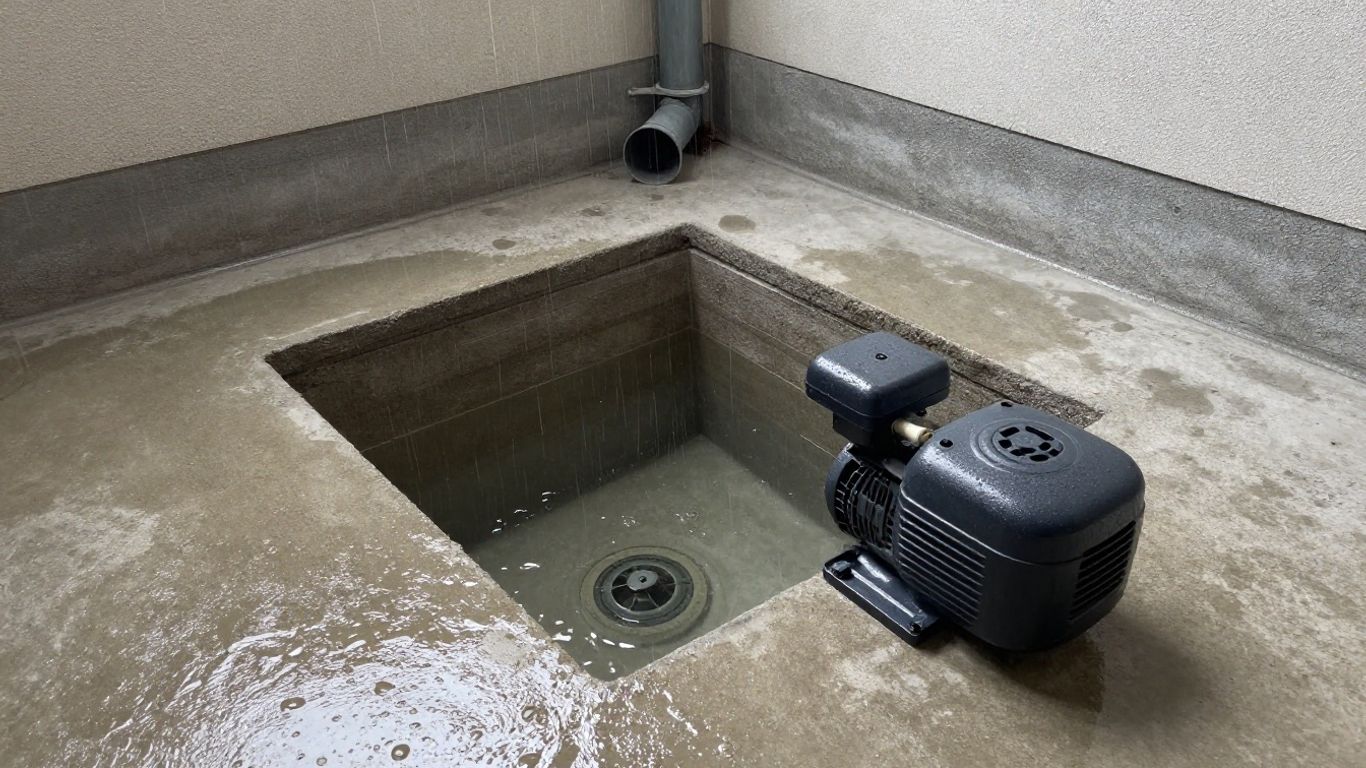
How to tell whether your pump is running too often
Frequency becomes concerning when it is paired with poor performance, unusual sounds, or a failure to shut off. You should compare the current behavior with your pump’s established baseline and with the weather conditions at the time. A busy pump during a storm is different from a pump that runs every few seconds on a dry afternoon.
Signs of excessive cycling
Short cycling means the pump starts and stops repeatedly without a useful interval between runs. You may hear rapid clicking, notice the water level barely changing, or see the float move only slightly before the motor starts again. This pattern can overheat the motor and wear out the switch sooner.
A sudden increase in starts deserves attention, especially if rainfall has not changed. Check the pit and discharge path before assuming you need a replacement pump.
When continuous operation is normal
A pump may run for a sustained period during intense rain, rapid snowmelt, or unusually high groundwater. Continuous operation is less alarming when water is visibly flowing out, the level is falling or controlled, and the pump eventually shuts off as conditions improve. You should still monitor the motor and avoid ignoring the pattern indefinitely.
If the pump runs without interruption after the storm has passed, the cause may be mechanical or hydraulic. That is the point to inspect the system rather than waiting for a failure.
Performance changes that indicate a problem
A weak discharge stream, grinding noise, vibration, burning odor, or rising water level can signal trouble. Water flowing back into the pit after shutoff may point to a check valve or discharge problem. A float that catches on the pit wall can also keep the pump on or prevent it from starting at the right level.
A changed pattern matters most when it appears without a matching change in weather. Turn off power before reaching into the pit, and arrange service if the pump cannot keep the water level under control.
How electricity use can reveal overworking
An unexpected rise in electricity use may reflect more frequent cycling or longer run times. Utility data cannot identify the cause by itself, but it can confirm that the change you hear is real rather than a brief impression. Compare usage with rainfall and other seasonal conditions before drawing conclusions.
Electricity use becomes more concerning when it rises alongside heat, noise, weak discharge, or nonstop operation. Those combined signs justify a closer inspection of the pump and its circuit.
Why a sump pump may run constantly
A pump that never reaches shutoff is not behaving like a normal wet-weather cycle in most situations. The cause may be a control problem, a blocked route out of the home, inadequate capacity, or incoming water that exceeds what the system can remove. Treat a rising water level or overheating motor as urgent.
An undersized or failing pump
A pump may be too small for the volume of water, the lift to the discharge point, or the resistance in the pipe. An aging motor can also lose performance and run longer while moving less water. If the pump operates continuously but the pit level remains high, capacity or failure should be considered.
Do not select a replacement based only on horsepower. The application, discharge route, and expected water volume all affect whether the new pump will work properly.
A stuck or poorly adjusted float switch
The float switch tells the pump when to start and stop. It can catch against the pit wall, tangle with the power cord, or remain raised because debris limits its movement. A switch that is set too narrowly can also produce rapid cycling rather than a steady, useful run.
With power disconnected, check that the float moves freely and that nothing obstructs its travel. If the switch is damaged or its adjustment is unclear, have it serviced rather than bypassing its safety function.
A blocked discharge pipe
A clogged, frozen, crushed, or poorly routed discharge pipe can prevent water from leaving the home. The pump may continue running because the pit never reaches the shutoff level, while the motor experiences unnecessary strain. Inspect the visible section for kinks, ice, debris, and water that is returning near the foundation.
Never disconnect a pressurized or energized component casually. If the blockage is not obvious and water is rising, professional help is safer than repeated resets.
Groundwater entering faster than the system can remove it
During a major storm or a period of saturated soil, water may enter the pit faster than the pump can discharge it. This can happen even when the pump is functioning correctly. Persistent inflow after weather improves, however, may point to drainage changes, foundation water intrusion, or a high water table.
You should track whether the water level falls at all during operation. If it does not, the system needs assessment rather than simply a longer run time.
A damaged check valve or leaking discharge line
The check valve is meant to keep pumped water from flowing back into the pit. If it fails, some of the water can return after each cycle, causing repeated starts or extended operation. A loose fitting or leaking discharge line can create a similar problem and may saturate soil near the foundation.
Inspect for obvious leaks where accessible, but remember that underground or concealed sections may require a plumber to diagnose. Pro US Plumbers connects homeowners with independent plumbers in their area. The plumbers you hear from are independent businesses, not employees or agents of ours, so confirm each one’s license and insurance yourself before you hire.
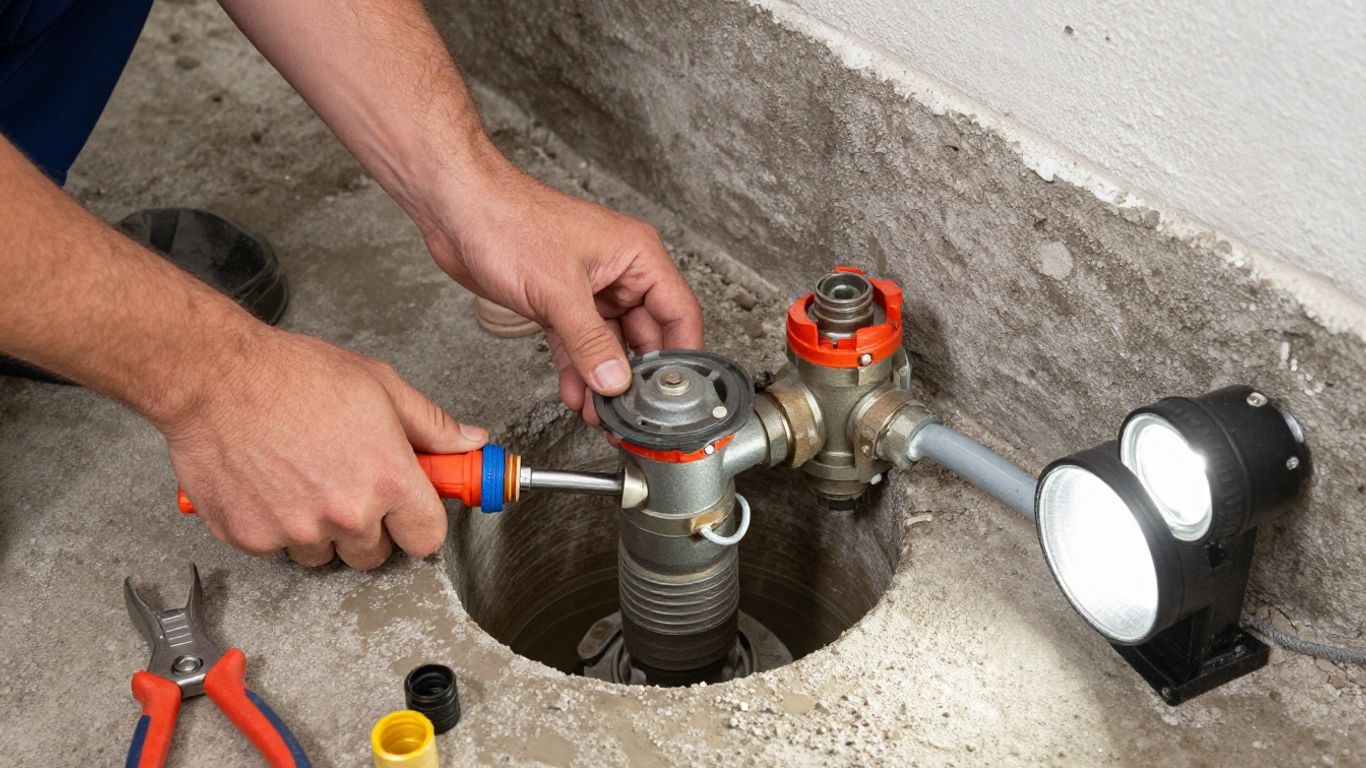
How heavy rain changes sump pump behavior
Heavy rain changes the amount and speed of water reaching your foundation. It can also expose weaknesses in grading, downspouts, discharge routing, or backup power. A little extra noise during a storm is expected; a rising pit with no effective discharge is not.
What to expect during a major storm
You may hear the pump cycle every few minutes or run for long periods while water is entering the pit. The discharge should be steady, and each cycle should make visible progress. Keep the area around the pit clear so you can observe the float and water level without obstruction.
Avoid opening the pit repeatedly while the pump is energized. A quick visual check from a safe position is usually enough to confirm that water is moving and the motor is not producing unusual sounds.
How long increased activity may continue afterward
The pump may remain busy after rainfall ends because soil around the foundation drains gradually. The duration depends on storm intensity, local groundwater, soil, grading, and the condition of the drainage system. Activity should generally ease as the surrounding water level falls.
If there is no reduction over time, compare the pump’s output with the inflow. A persistent mismatch suggests a blockage, failing component, or drainage condition that needs attention.
When nonstop pumping becomes a warning sign
Nonstop operation is more concerning when the pit stays full, the discharge is weak, or the pump is hot and noisy. It is also a warning sign when the behavior continues through dry weather or begins suddenly without a weather explanation. Turn off the pump only if doing so will not allow water to rise dangerously, and seek assistance quickly.
Pro US Plumbers is a referral service: it puts your request in front of independent plumbers who work nearby. That can be useful when a storm-related problem cannot wait for a routine appointment.
Backup protection during power outages
A power outage during heavy rain can remove the pump’s ability to protect the basement. A battery backup, secondary pump, generator, or other arrangement may provide protection, but each option needs testing and proper installation. A backup that has never been charged or tested should not be treated as ready.
Keep emergency contact information accessible and know where the main electrical shutoff is located. If water is near electrical equipment, avoid entering the area and call for qualified help.
How to troubleshoot frequent sump pump cycles
Start with observations that do not require dismantling electrical equipment. Note the water level, weather, cycle timing, discharge flow, and any unusual sound. Stop if water is rising quickly, the motor smells hot, or you would need to work near energized water.
Check the float switch and pit clearance
Disconnect power before inspecting the pit. Confirm that the float can rise and fall without touching the basin, pump, cord, or debris, then restore power only when the area is safe. A crowded pit can make a properly working switch behave unpredictably.
Do not wedge the float into an always-on position. The switch needs room to control the pump through its normal range.
Inspect the discharge line and check valve
Look for a kinked or frozen pipe, loose connection, visible leak, or discharge that ends too close to the foundation. Listen for water rushing back into the pit after the motor stops, which may indicate a check valve problem. Keep hands away from moving parts and disconnect power before handling components.
A discharge route that appears clear at the pump may still be blocked farther outside. If water is not reaching a suitable outlet, professional diagnosis can prevent repeated cycling and foundation saturation.
Confirm the pump is removing water effectively
Add water carefully to the pit only when the electrical setup is dry and safe, then watch whether the pump starts, moves water, and stops. Do not run the pump dry or continue testing if the motor sounds strained. The test should show a clear change in water level, not just motor noise.
These four observations are especially useful to record for a service call:
- Whether the float rises and falls freely.
- Whether the discharge stream is strong and directed away from the foundation.
- How long the pump runs before the water level drops.
- Whether water flows back into the pit after shutoff.
Those details help a plumber separate a control issue from a blocked discharge or inadequate capacity. They also make it easier to explain the problem quickly when you request service.
Test the outlet, circuit, and backup system
A tripped breaker, failed outlet, damaged cord, or depleted battery can leave you with little protection when water arrives. Test backup equipment according to its instructions and keep the primary pump connected to a properly functioning circuit. Do not use extension cords in wet areas as a permanent solution.
If the breaker trips repeatedly, stop resetting it. Electrical faults around water require a qualified professional, and a plumbing visit may need to be coordinated with electrical service.
When to call a waterproofing or plumbing professional
Call for help when the water level keeps rising, the pump runs nonstop, the discharge route is blocked, or you cannot identify the cause safely. You should also arrange an inspection when basement dampness returns despite normal pump operation. Fast attention can reduce damage and clarify whether the issue is the pump, drainage, or foundation.
Pro US Plumbers can put your job in front of independent plumbers locally. Ask about expected arrival timing and any diagnostic or trip fee before confirming the visit.
How to keep a sump pump running reliably
Reliability comes from routine checks, suitable equipment, and a plan for bad weather. You do not need to wait for a flood to discover that the float is jammed or the backup battery is dead. A few minutes of maintenance can reveal problems while the pit is dry.
Cleaning and testing the pump
Remove debris from the pit only with power disconnected and only when doing so is safe. Test the pump periodically by adding water gradually, observing the float, and confirming that the discharge flows away from the foundation. Listen for grinding, excessive vibration, or a motor that struggles to start.
Keep a simple record of test dates and unusual behavior. That history can help you identify gradual changes before they become an emergency.
Maintaining the sump pit and drainage system
Keep the pit free of sediment, plastic, gravel, and objects that can interfere with the float or pump intake. Check gutters, downspouts, exterior grading, and visible drainage outlets before the wet season. A pump cannot compensate indefinitely for water being directed toward the foundation.
If the pit fills with sediment repeatedly or the basement remains damp, arrange a broader drainage inspection. The underlying water path may need attention along with the pump.
Choosing the right replacement pump
When replacement becomes necessary, match the pump to the expected inflow, vertical lift, discharge length, and pit dimensions. Consider how the switch operates and whether the system needs a backup. A product that looks powerful on paper may not perform well with a difficult discharge route.
Ask for the operating assumptions behind a recommendation. Clear information about capacity, installation, and total cost is more useful than choosing by a single specification.
Replacing older pumps before failure
No pump lasts forever, and an older unit deserves closer monitoring if it is noisy, slow, rusty, or increasingly active. Planned replacement gives you time to compare equipment and arrange installation before the next major storm. It also lets you test the new system under controlled conditions.
You may still keep the old unit as part of a properly designed backup arrangement, but do not rely on an unreliable pump as your primary protection. Have the complete setup evaluated when replacing equipment.
Creating a storm and power-outage plan
Before severe weather, clear the discharge outlet, test the pump, check backup power, and move valuables away from the lowest part of the basement. Keep towels and a wet-dry vacuum available, but treat them as cleanup tools rather than flood protection. Know whom you will call if the pump fails at night.
Pro US Plumbers only makes the introduction; the price, timing and the work itself are agreed directly with the plumber you choose. Having pricing and process questions ready may save time when the weather turns.
Related articles
Plumber for low water pressure: Causes, diagnosis, and when to call a pro and How to winterize outdoor faucets: A step-by-step guide to preventing frozen pipes cover other plumbing questions you may run into.
Further reading
For more background, see the Ready.gov on power outages and the International Code Council. It is also worth reading the IAPMO, which publishes the Uniform Plumbing Code and the National Association of Home Builders. You can find more detail from the American Society of Home Inspectors and the InterNACHI. For further reading, see the EPA guidance on protecting your home's water.
If you would rather not sort this out alone, Sump pumps and well systems and independent local plumbers in your area can contact you directly.
Emergency plumbing (burst pipes, active leaks, sewage backups) and Leak detection and slab leak repair may also be useful before you decide.
Pricing guide: how plumbers charge and how to get a fair written quote and Request form: describe the problem so independent local plumbers can contact you may also be useful before you decide.
Where requests can be sent from: states and metros and About: how this referral service works may also be useful before you decide.
All plumbing service lines may also be useful before you decide.
Conclusion
Your sump pump does not need to run on a fixed schedule to be healthy. Judge it by the conditions, the water level, the quality of the discharge, and whether it shuts off normally. Test the system before storm season, investigate changes early, and call a qualified professional when constant operation or rising water puts your home at risk.
Frequently Asked Questions
How often should a sump pump run in dry weather?
It may run a few times a day, occasionally, or not at all for several days. Groundwater, soil, foundation drainage, and the pit’s water level determine the pattern.
Is it normal for a sump pump to run every few minutes during rain?
It can be normal during heavy rain if the pump is removing water effectively, the pit level is controlled, and the pump eventually rests as conditions improve.
How long should a sump pump run each cycle?
There is no universal duration. A useful cycle should move water out of the pit without rapid restarting, overheating, or leaving the water level high.
Why does a sump pump keep running after the rain stops?
Saturated soil and a high water table can continue sending water toward the foundation. If operation does not ease, inspect the float, discharge line, check valve, and pump capacity.
What does short cycling mean?
Short cycling means the pump starts and stops repeatedly with very little time between runs. It may result from a small pit, a narrow float range, a blocked discharge, or water returning to the pit.
Can a sump pump run continuously without being broken?
During an intense storm, extended operation may be expected. Continuous operation becomes concerning when the water level stays high, discharge is weak, the motor overheats, or the pump never shuts off after conditions improve.
What should I do if the sump pump stops during a storm?
Stay away from water near electrical equipment, check for an obvious power interruption only from a safe location, and contact qualified help. A tested backup pump or battery system can provide additional protection if properly installed.