Under slab leak detection: How to find, confirm, and address leaks beneath concrete
Pro US Plumbers ·
In this article
- Key Takeaways
- What an under slab leak is and why it matters
- Signs that point to a leak beneath the slab
- How professionals perform under slab leak detection
- How to distinguish a slab leak from other plumbing issues
- What to expect during a professional inspection
- Slab leak repair options and cost factors
- How to prevent future leaks beneath a slab
- Further reading
- Conclusion
- Frequently Asked Questions
Key Takeaways
A leak beneath a concrete slab can stay hidden while water bills, flooring, and foundation conditions change around it. Knowing the warning signs and understanding the inspection process helps you act before a small failure becomes a larger repair.
- A slab leak usually involves a pressurized water line beneath or within a concrete foundation.
- Rising water use, warm floors, damp areas, and unexplained sounds can point to hidden water loss.
- Professionals combine pressure testing with acoustic, thermal, or tracer-gas methods to narrow the location.
- Confirming the source before demolition can reduce unnecessary concrete and flooring damage.
- Promptly comparing repair options and pricing helps you make a calmer decision.
What an under slab leak is and why it matters
An under slab leak occurs when a plumbing line beneath a concrete foundation loses water. Because the damaged pipe is out of sight, you may notice indirect clues long before you see standing water. The right response is not guesswork or immediate demolition; it is a measured process of confirming the leak, locating it, and choosing a repair that fits the property.
How plumbing lines run beneath a concrete slab
Supply lines may run below the slab or through planned pathways within the foundation area before connecting to fixtures throughout your home. Hot and cold water lines can both be involved, and their routes are not always obvious from the room above. Older plans may be incomplete, so a professional often combines available drawings with the building’s layout and observable plumbing connections.
Common causes of leaks under foundations
Pipes can fail because of corrosion, abrasion, installation problems, excessive pressure, temperature changes, or movement in the surrounding soil. A foundation that settles or soil that expands and contracts can place repeated stress on buried lines. The age and material of the pipe matter, but so do local ground conditions and the quality of the original installation.
A useful EPA's Fix a Leak Week guidance can help you see how several of these factors may overlap. No single cause should be assumed without an inspection, especially when the visible symptoms could come from another plumbing problem.
Risks to structural integrity and indoor air quality
Water escaping below a slab can soften or wash away supporting soil, affect flooring, and contribute to cracking or movement over time. Moisture can also migrate into wall materials, insulation, or floor coverings, where persistent dampness may encourage mold growth and unpleasant odors. The severity depends on the leak’s flow, duration, location, and the construction of your home.
Why early detection can reduce repair costs
The sooner you confirm a hidden leak, the sooner you can limit ongoing water loss and decide whether a localized repair is practical. Waiting can add flooring replacement, concrete work, drying, or mold-related remediation to the plumbing bill. Early confirmation limits uncertainty and gives you more room to compare a spot repair with rerouting or broader pipe work.
Signs that point to a leak beneath the slab
The clues of a slab leak are often small at first, and no single sign proves the source. You may notice a change in your bill, a new sound, or a floor that feels different underfoot. Taken together, these observations can tell you that professional under slab leak detection is warranted.

Unexplained increases in water usage
A water bill that rises without a matching change in household habits deserves attention. Compare several billing periods and consider seasonal watering, guests, appliance use, and rate changes before drawing a conclusion. If usage remains high while your routine has not changed, a supply-line leak somewhere on the property becomes more plausible.
The sound and location of running water
Hearing water move when every faucet, appliance, and toilet is off can indicate a leak in a pressurized line. The sound may seem to come from a floor, wall, or cabinet, and concrete can make its location difficult to judge by ear alone. Avoid breaking through the floor based only on the apparent loudest spot.
Warm or damp spots on floors
A warm patch may occur when a hot-water line is leaking below the slab, while a cool or damp area can reflect moisture moving through flooring or joints. Carpeting may stay wet, wood may warp, and tile grout may darken. These signs can also have other causes, so note their size, timing, and whether they change when water is being used.
Cracks, lifted flooring, and foundation changes
New cracks, lifted tiles, buckled flooring, or gaps near baseboards can reflect moisture or movement, though they are not proof of a leaking pipe. Photograph changes and record when you first noticed them. A professional can compare those observations with pressure-test results and the plumbing layout rather than treating every crack as a slab failure.
Low water pressure and recurring moisture problems
A sudden pressure drop may occur when water is escaping from a supply line, particularly if more than one fixture is affected. Repeated dampness, mildew-like odors, or a drying area that becomes wet again can add weight to the concern. For a compact overview of common warning signs, review this EPA WaterSense statistics and facts, then arrange a qualified assessment if the pattern persists.
How professionals perform under slab leak detection
A professional inspection usually moves from broad confirmation to narrower location work. The technician first determines whether water is being lost, then selects tools that fit the building, pipe type, and suspected area. This staged approach helps avoid unnecessary drilling and makes the eventual repair more deliberate.
Reviewing plumbing layouts and property history
The inspection may begin with construction plans, fixture locations, prior repairs, water bills, and your account of when symptoms began. The layout helps identify likely pipe routes, while the property history can reveal recurring pressure, corrosion, or foundation concerns. You can make the visit more efficient by gathering renovation records and noting which fixtures were operating when the signs appeared.
Using pressure tests to confirm water loss
A technician may isolate sections of the plumbing and observe whether pressure holds over a measured period. A pressure drop supports the conclusion that water is escaping, but it does not by itself identify the exact point. Toilets, valves, appliances, and other above-slab components should be considered so the test result is interpreted in context.
Tracing leaks with acoustic listening equipment
Specialized listening equipment can detect the sound and vibration created by pressurized water escaping from a pipe. The technician compares readings at accessible points and may listen through flooring or nearby surfaces. Ambient noise, thick concrete, and multiple plumbing routes can affect the result, which is why acoustic work is usually paired with other evidence.
Applying infrared cameras and thermal imaging
Thermal imaging can reveal temperature differences associated with a hot-water leak or moisture pattern. It is most useful when the temperature contrast is strong enough to distinguish the affected area from surrounding materials. A thermal image is a clue, not a guarantee; surface temperature can also be influenced by sunlight, drafts, insulation, and flooring materials.
Using tracer gas when other methods are inconclusive
In some cases, a technician introduces a specialized tracer gas into an isolated plumbing line and scans accessible surfaces for gas rising through small openings. This method can help when sound and temperature patterns are weak or confusing. It still requires controlled testing and careful interpretation, rather than serving as a shortcut around confirming the plumbing system.
How to distinguish a slab leak from other plumbing issues
Not every wet floor or high bill comes from a pipe beneath the foundation. A fixture leak, drain problem, irrigation break, condensation issue, or groundwater intrusion can create a similar first impression. Sorting out those possibilities before opening the slab is one of the most valuable parts of the diagnostic process.
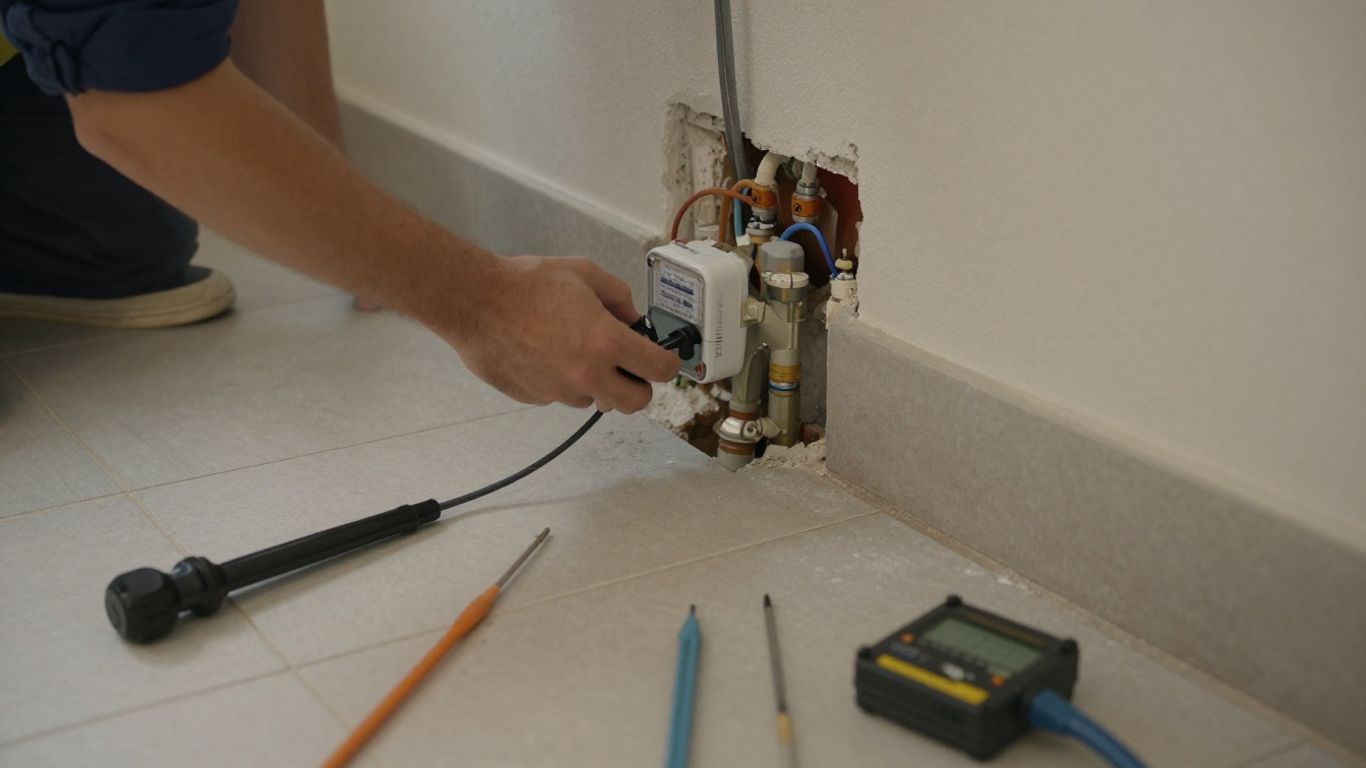
Comparing supply-line leaks with drain-line leaks
A pressurized supply line can lose water even when no fixture is running, while a drain-line problem often appears when a sink, shower, toilet, or appliance discharges water. The timing of the moisture matters. Persistent meter movement with all fixtures off points more strongly toward a pressurized leak, although a complete diagnosis still requires testing.
Ruling out outdoor and irrigation system leaks
Check hose bibs, irrigation valves, sprinkler zones, pools, and exterior supply lines before concluding that the problem is beneath the home. Outdoor leaks can raise water usage dramatically and may saturate soil near the foundation. If your meter moves while indoor water is off, isolate outdoor systems one at a time when it is safe to do so.
Checking fixtures, walls, and ceilings first
Look for running toilets, dripping faucets, refrigerator connections, water-heater leaks, stained ceilings, and damp cabinet bases. These sources are often easier and less expensive to correct than a slab leak. A careful technician works through accessible possibilities first instead of treating the concrete as the starting point.
Interpreting meter readings and pressure changes
Turn off indoor and outdoor water use, wait for the meter to settle, and check whether the indicator continues to move. The result can support a leak investigation, but smart meters and meter types vary, and some systems update with a delay. A pressure test can provide more direct information about a suspected supply line.
Identifying signs of condensation or groundwater intrusion
Condensation on cold pipes, humid air, poor drainage, a high water table, or rain entering at a foundation joint can all create moisture without a failed plumbing line. Look for patterns tied to weather or humidity rather than fixture use. For a broader explanation of confirming a leak under concrete, see this Ready.gov flood preparedness.
What to expect during a professional inspection
A good inspection should give you more than a vague statement that something is wet. You should understand what was tested, what was ruled out, where the suspected failure lies, and what repair paths are available. Pro US Plumbers connects homeowners with independent plumbers in their area. The plumbers you hear from are independent businesses, not employees or agents of ours, so confirm each one’s license and insurance yourself before you hire.
Preparing rooms and clearing access areas
Move rugs, furniture, stored items, and breakable objects away from suspected floor areas and nearby fixtures. Keep access to the water meter, shutoff valves, water heater, and mechanical spaces clear. You do not need to remove flooring or cut concrete before the inspection unless a professional specifically explains why it is necessary.
Locating the leak without unnecessary demolition
The technician may combine pressure testing, listening, thermal imaging, and other methods before recommending an opening. These tools cannot eliminate every uncertainty, but they can reduce the size and number of exploratory cuts. Ask what evidence supports the proposed access point and how the opening will be protected during the work.
Confirming the exact leak point
Before repair begins, the technician should distinguish the likely pipe route from the actual failure area as closely as the available evidence allows. Confirmation may involve isolating a line, repeating a test, or comparing several instrument readings. The goal is a defensible repair location, not simply the warmest or loudest place in the room.
Documenting damage and recommended repairs
Request a written description of the suspected cause, testing performed, access required, and recommended repair. Photos, meter readings, pressure results, and notes about affected flooring can help with planning and insurance conversations. If the proposal includes restoration, make sure plumbing work and rebuilding work are clearly separated.
Understanding when a second diagnostic opinion helps
A second opinion may be sensible when the proposed demolition is extensive, the evidence is inconsistent, or the repair plan is much broader than the symptoms suggest. It can also help you compare spot repair and rerouting. A useful InterNACHI can help you frame questions about inspection scope, property size, accessibility, and possible follow-up work.
Slab leak repair options and cost factors
Repair is not one universal procedure. The best option depends on the pipe material, failure location, accessibility, condition of the remaining line, and how much disruption your home can tolerate. You should receive a clear explanation of the work, the expected access, and the price before authorizing it.
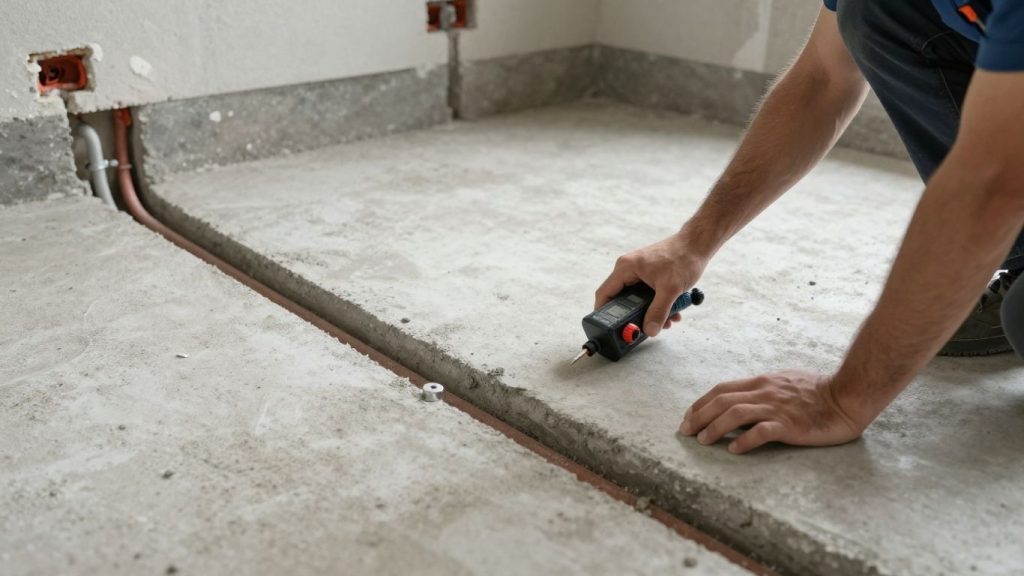
Spot repair through the concrete slab
If the failed section is isolated and the surrounding pipe is sound, a plumber may open a small area of concrete, repair or replace the damaged section, test the line, and close the access point. This can limit the scope of work, but the floor will still need concrete and finish restoration. Ask how the repair area will be matched to the existing floor.
Rerouting damaged plumbing lines
Rerouting moves a water line away from the slab, often through walls, ceilings, attics, or other accessible pathways. It may avoid repeated concrete demolition when a buried line has several weak areas. The tradeoff can include visible access work, longer pipe runs, and finishing repairs, so the route should be explained before installation.
Replacing or relining affected pipes
A broader replacement may be appropriate when the pipe has widespread corrosion, repeated failures, or an age and material profile that makes another spot repair poor value. Relining is not suitable for every pipe or building and must be evaluated by a qualified professional. The proposal should identify exactly which sections are being replaced or treated.
Factors that influence detection and repair costs
Cost varies with the number of tests, property layout, accessibility, pipe type, finish materials, water damage, and local labor rates. Diagnostic work and physical repair are separate cost categories, and a low initial detection price does not necessarily mean a low total project cost. If you use Pro US Plumbers to find a local plumber, its stated positioning is to explain price and process before anyone shows up; still confirm the specific estimate and fees for your job.
Coordinating flooring, concrete, and water damage restoration
Once the plumbing is repaired, the area may need drying, moisture assessment, concrete patching, flooring replacement, and finish matching. Do not close a wall or reinstall flooring until the source is fixed and affected materials have been evaluated. Keeping plumbing and restoration scopes distinct makes it easier to see what each contractor is responsible for.
How to prevent future leaks beneath a slab
You cannot remove every risk from buried plumbing, but you can catch changes earlier and reduce avoidable stress on the system. Prevention is mostly a matter of observation, maintenance, and making informed choices when repairs or repiping are already planned. A written record of past work can also make future diagnosis faster.
Scheduling routine plumbing inspections
Have a licensed plumber review exposed valves, water-heater connections, pressure behavior, and accessible piping at sensible intervals. The frequency depends on the property’s age, pipe materials, water quality, and history of repairs. Routine review is especially useful after a previous hidden leak or repeated pressure problem.
Monitoring water bills and meter activity
Save your water bills and compare usage across similar seasons rather than relying on memory. A brief meter check when the property is quiet can reveal unexplained movement before damage becomes visible. If you are managing several units, consistent records make unusual consumption easier to spot and investigate.
Managing water pressure and temperature
Excessive pressure can strain valves and pipe joints, while repeated temperature changes can contribute to expansion and contraction. Ask a plumber to evaluate pressure and water-heater settings rather than adjusting equipment blindly. A pressure-reducing device or other correction may be appropriate, but the solution depends on the whole system.
Protecting pipes from corrosion and soil movement
Water chemistry, pipe material, installation quality, and shifting soil all influence long-term durability. Keep drainage directed away from the foundation where practical, address recurring settlement concerns, and do not ignore small leaks at accessible connections. The American Society of Home Inspectors offers another perspective on corrosion, soil movement, abrasion, pressure, and installation factors.
Choosing durable materials during repiping projects
If repiping becomes necessary, ask which materials are appropriate for your water conditions, local code, installation route, and expected access. The cheapest material or shortest route is not automatically the best long-term choice. Have the plumber document the new pathways so future owners and technicians are not left guessing.
Pro US Plumbers is a referral service: it puts your request in front of independent plumbers who work nearby. Its directory model is built around getting a plumber fast and explaining price and process before the visit, which can make the first call less uncertain.
Related articles
Plumber for low water pressure: Causes, diagnosis, and when to call a pro and Cost of repiping a house with PEX: 2026 pricing guide and cost breakdown cover other plumbing questions you may run into.
Further reading
For more background, see the International Code Council and the IAPMO, which publishes the Uniform Plumbing Code. It is also worth reading the USGS on how much water a home uses each day.
If you would rather not sort this out alone, Leak detection and slab leak repair and independent local plumbers in your area can contact you directly.
Repiping and water line services and Emergency plumbing (burst pipes, active leaks, sewage backups) may also be useful before you decide.
Pricing guide: how plumbers charge and how to get a fair written quote and Request form: describe the problem so independent local plumbers can contact you may also be useful before you decide.
Where requests can be sent from: states and metros and About: how this referral service works may also be useful before you decide.
All plumbing service lines may also be useful before you decide.
Conclusion
Under slab leak detection is most useful when it leads to a clear decision: confirm the water loss, locate its source, and choose a repair based on evidence rather than fear. Watch for changes in usage, pressure, temperature, flooring, and moisture, then bring in a qualified professional before damage spreads. A transparent inspection and written repair plan can help you protect your home while keeping the next steps understandable.
Frequently Asked Questions
What is an under slab leak?
It is a leak in a plumbing line located beneath or within a concrete foundation. Because the pipe is hidden, signs often appear indirectly through water usage, pressure, flooring, or moisture changes.
Can a high water bill prove there is a slab leak?
No. A high bill can also come from irrigation, a running toilet, appliance use, rate changes, or another plumbing leak. It is a reason to investigate, not proof of the exact source.
How can you check for a hidden plumbing leak?
Turn off water-using fixtures and appliances, observe the meter if possible, and note whether pressure or usage changes. A professional can then isolate lines and use specialized equipment to confirm the problem.
Is a warm floor always caused by a slab leak?
No. A warm area may result from sunlight, heating equipment, flooring conditions, or a hot-water leak. The pattern and location need to be compared with pressure and plumbing tests.
Does finding a slab leak require breaking the concrete?
Not always. Pressure tests, acoustic tools, thermal imaging, and tracer methods can help locate a suspected area before access work begins. Some repairs will still require a controlled opening.
Which is better, spot repair or rerouting?
The answer depends on the condition and location of the pipe, the number of failures, access, and the cost of restoring the area. A plumber should explain the advantages and disruption of each option for your property.
When should you call a professional?
Call promptly when water use rises without explanation, the meter moves with all water off, pressure drops suddenly, or floors and walls show recurring moisture. Acting early can limit damage and give you more repair choices.