In this article
- Key Takeaways
- How tankless water heaters work
- The main benefits of tankless water heaters
- The biggest drawbacks to consider
- Tankless versus traditional water heaters
- How to determine the right system size
- Installation, maintenance, and operating requirements
- When a tankless water heater makes sense
- Further reading
- Conclusion
- Frequently Asked Questions
Key Takeaways
A tankless water heater can save space and reduce standby energy use, but it is not automatically the best choice for every home.
- Tankless units heat water only when you need it rather than storing a heated supply.
- Correct sizing matters because flow rate and temperature rise determine performance.
- Higher installation costs, maintenance needs, and utility requirements can offset some benefits.
- Tankless systems can provide continuous hot water, but simultaneous use may reduce flow.
- Your household habits, climate, water quality, and available utilities should guide the decision.
How tankless water heaters work
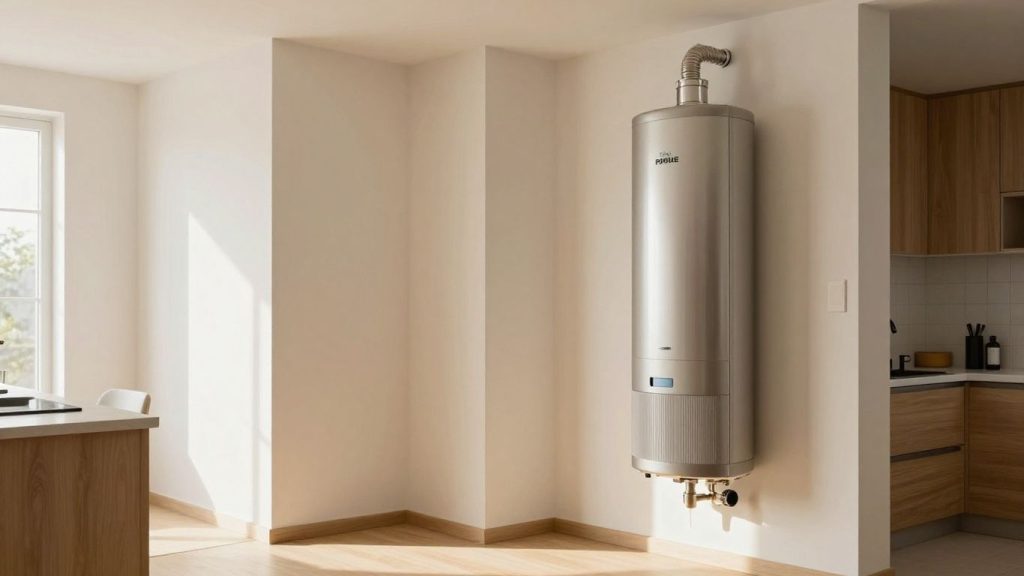
A tankless water heater heats water as it passes through the unit instead of keeping a reservoir hot all day. When you open a hot-water tap, a sensor activates a gas burner or electric heating element. The system then stops heating when the demand ends. That basic design explains both the efficiency advantages and the capacity limits discussed in this guide.
Heating water on demand
Cold water enters the heater and moves through a heat exchanger, where it is warmed before traveling to the fixture. Because there is no large tank to refill and reheat, you do not run out of stored hot water in the same way you can with a conventional unit. However, the heater still needs enough time, energy, and water flow to reach your selected temperature.
The phrase ENERGY STAR gas tankless water heaters covers this operating principle well: the system responds to demand rather than maintaining a hot reserve. That distinction is useful when you compare energy use, recovery time, and household routines.
How flow rate affects performance
Flow rate is the amount of water moving through the heater at one time, usually measured in gallons per minute. A shower, kitchen faucet, washing machine, and dishwasher running together can demand more flow than a single unit can heat comfortably. When that happens, the water may feel cooler or the flow may need to be reduced.
You should estimate your busiest likely combination of fixtures rather than sizing the system around one shower. A unit that performs beautifully for one person may feel inadequate in a larger household with overlapping morning routines.
Gas, electric, and hybrid models
Gas tankless heaters use a burner and require suitable fuel delivery and venting. Electric models use heating elements and may need substantial electrical capacity, sometimes including dedicated circuits. Hybrid systems combine storage and heat-pump technology rather than operating exactly like a pure tankless heater, so their space, efficiency, and installation profiles differ.
Your existing utilities often narrow the practical choices. Before choosing a model, have a professional review the gas line, electrical panel, venting path, water connections, and installation location.
How tankless systems differ from storage tanks
A storage tank keeps a set volume of heated water ready for use. That gives you a familiar reserve, but the tank also occupies floor space and loses some heat while standing. A tankless unit is usually wall-mounted and avoids most standby heating, yet it must respond to demand immediately and within its rated capacity.
The right comparison is not simply “newer versus older.” It is a question of how each system matches your water-use pattern, utility setup, budget, and tolerance for maintenance.
The main benefits of tankless water heaters
The appeal of tankless technology comes from its compact design and on-demand operation. You may use less energy when the household has modest or irregular hot-water needs, and you can reclaim the floor area once occupied by a storage tank. These advantages are real, but they depend on proper sizing and installation. Think of the system as a set of trade-offs rather than a universal upgrade.
Greater energy efficiency
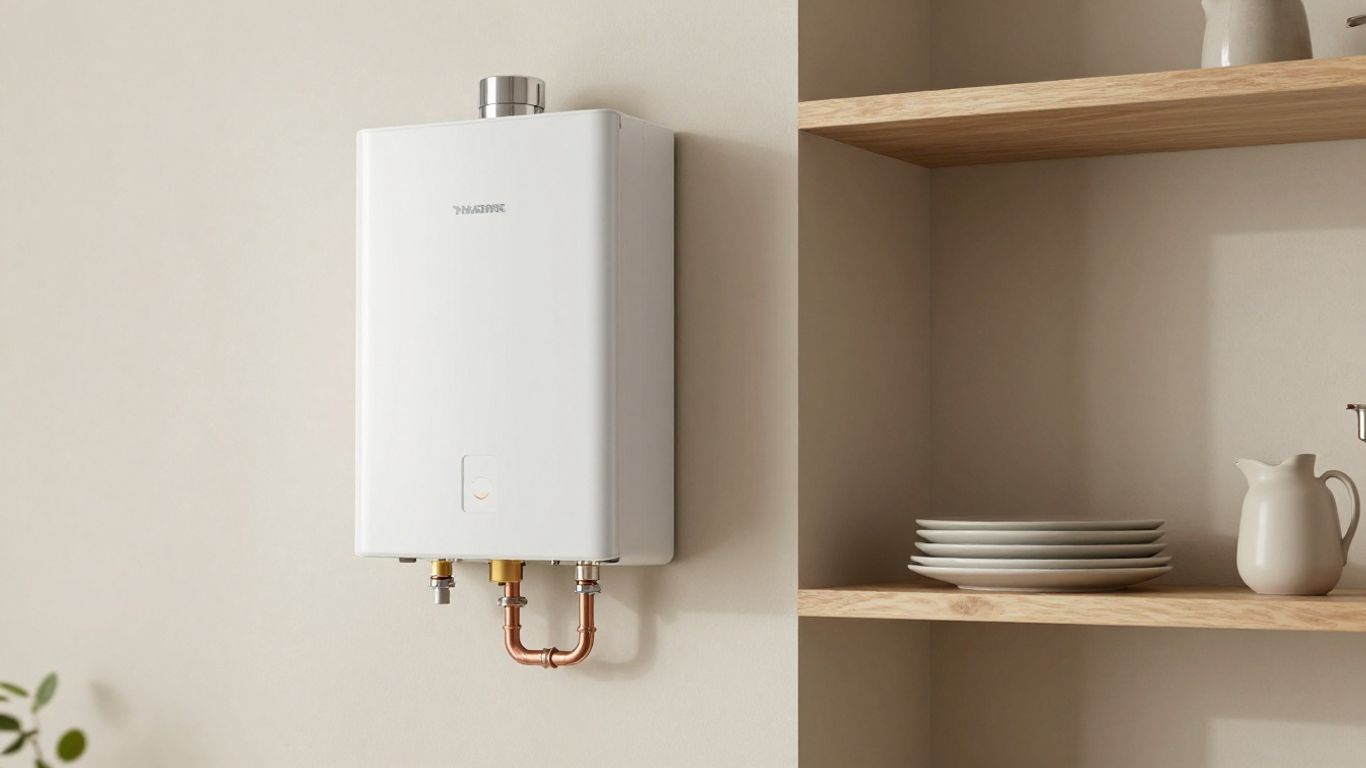
A storage tank repeatedly heats water to replace heat lost during the day, even when nobody is using hot water. A tankless unit generally operates only when there is demand, which can reduce standby losses. Your actual savings will depend on water use, energy prices, unit efficiency, and whether the system is sized and maintained correctly.
That makes operating efficiency one of the more persuasive tankless water heater pros and cons considerations, especially if your household uses hot water in short, scattered periods rather than all at once.
Continuous hot water supply
Because the heater does not rely on a finite tank reserve, it can continue producing hot water while water and fuel or electricity remain available. This can be helpful when several people need showers in succession. Continuous supply does not mean unlimited flow, though; the heater still has a maximum output.
If several fixtures run together, each may receive less flow or a lower temperature. A larger unit, careful scheduling, or multiple heaters may be needed to make the experience feel continuous throughout the home.
Space-saving installation
Without a bulky storage cylinder, a tankless unit can free space in a utility room, closet, garage, or basement. Wall mounting may also make access easier for some layouts. The space savings are most valuable when you are renovating a compact home or trying to preserve storage capacity.
The installation footprint is not the entire story. Gas venting, electrical equipment, condensate drainage, service clearances, and pipe routing still require room, so measure the complete installation rather than only the appliance cabinet.
Longer expected service life
Tankless equipment can have a longer useful life than many storage tanks when it is installed correctly and maintained consistently. The absence of a large steel tank may also remove one common failure point. Still, burners, heating elements, sensors, valves, and control boards can wear out.
A longer expected life does not guarantee lower lifetime cost. You should compare the purchase price, installation work, maintenance, energy use, and likely replacement timing together.
Reduced risk of tank leaks
A tankless unit does not hold a large volume of water in a storage vessel, so it avoids the specific risk of a tank rupturing and releasing that stored volume. It can still leak at fittings, valves, or internal components, and a malfunction may still cause water damage.
Leak protection remains worthwhile. Shutoff access, a drain strategy, proper installation, and routine inspection can reduce the consequences of any water-heater failure.
The biggest drawbacks to consider
The disadvantages of tankless systems usually appear during purchase, installation, or periods of high demand. You may pay more before the first hot shower, and your home may need utility upgrades that a replacement tank would not. Performance can also be less forgiving when the system is undersized or the water contains heavy mineral deposits. Reviewing these constraints early can prevent an expensive surprise.
Higher upfront purchase and installation costs
The equipment itself often costs more than a basic storage heater, and installation may involve new gas lines, venting, electrical circuits, water lines, or wall modifications. Labor can therefore represent a substantial share of the project. If you are replacing a failed heater urgently, the added planning may be difficult.
Ask for an itemized estimate that separates the equipment, labor, permits, utility changes, venting, disposal, and future maintenance. Pro US Plumbers connects homeowners with independent plumbers in their area. The plumbers you hear from are independent businesses, not employees or agents of ours, so confirm each one’s license and insurance yourself before you hire.
Limited flow during simultaneous use
A tankless heater does not run out of stored water, but it can reach its maximum flow rate. Two showers, a washing machine, and a kitchen faucet may push demand beyond that limit. The result can be reduced temperature, lower flow, or a need to stagger activities.
Your household may avoid the issue if hot-water use is naturally spread out. If everyone follows the same morning schedule, capacity deserves more attention than the promise of continuous supply.
Delayed hot water at distant fixtures
A tankless heater warms water on demand, but it does not eliminate the time needed for water already sitting in the pipes to travel to a distant faucet. You may still wait for the line to clear, particularly when the heater is far from a bathroom or kitchen.
A recirculation arrangement can reduce waiting in some homes, though it adds design, energy, and maintenance considerations. Ask whether the proposed setup improves convenience without creating unnecessary operating costs.
Maintenance and scale buildup
Minerals can accumulate inside the heat exchanger, especially where the water is hard. Scale may reduce heat transfer, restrict flow, or strain components. Regular flushing and inspection can help, but the exact schedule depends on water quality, usage, and the manufacturer’s requirements.
You should also keep access clear around the unit and address small leaks promptly. Preventive service is usually less disruptive than discovering a restriction when the household suddenly needs hot water.
Dependence on electricity or gas service
A gas unit needs fuel and electrical power for controls and ignition, while an electric unit depends heavily on the electrical supply. A power outage can interrupt hot-water production even if the incoming water pressure is normal. Some homes may need backup planning if hot water is essential during outages.
Before choosing a system, confirm that the available service can support it. The cheapest appliance on paper may become the most expensive choice if it requires major utility work.
Tankless versus traditional water heaters
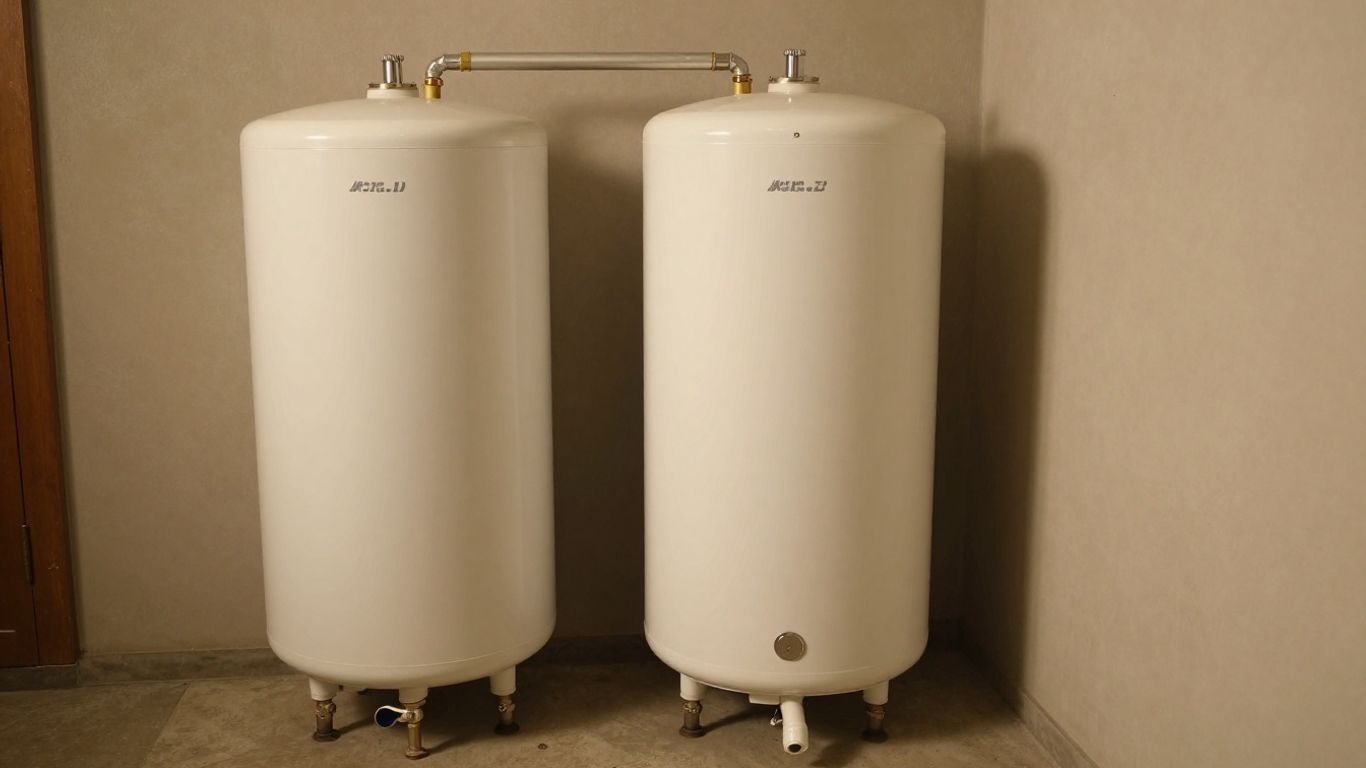
Comparing these systems requires more than looking at the purchase price. A storage tank offers a ready reserve and familiar installation, while a tankless model trades that reserve for on-demand heating and a smaller footprint. Your decision should account for both daily comfort and the full ownership cycle. A simple side-by-side view can help you identify which differences matter most in your home.
Comparing operating costs
Tankless units can reduce standby losses because they do not continually reheat a stored volume. That does not guarantee a lower bill, since energy rates, water use, efficiency, and maintenance all affect the result. A high-demand household may use significant energy even with an efficient unit.
The best estimate comes from your recent utility bills and realistic usage patterns. Avoid treating a general savings claim as a promise for your particular home.
Evaluating hot water capacity
A storage tank has a defined reserve that can be depleted and then reheated. A tankless unit has a rated flow and heating capacity that must be matched to simultaneous demand. One system may suit a family that uses a lot of water in a short window, while another may suit a smaller household with scattered use.
Write down which fixtures commonly operate together. That practical list is more useful than choosing based only on the number of people in the house.
Considering installation requirements
Replacing a storage tank may involve familiar water connections and a similar footprint. Switching to tankless may require venting changes, larger gas service, dedicated electrical circuits, condensate drainage, or a new mounting surface. Local permits and code requirements can add time and cost.
The installation path should be evaluated before you buy the appliance. A professional can identify hidden constraints that are difficult to spot from product dimensions alone.
Comparing lifespan and replacement cycles
Tankless systems may last longer when protected from scale and serviced properly, while storage tanks eventually face corrosion and vessel failure. Neither type is maintenance-free, and both can require replacement of smaller components along the way. The financial comparison should include service visits and the cost of eventual replacement.
Keep records of installation, repairs, flushing, and warranty dates. Those details make future troubleshooting easier and help you judge whether a repair is sensible.
Understanding warranty and maintenance differences
Warranties vary by component and may include different terms for residential and commercial use. Some conditions require professional installation, approved parts, water treatment, or documented maintenance. Read the exclusions as carefully as the headline coverage.
A warranty is not a substitute for routine care. Before purchasing, ask who will service the unit locally and what a normal maintenance visit includes.
How to determine the right system size
Sizing starts with demand, not household size alone. You need to consider how much water your fixtures use at the same time and how much the incoming water must be heated. Local groundwater temperature can make the same unit perform differently in different regions. A careful estimate helps you avoid both an underpowered system and unnecessary overspending.
Estimating peak hot water demand
List the fixtures and appliances you might use during your busiest period, then estimate their flow rates. A shower, faucet, dishwasher, and washing machine can create a very different demand profile from a single shower. Include occasional situations, such as guests visiting, if they are important to your comfort.
Do not size around an unusually quiet day. Peak demand is the moment when an undersized heater becomes most frustrating.
Matching flow rate to household fixtures
Add the flow rates of fixtures likely to operate together and compare that total with the heater’s output at your target temperature. Manufacturer ratings may vary with temperature rise, so read the performance information rather than relying on a single headline number. Low-flow fixtures can reduce demand and expand your options.
A professional can also check whether the actual water pressure and piping support your expectations. The unit is only one part of the delivery system.
Choosing the correct temperature rise
Temperature rise is the difference between the incoming cold-water temperature and the temperature you want at the fixture. Colder incoming water requires more heating capacity. A unit that works well in a warm climate may need a larger capacity or different configuration in a colder one.
Set a realistic target rather than choosing an unnecessarily high temperature. Higher settings can increase scalding risk and may not improve everyday comfort.
Accounting for cold climate conditions
Winter groundwater temperatures can substantially increase the work required from the heater. You should use the coldest reasonable incoming-water temperature for your area when comparing performance. Insulated pipes and thoughtful routing can also help reduce heat loss between the unit and the fixture.
If your climate has severe winters, ask for calculations based on local conditions rather than a mild-season estimate. That is where generic sizing advice often falls short.
Knowing when multiple units may be necessary
Multiple units can make sense in a large home, a property with separated plumbing zones, or a household with unusually high simultaneous demand. They may also reduce the distance between the heater and distant fixtures. However, additional equipment means more purchase cost, installation work, controls, and maintenance.
Before accepting a multi-unit proposal, compare it with a larger central unit, a staged design, or a hybrid approach. The simplest configuration that meets your actual demand is usually easier to own.
Installation, maintenance, and operating requirements
Tankless performance depends heavily on the conditions around the heater. Fuel delivery, electrical capacity, water quality, venting, drainage, and service access all matter. Installation is therefore not a straightforward appliance swap in every home. Planning these details before purchase can make the project faster and reduce unexpected costs.
Gas line, venting, and electrical needs
Gas models may need a larger supply line and specialized venting, while electric models can require dedicated high-amperage circuits. Both types need correct water connections, shutoffs, clearances, and safe access for service. Condensate drainage may also be required for some gas installations.
A licensed professional should inspect the proposed location and confirm local code requirements. Pro US Plumbers is a referral service: it puts your request in front of independent plumbers who work nearby.
Water treatment for hard-water areas
Hard water can leave mineral deposits in the heat exchanger and other components. If your area has high mineral content, filtration or water treatment may reduce buildup, although the right approach depends on the water chemistry and the rest of your plumbing system.
Test the water or ask a professional for guidance before buying treatment equipment. An unnecessary system adds expense, while ignoring severe scale can shorten service intervals.
Recommended maintenance schedule
Maintenance commonly includes flushing the heat exchanger, checking filters and connections, inspecting venting where applicable, and testing safety controls. The interval should follow the manufacturer’s instructions and reflect your water quality and usage. Homes with hard water may need more frequent service.
A simple maintenance plan can include these practical steps:
- Keep the area around the heater clear and dry.
- Watch for changes in flow, temperature, or unusual noises.
- Schedule flushing according to water conditions and manufacturer guidance.
- Record service dates, parts replaced, and any error codes.
These habits do not replace professional service, but they can help you notice a developing problem before it becomes a no-hot-water emergency.
Temperature and safety settings
Many households can be comfortable at a moderate water temperature, which also reduces scalding risk and energy demand. Follow the manufacturer’s instructions when adjusting controls, and consider anti-scald protection where appropriate. Children, older adults, and anyone with limited mobility may be especially vulnerable to burns.
Never bypass safety devices to force more heat or flow. If the system repeatedly shuts down, displays an error, or produces unstable temperatures, arrange an inspection.
Professional installation considerations
A qualified installer should verify sizing, utilities, venting, water connections, permits, drainage, and startup settings. The work should also leave adequate access for future flushing and component replacement. A neat installation is not just cosmetic; it can make routine service safer and less expensive.
When you are comparing estimates, ask what is included and when the plumber can arrive. Pro US Plumbers can put your job in front of independent plumbers locally.
When a tankless water heater makes sense
A tankless system can be a strong fit when its benefits line up with your daily routine and the home can support the installation. It is less compelling when the utility upgrades are extensive, demand is highly concentrated, or a dependable stored reserve matters more than floor space. Your decision should reflect how you live, not just the technology’s reputation. A quick review of common situations can clarify the choice.
Homes with limited storage space
If your utility closet, basement, or garage is crowded, a wall-mounted unit may free meaningful floor area. This can be especially useful in smaller homes, accessory dwelling units, or renovations where every square foot has a job. Measure service clearances and utility pathways before assuming any wall will work.
The compact appliance still needs safe access and compatible connections. Space savings are valuable only when the complete installation fits properly.
Households with high or inconsistent hot water use
Tankless heating may suit households that use hot water at irregular times or want to avoid exhausting a tank during back-to-back showers. It can also work well when demand is moderate but spread throughout the day. High simultaneous demand requires careful sizing and may call for multiple units.
Track your actual habits for a week. That small exercise can reveal whether your main problem is insufficient reserve, excessive simultaneous flow, or simply long waits at distant fixtures.
New construction and major renovations
New construction gives you more freedom to plan gas, electrical, venting, piping, and equipment location from the start. A major renovation may offer a similar opportunity if walls and utilities are already being opened. Integrating the heater into the broader design can reduce the cost of retrofits.
During planning, compare the full project estimate with the cost of replacing a storage tank in the existing location. The best time to choose a system is before the surrounding work is finished.
Vacation homes and smaller households
A smaller household with intermittent use may benefit from avoiding the standby heating associated with a storage tank. A vacation property may also have different priorities, such as compact equipment and efficient operation between visits. However, freeze protection, electricity availability, and remote monitoring needs should be considered.
If the property sits unused for long periods, ask how the system should be shut down and protected. Follow the manufacturer’s instructions rather than improvising a winterization routine.
Situations where a storage tank may be better
A storage tank may remain the better choice when you need a simple replacement, already have compatible connections, or regularly use several hot-water fixtures at once. It can also be practical when the project budget cannot absorb utility upgrades. Familiar operation and a readily available reserve may outweigh the tank’s space and standby-energy drawbacks.
Pro US Plumbers only makes the introduction; the price, timing and the work itself are agreed directly with the plumber you choose. For a planned replacement, take more time to compare both system types against your home’s real constraints.
Related articles
Anode rod water heater replacement: A step-by-step guide to protecting your tank and Gas line plumbing: A complete guide to safe installation, repair, and maintenance cover other plumbing questions you may run into.
Further reading
For more background, see the EPA on how households use water and the NFPA carbon monoxide safety. It is also worth reading the International Code Council and the IAPMO, which publishes the Uniform Plumbing Code. You can find more detail from the USGS explanation of water hardness and the FTC consumer advice. For further reading, see the National Association of Home Builders.
If you would rather not sort this out alone, Water heater repair and installation and independent local plumbers in your area can contact you directly.
Fixtures and appliance plumbing (faucets, showers, disposals) and Pricing guide: how plumbers charge and how to get a fair written quote may also be useful before you decide.
Request form: describe the problem so independent local plumbers can contact you and Where requests can be sent from: states and metros may also be useful before you decide.
About: how this referral service works and All plumbing service lines may also be useful before you decide.
Home: request a local plumber may also be useful before you decide.
Conclusion
The best tankless water heater is not automatically the most efficient or modern option; it is the one that matches your demand, utilities, water quality, budget, and maintenance expectations. Review the complete installation cost, size for peak use, and compare the long-term ownership picture with a storage tank before deciding.
Frequently Asked Questions
Do tankless water heaters provide unlimited hot water?
They can continue heating water as long as fuel or electricity is available, but their flow and temperature capacity are limited. Several fixtures running at once can exceed the unit’s output.
Are tankless water heaters more energy efficient than tanks?
They can use less energy by avoiding much of the standby loss associated with storing hot water. Actual savings depend on household demand, energy prices, equipment efficiency, and maintenance.
How long do tankless water heaters usually last?
A properly installed and maintained unit may last longer than many storage tanks, but service life varies with water quality, usage, installation, and component wear. Manufacturer guidance and maintenance records matter.
Do tankless water heaters need regular maintenance?
Yes. Flushing, inspection, filter care, and safety checks may be needed, particularly in hard-water areas. Follow the manufacturer’s schedule and adjust it when local water conditions require more frequent service.
Can a tankless heater supply multiple bathrooms?
It can if the unit or system is sized for the expected simultaneous flow and temperature rise. Large households may need a higher-capacity unit, multiple units, or a different configuration.
Why does hot water still take time to reach a distant faucet?
The heater can warm water on demand, but the cold water already sitting in the pipe must travel to the fixture first. Pipe distance and layout determine much of that wait.
Is a tankless water heater worth the higher upfront cost?
It may be worthwhile when space savings, reduced standby heating, and long-term use fit your priorities. A storage tank may be the better value when installation upgrades are expensive or your household needs a large reserve at once.