Gas line plumbing: A complete guide to safe installation, repair, and maintenance
Pro US Plumbers ·
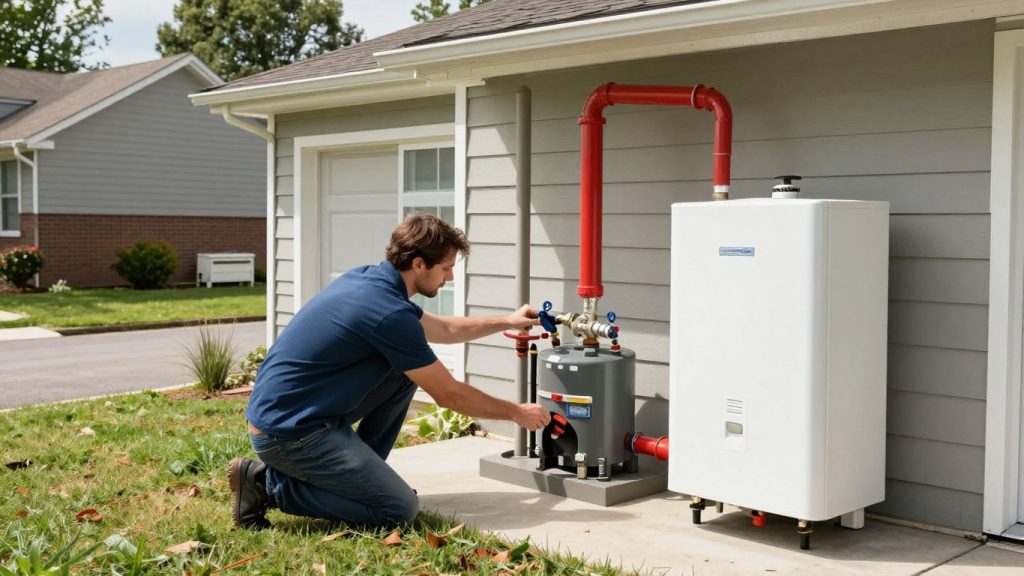
In this article
Key Takeaways
Gas line plumbing affects fuel delivery, appliance performance, and household safety. Whether you are planning an installation or responding to a suspected leak, the safest decisions begin with a licensed professional and clear information about the work.
- Gas piping must be sized, routed, connected, and tested according to local requirements.
- Odors, hissing sounds, damaged fittings, and appliance changes can signal a problem.
- A licensed plumber should handle gas line installation, repair, replacement, and pressure testing.
- Permits, access, excavation, materials, and the number of appliances all affect project cost.
- If you smell gas, leave the property and contact your gas utility or emergency services from a safe location.
Understanding gas line plumbing systems
Gas line plumbing is the network that carries fuel from a utility connection or storage source to appliances in your home. The system must deliver the right volume at the right pressure while remaining sealed at every joint and transition. Understanding the basic arrangement helps you ask better questions before work begins.
What gas lines are and how they work
A gas line carries fuel through approved piping to equipment such as a range, furnace, water heater, dryer, or fireplace. Regulators and appliance controls help manage pressure, while shutoff valves allow individual fixtures or the entire system to be isolated. Because a leak can create a fire or explosion hazard, sound connections and testing matter more than a quick visual installation.
Gas piping is not a do-it-yourself substitute for ordinary water piping. A qualified plumber evaluates the existing system, confirms the appliance demand, and follows the rules that apply in your jurisdiction.
Common fuel types and piping materials
Natural gas is commonly supplied through a utility network, while propane may come from a tank or cylinder and has different equipment and installation requirements. Piping may include approved steel, corrugated stainless steel tubing, or other materials accepted by local code and the equipment manufacturer. The correct choice depends on fuel type, pressure, location, exposure, and the approved connection method.
You should not assume that an older pipe is acceptable simply because it has worked for years. Corrosion, incompatible fittings, physical damage, or an unapproved alteration can make an otherwise familiar system unsafe.
How gas lines connect to household appliances
A typical appliance connection includes a branch line, a shutoff valve, an approved connector where permitted, and a fitting designed for that specific equipment. The appliance must also be adjusted for the fuel it uses and installed with the required clearances and ventilation. A connection that appears tight may still be improperly sized or unsuitable for movement, heat, or vibration.
When you add or move an appliance, have the whole branch evaluated rather than assuming the nearest pipe can support it. A plumber may need to check capacity, routing, valve access, and combustion-air requirements before connecting the equipment.
The difference between interior and exterior gas piping
Interior piping is protected from weather but must be routed to avoid impact, heat, concealed hazards, and inaccessible joints. Exterior piping faces moisture, soil movement, sunlight, landscaping work, and accidental strikes, so protective coatings, supports, burial depth, and transition points require careful attention.
Underground work also introduces locating and excavation concerns. Before digging for a new run or repairing one outdoors, you need utility-locate information and a plan that protects existing services.
Planning a gas line installation
A new gas line project should begin with the appliance plan, not with a guess about where pipe can be placed. You will need to consider fuel type, appliance load, route, access, permits, and future service. A licensed plumber can turn those practical details into a safe scope of work and explain the expected process before dispatch.
When a new gas line may be needed
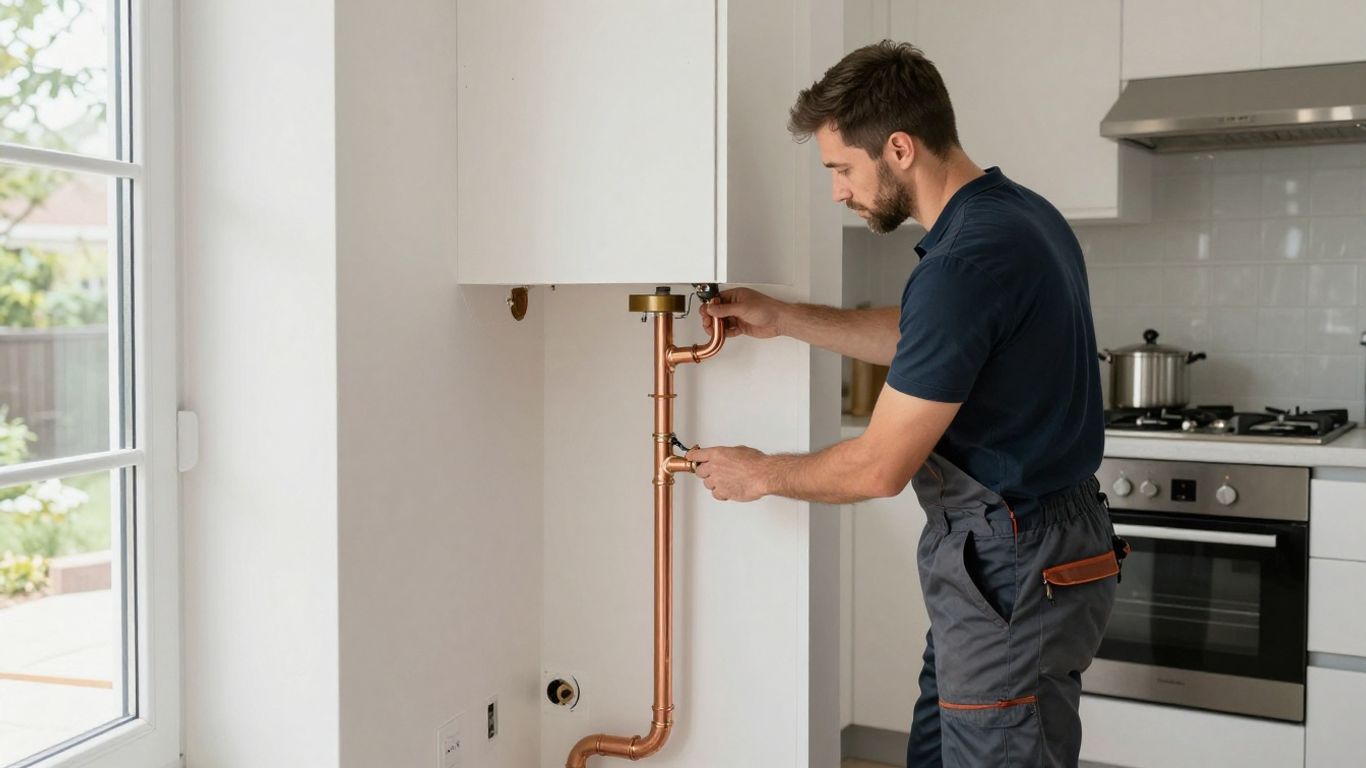
You may need new piping when you add a gas range, water heater, fireplace, dryer, outdoor grill, pool heater, or other approved appliance. A remodel may also require relocating an existing branch line, while a conversion from electric equipment may require a new route, meter review, or utility coordination. For a planned project, American Gas Association can be considered alongside the appliance and renovation schedule.
Do not choose the route solely by convenience. The shortest path may pass through an unsuitable space, create difficult access, or fail to leave room for future maintenance.
How to determine pipe sizing and capacity
Pipe sizing depends on the fuel, system pressure, pipe material, developed length, fittings, and combined demand of the appliances served. A plumber considers the connected load and whether other equipment may run at the same time. If a new appliance exceeds the capacity of the existing branch or supply, simply attaching it can lead to poor operation and unsafe conditions.
The sizing discussion should include both current and planned appliances. Ask whether the proposed design leaves reasonable capacity for future changes without encouraging an oversized or unnecessarily complicated system.
Permits, inspections, and local code requirements
Many jurisdictions require a permit and inspection for new gas piping, appliance connections, or alterations to an existing system. Requirements can vary by city, county, fuel type, building classification, and whether the work is interior, exterior, or underground. Your plumber should explain who obtains the permit and what must be available for inspection.
Keep the permit record, inspection result, appliance documentation, and pressure-test information with your property records. These details can help with future repairs, renovations, insurance questions, or a sale.
Choosing the right location and route
The route should protect the pipe from impact and excessive heat while keeping shutoff points accessible. It should also minimize unnecessary joints and avoid areas where later drilling, nailing, landscaping, or structural work could damage the line. Planning access now can make future servicing faster and less disruptive.
Use the following questions to compare proposed routes with your plumber:
- Can every required shutoff valve be reached without removing finished surfaces?
- Does the route avoid likely damage from vehicles, storage, landscaping, and future remodeling?
- Are supports, sleeves, protective measures, and transitions appropriate for the location?
- Does the design account for current appliance demand and likely future additions?
The best route is not always the shortest one. It is the route that combines capacity, protection, code compliance, and practical service access.
Recognizing gas line problems
Gas line problems can appear as an odor, a sound, a change in appliance performance, or a sudden alarm. Some signs are obvious, while others are easy to dismiss as an aging appliance. Treat a suspected leak as a safety issue first, and postpone troubleshooting until the area has been assessed safely.
Warning signs of a gas leak
A rotten-egg or sulfur-like odor may indicate that an odorant has been added to the fuel, while hissing near a pipe, valve, or fitting can suggest escaping gas. You may also notice an unexplained rise in fuel use or a nearby appliance that suddenly behaves differently. Do not search for the leak with a flame, switch electrical devices, or remain inside to investigate.
If the odor is strong or you hear escaping gas, leave immediately and contact the utility or emergency services from outside. A professional can then determine whether the source is the piping, a connector, a valve, or the appliance itself.
Symptoms of damaged or failing pipes
Visible corrosion, dents, loose supports, damaged protective coverings, or disturbed underground areas deserve attention even when no odor is present. Water intrusion, construction activity, pests, and soil movement can affect exterior or concealed sections. A line that has been struck or exposed should be evaluated before the appliance is used again.
A change in the appearance of fittings or pipe surfaces does not identify the exact risk by itself. It does, however, provide a reason to arrange an inspection rather than waiting for a leak.
Appliance performance issues linked to gas lines
A weak or discolored flame, repeated burner shutdown, delayed ignition, odd appliance noises, or an appliance that no longer heats properly may have several possible causes. Gas pressure, supply capacity, ventilation, controls, and the appliance itself all need to be considered. Poor performance should not be corrected by adjusting valves or regulators without proper testing.
For general service planning, you can review NFPA carbon monoxide safety when thinking about appliances that depend on properly installed and maintained fuel lines. The specific diagnosis still requires an on-site assessment.
When a carbon monoxide alarm requires immediate action
Carbon monoxide is odorless, so an alarm must never be dismissed as a gas-smell issue or a nuisance. If the alarm sounds, move everyone and pets outdoors immediately, call emergency services or the appropriate authority, and do not re-enter until responders say it is safe. Do not silence the alarm and continue using fuel-burning equipment.
The source may be an appliance, venting problem, chimney, garage exposure, or another combustion issue rather than the gas line itself. A qualified investigation should identify the cause before equipment is returned to service.
Gas line repair and replacement
Repair work begins with making the system safe, isolating the affected area, and identifying the actual source of the problem. A visible fitting is not always the only damaged point, especially when corrosion or movement affects a longer run. The final decision should reflect condition, accessibility, code requirements, and the reliability of the remaining pipe.
How plumbers locate leaks and damaged sections
A plumber may use visual inspection, pressure testing, approved leak-detection methods, and careful isolation of sections to narrow the problem. The process can include checking appliance connectors, valves, unions, concealed routes, and outdoor transitions. The method chosen depends on the system design and the suspected location.
You should expect the diagnostic process to be explained before work expands. If emergency service is needed, Ready.gov on home fire safety is a useful service category to discuss while you are arranging a licensed professional.
When a repair is appropriate
A localized repair may make sense when the damaged section is clearly identified, the surrounding piping is sound, access is reasonable, and the repair can meet current requirements. The plumber may replace a fitting, connector, valve, or short section and then test the completed work. A repair should restore safe operation, not merely conceal the symptom.
Ask whether the proposed repair addresses the cause of the damage. For example, a recurring issue may involve movement, corrosion, unsupported piping, or an unsuitable connection that needs more than one replacement part.
When full line replacement is safer
Replacement may be the better option when corrosion is widespread, the pipe is obsolete or improperly installed, damage is concealed across multiple areas, or the existing layout cannot be brought into compliance economically. A complete replacement can also be appropriate when a remodel changes the appliance load or route substantially.
The recommendation should identify what will be removed, what new materials will be used, how surfaces or landscaping will be restored, and what testing will occur afterward. You deserve a clear explanation of why replacement is safer than repeated small repairs.
What pressure testing confirms
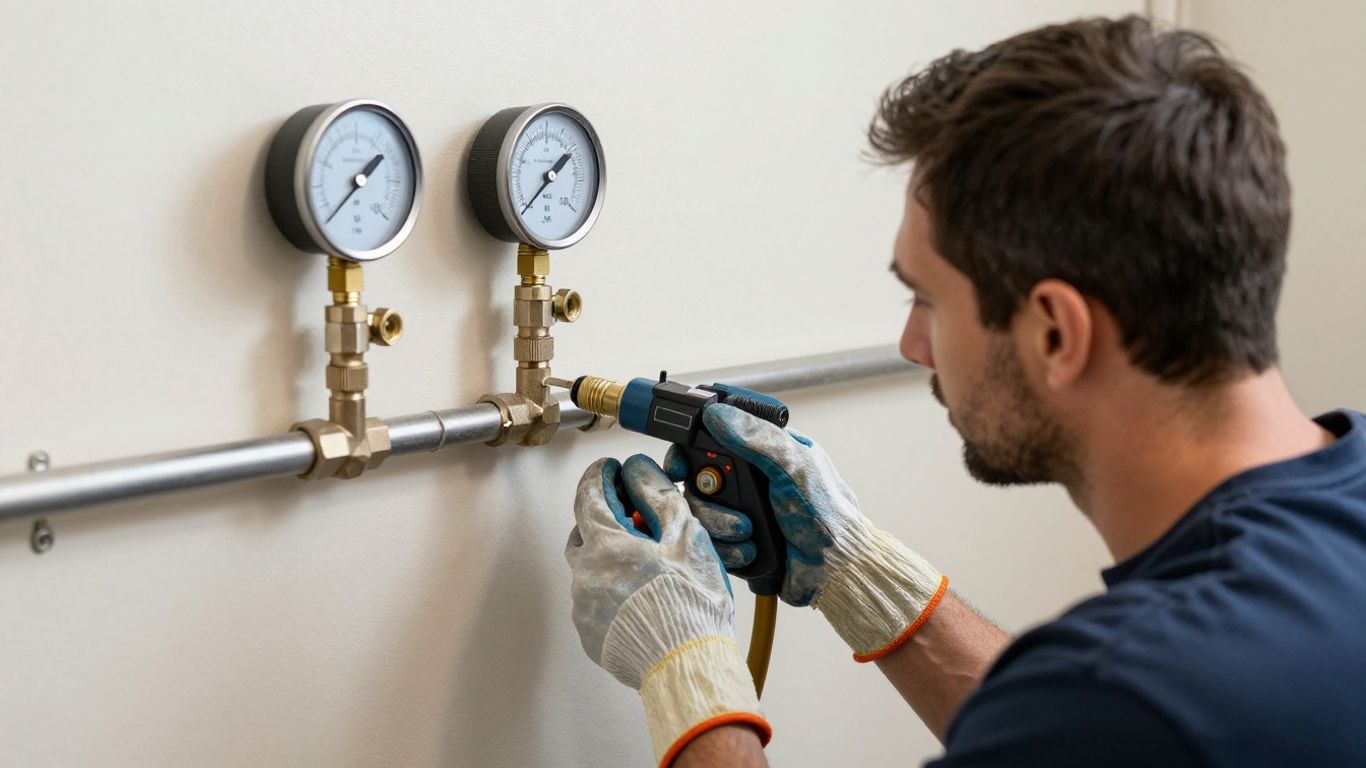
Pressure testing helps confirm that the piping holds the required pressure without an unacceptable drop under the test conditions. It is performed according to applicable code and project requirements, with appliances or components isolated as needed. A passing test supports the integrity of the tested section, but it does not replace correct installation, appliance inspection, or proper ventilation.
Keep the test result with the project records and ask which portions of the system were included. That distinction matters if an older branch, connector, or appliance was not part of the same test.
Gas line plumbing costs and service decisions
The cost of gas line plumbing depends on the actual work, not just the number of feet of pipe. A simple accessible connection can differ greatly from an underground replacement or a route through finished walls. Before approving service, you should understand the diagnostic charge, labor, materials, permit handling, restoration, and testing.
Factors that affect installation and repair prices
Price is shaped by pipe length, material, fittings, appliance count, access, excavation, wall or floor openings, fuel type, and required inspection. Emergency timing can also affect availability and labor arrangements. A written scope helps separate essential safety work from optional upgrades or finish restoration.
The fastest quote is not always the clearest quote. Pro US Plumbers connects homeowners with independent plumbers in their area. The plumbers you hear from are independent businesses, not employees or agents of ours, so confirm each one’s license and insurance yourself before you hire.
Comparing professional estimates
Compare estimates by scope rather than by the bottom-line number alone. One quote may include permits, pressure testing, appliance reconnection, and patching while another covers only the pipe installation. Ask each plumber to describe assumptions and exclusions in plain language.
A useful comparison includes these items:
| Estimate detail | Why it matters |
|---|---|
| Diagnostic or trip fee | Shows what you pay before repair begins |
| Pipe, fitting, and valve materials | Clarifies the proposed system and component quality |
| Permit and inspection handling | Identifies who coordinates required approvals |
| Testing and appliance startup | Confirms whether safe completion is included |
| Excavation or surface restoration | Prevents unexpected charges after access is opened |
Once the scopes match, you can compare price with much more confidence. If an estimate is vague about testing or access, ask for clarification before accepting it.
Why permits, excavation, and access change the cost
A pipe installed in an open utility area is usually easier to reach than one buried under a slab, driveway, landscaping, or finished walls. Excavation may require locating utilities, removing material, shoring, arranging access, and restoring the surface. Interior work can involve protection, demolition, patching, painting, and scheduling around occupants.
These factors do not necessarily indicate unnecessary upselling. They are often the physical steps required to reach, replace, test, and leave the property safe. A good estimate states them clearly.
Questions to ask a licensed gas plumber
Before work begins, ask who will perform the job, whether licensing and insurance apply to the work in your jurisdiction, and what permits are required. Confirm the planned materials, route, appliance load, testing procedure, and responsibility for restoration. Also ask when service can begin and what happens if concealed damage is found.
Pro US Plumbers is a referral service: it puts your request in front of independent plumbers who work nearby. That information is especially useful when you are comparing urgent service with a planned installation.
Keeping gas line systems safe
Safe gas piping depends on proper installation, sensible maintenance, and quick action when something changes. You do not need to dismantle the system to care for it; regular observation and timely professional service go a long way. Keep appliance manuals, inspection records, and shutoff locations accessible to everyone in the household.
Recommended inspection and maintenance practices
Have gas appliances and related piping evaluated when equipment is installed, modified, moved, or showing unusual behavior. Keep vents and combustion-air openings clear, follow manufacturer maintenance instructions, and never use an appliance that has been damaged or improperly connected. A professional inspection is also sensible after flooding, construction, a vehicle impact, or other physical event.
Routine care should match the system and local requirements rather than follow an arbitrary schedule. Ask your plumber what should be checked annually and what conditions require immediate service.
Protecting outdoor and underground gas lines
Keep vehicles, heavy equipment, and stored materials away from exposed piping. Before landscaping, fencing, planting, grading, or excavation, arrange for utility locating and confirm the planned digging area. Do not attach structures or hang objects from gas piping unless the installation specifically permits it.
Watch for soil erosion, settlement, exposed pipe, damaged coating, and new landscaping near underground routes. Report concerns instead of covering or moving the line yourself.
Safe appliance connections and shutoff valves
Every appliance should have an accessible shutoff valve and an approved connection suited to the equipment and location. Do not use a connector as a substitute for fixed piping, run it through walls or floors unless specifically permitted, or force a fitting into alignment. When replacing an appliance, have the connection inspected rather than reusing an unknown part.
Learn where the individual valves and main shutoff are located, but do not operate a valve repeatedly during a suspected leak. In an emergency, follow the utility’s instructions and leave the area if doing so is safe.
What to do if you smell gas or suspect a leak
Do not light matches, use a phone inside, operate switches, start a vehicle nearby, or try to locate the leak. Leave immediately, warn others as you move away if possible, and call the gas utility or emergency services from a safe location. Wait for qualified responders to declare the property safe before returning or restoring service.
Gas line plumbing is safest when warning signs receive prompt attention and installation decisions are made with the full system in view. When you need help, ask for a licensed, insured professional, a clear scope, an honest arrival estimate, and pricing information before work begins.
Related articles
Anode rod water heater replacement: A step-by-step guide to protecting your tank and Tankless water heater pros and cons: Is one right for your home? cover other plumbing questions you may run into.
Further reading
For more background, see the International Code Council and the IAPMO, which publishes the Uniform Plumbing Code. It is also worth reading the FTC consumer advice and the Better Business Bureau. You can find more detail from the Ready.gov on power outages.
If you would rather not sort this out alone, Gas line installation and repair and independent local plumbers in your area can contact you directly.
Emergency plumbing (burst pipes, active leaks, sewage backups) and Water heater repair and installation may also be useful before you decide.
Pricing guide: how plumbers charge and how to get a fair written quote and Request form: describe the problem so independent local plumbers can contact you may also be useful before you decide.
Where requests can be sent from: states and metros and About: how this referral service works may also be useful before you decide.
All plumbing service lines may also be useful before you decide.
Conclusion
A well-planned gas line system protects your appliances and your household by delivering fuel through correctly sized, approved, tested piping. Whether you are adding an appliance, investigating a warning sign, or replacing aging lines, clear communication with a licensed plumber helps you make a safer decision without surprises.
Frequently Asked Questions
How often should gas lines be inspected?
Have gas lines and appliances checked when they are installed, altered, damaged, or behaving unusually, and follow local requirements and manufacturer guidance for routine service. An inspection is also wise after flooding, construction, or an impact near the piping.
Can I install a gas line myself?
Gas line installation should be handled by a qualified, licensed professional familiar with local codes, permits, sizing, approved materials, and pressure testing. Improper work can create fire, explosion, combustion, or carbon monoxide hazards.
How do I know if a gas line is leaking?
A rotten-egg odor, hissing sound, unexplained fuel use, or appliance changes may indicate a leak, but you should not test the line yourself. Leave the property and contact the gas utility or emergency services from a safe location.
What should I do if my carbon monoxide alarm sounds?
Move everyone and pets outdoors immediately, call emergency services or the appropriate authority, and do not re-enter until responders say it is safe. Do not silence the alarm and continue using fuel-burning appliances.
Does adding an appliance require a new gas line?
It may. A professional must evaluate the existing pipe size, pressure, developed length, fittings, and combined appliance demand before deciding whether the current branch can support the equipment.
Is gas line repair or replacement better?
A localized repair may be suitable when damage is limited and surrounding piping is sound. Replacement may be safer when corrosion is widespread, the layout is defective, or the system cannot reasonably meet current requirements.
What affects the cost of gas line work?
Materials, pipe length, appliance count, access, excavation, permits, testing, emergency timing, and surface restoration can all affect price. Ask for a written scope that separates included work, fees, and possible additional charges.