Salty water from softener: causes, safety concerns, and effective fixes
Pro US Plumbers ·
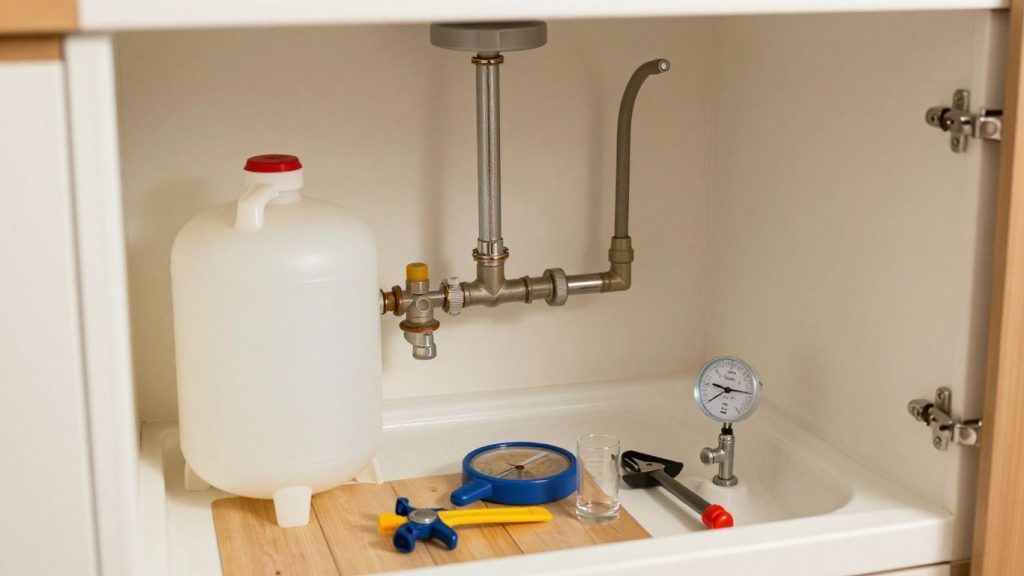
In this article
- Key Takeaways
- What salty water from a softener means
- Common causes of salty softened water
- How to troubleshoot the problem safely
- When salty water may indicate a serious issue
- How to fix salty water from a softener
- Is salty softened water safe to drink?
- How to prevent salty water problems
- Further reading
- Conclusion
- Frequently Asked Questions
Key Takeaways
A salty taste after softener regeneration usually points to leftover brine, not normal softened water. A few careful checks can help you identify whether the issue is local, temporary, or serious enough to call for professional help.
- A properly operating softener should not make water taste strongly salty.
- Interrupted regeneration, restricted flow, and blocked lines are common causes.
- Check whether the taste affects one faucet, hot water, or the whole home.
- Avoid drinking questionable water until you understand the cause.
- Use a qualified plumber when leaks, overflow, contamination, or repeated failures are involved.
What salty water from a softener means
Softened water contains more sodium than the incoming water because the softening process exchanges hardness minerals for sodium ions. That change is normally subtle and should not create a strong briny flavor. If you notice salty water from softener equipment, the system may not have completed its rinse properly, or the taste may be coming from somewhere else.
How a water softener changes water chemistry
Inside the softener, resin beads attract calcium and magnesium, the minerals responsible for hardness. During regeneration, a brine solution restores the resin, and the system should then flush the brine and displaced minerals to a drain. When that rinse is incomplete, residual brine can remain in the resin tank and reach your taps.
The difference between a salty taste and high sodium levels
Taste alone cannot tell you how much sodium is present. A sudden, concentrated salty flavor is more suggestive of a softener problem than the small sodium increase normally associated with ion exchange. If you need an exact answer, a laboratory test is more useful than relying on your palate.
General explanations of the ion exchange process can also help separate ordinary sodium content from a malfunction; this USGS explanation of water hardness offers useful background. The key point is that normal softened water and brine-contaminated water are not the same thing.
When the problem may come from another water source
Before taking the softener apart, check whether the taste is present at every fixture. A single faucet may have a dirty aerator, a cartridge problem, or stagnant water in a rarely used branch. If only hot water tastes unusual, the water heater or its plumbing deserves attention rather than the softener alone.
Why the timing of the salty taste matters
Notice whether the taste appears immediately after regeneration, only in the morning, or continuously. A short-lived change after a cycle may indicate incomplete flushing, while a persistent taste can point to a blocked drain, incorrect settings, or a valve problem. Writing down the timing gives you a clearer starting point for troubleshooting.
Common causes of salty softened water
Most causes involve the way brine enters, moves through, or leaves the softener. You can often narrow the possibilities without touching electrical components or changing several settings at once. Start with the recent history: a power outage, unusual water use, maintenance visit, or change in pressure may explain the first occurrence.
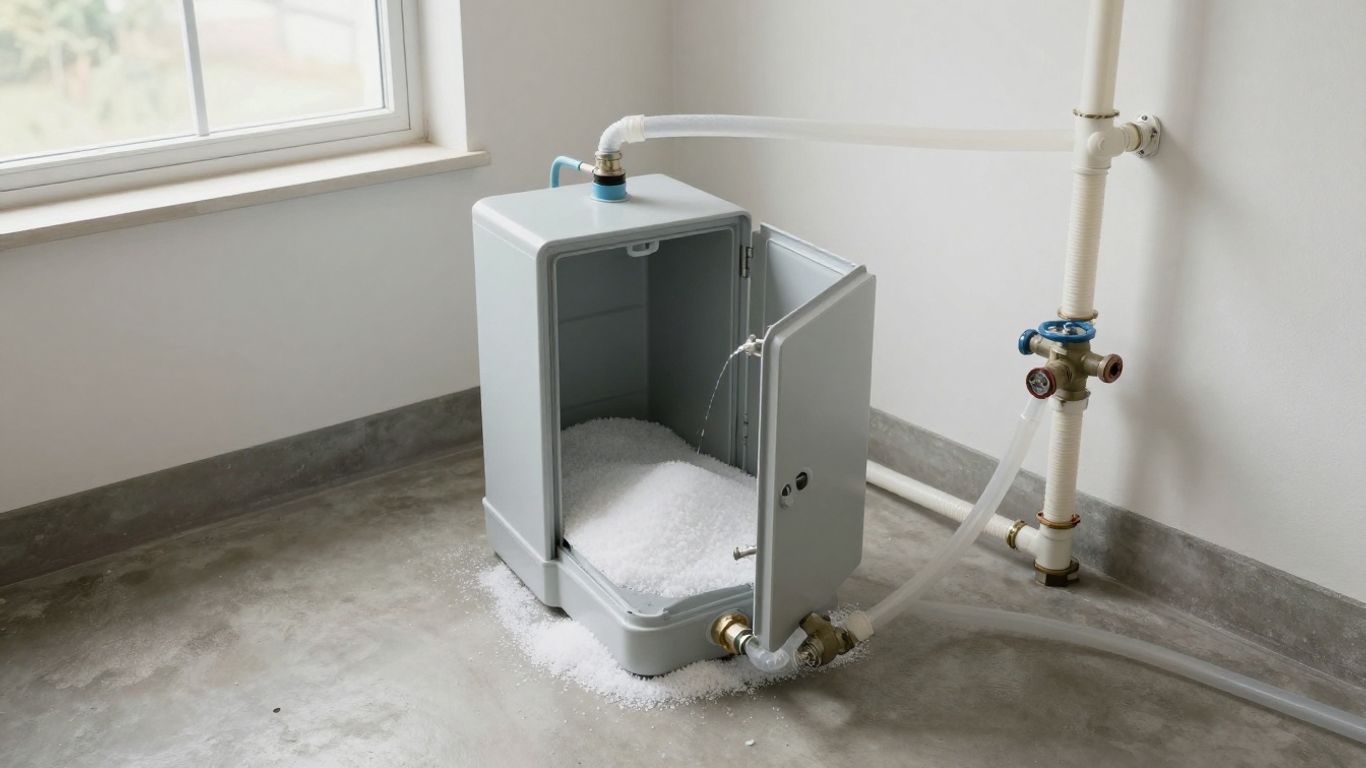
An incomplete regeneration or rinse cycle
A regeneration cycle has several stages, including brine draw and rinsing. If the cycle was interrupted by a power failure, a control error, or heavy water use, the resin may not have received a full rinse. In that situation, a manual cycle that completes without interruption may clear a one-time problem.
Low water pressure or restricted flow
The softener needs adequate flow to draw brine and send rinse water through the resin. Weak well pressure, a partially closed valve, a kinked tube, or a blocked flow control can interfere with those steps. Low pressure during regeneration may leave the system appearing to run while still producing poorly rinsed water.
A clogged injector, brine line, or drain line
Small passages are especially vulnerable to scale, grit, and sediment. A restricted injector may draw brine too slowly, while a clogged drain line may prevent the rinse water from leaving at the intended rate. A Water Quality Association can help you compare these common failure points before you decide whether service is needed.
Incorrect salt dosage or excessive brine draw
Adding more salt than the manufacturer specifies does not make a softener work better. A stuck float, an incorrect refill setting, or an inaccurate hardness setting can put too much water or brine into the cycle. The result may be a brine load that the normal rinse cannot remove efficiently.
A malfunctioning control valve or timer
The control valve directs water through each regeneration stage, and the timer determines when those stages occur. A worn seal, failed motor, or incorrect clock setting can interrupt the sequence or start it at an inconvenient time. If the issue returns after a complete manual regeneration, the control assembly may need professional diagnosis.
How to troubleshoot the problem safely
Troubleshooting should begin with observation rather than disassembly. You want to learn how broad the issue is, whether the tank looks normal, and whether the system is following its programmed sequence. If you see a leak, standing water, exposed wiring, or an overflowing tank, stop and arrange service instead of experimenting.
Check whether the issue affects every faucet
Run cold water at several fixtures, including one close to the softener and one farther away. Compare hot and cold water, and remove or rinse an aerator only if it is safe and easy to do. This simple comparison can distinguish a house-wide softener issue from a fixture-specific problem.
Inspect the brine tank and salt level
Look for an unusually high water level, a hard crust that bridges the salt, or salt packed against the tank walls. Do not force tools deep into the tank or reach into moving equipment. A visual check is enough to identify signs that the float or salt bed may need attention.
Verify the regeneration settings
Check the clock, hardness setting, capacity, regeneration time, and salt dose against the equipment instructions. Record the original values before changing anything. The table below gives you a practical way to connect an observation with a sensible next step.
| Observation | Possible cause | Safer first step |
|---|---|---|
| Salty taste after regeneration | Incomplete rinse | Let a full cycle finish and retest |
| High water in brine tank | Float or refill problem | Stop adjustments and arrange inspection |
| One faucet affected | Fixture or branch plumbing | Test another cold-water fixture |
| Weak flow during cycling | Low pressure or restriction | Check accessible valves and hoses |
Use the pattern rather than treating any single symptom as proof. If the same condition returns after a properly completed cycle, move from basic checks to qualified service.
Examine the drain and brine connections
Check accessible tubing for kinks, loose fittings, or obvious blockages. Never disconnect a pressurized line, bypass a safety feature, or put your hands near moving valve parts. The drain must discharge freely, and the brine line must remain securely connected for the cycle to work as designed.
Test the water before making major adjustments
A basic sodium or water-quality test can establish whether the taste reflects a meaningful change or another contaminant. Test a cold tap supplied by the softener and, if possible, an unsoftened source for comparison. Keep the results with your notes so a plumber can see what changed rather than guessing from taste alone.
When salty water may indicate a serious issue
A salty taste is not always an emergency, but it deserves more attention when it is strong, persistent, or paired with other changes. Overflow, leaks, discolored water, unusual odors, and loss of pressure can signal a broader plumbing or equipment failure. Treat uncertain water cautiously until you know what is entering the supply.
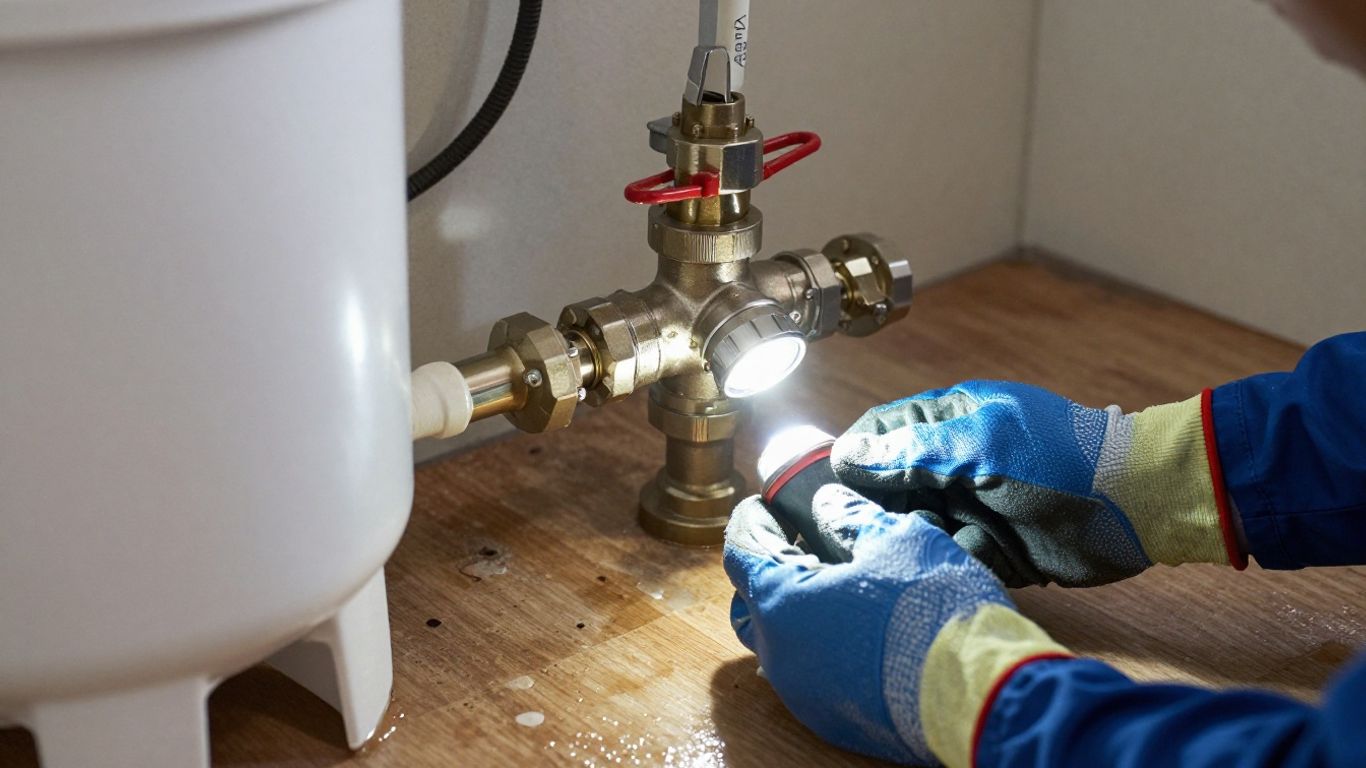
Signs of a failed regeneration cycle
You may notice the taste directly after the scheduled cycle, a softener stuck on one stage, or no clear discharge at the drain. Repeated failed cycles can leave brine in the tank and gradually affect the household supply. Do not keep forcing manual cycles if the valve makes unusual noises or fails to advance.
Symptoms of brine tank overflow
Water around the tank, a rising water level, wet flooring, or a float that does not move normally deserves prompt attention. Overflow can damage nearby materials and may indicate a failed refill control or blocked drain. Shut off the softener water supply if you can do so safely, then protect the area from further damage.
How iron, sediment, or contamination can affect taste
Not every unpleasant taste is salt. Iron can create a metallic flavor, sediment can make water seem earthy or gritty, and contamination can produce unusual odors or discoloration. If taste changes occur alongside illness, sewage odors, cloudiness, or a known supply problem, use another safe water source and seek testing promptly.
Situations that require shutting off the softener
Bypass or shut off the unit when it is leaking, overflowing, making a sharp mechanical noise, or sending visibly abnormal water into the home. Follow the equipment instructions and avoid opening electrical covers. If you cannot identify the shutoff or bypass safely, leave the equipment alone and call for help.
When to contact a qualified water treatment professional
Contact a professional when the salty taste persists after a complete cycle, the tank overflows, or you find a blocked component you cannot safely service. Pro US Plumbers connects homeowners with independent plumbers in their area. The plumbers you hear from are independent businesses, not employees or agents of ours, so confirm each one’s license and insurance yourself before you hire.
How to fix salty water from a softener
The right fix depends on what your checks reveal. A completed cycle may solve a one-time interruption, while a recurring problem usually requires cleaning, replacement, or a settings correction. Make one change at a time and flush the lines before deciding whether the repair worked.
Run a manual regeneration cycle
If the unit is not leaking and the manufacturer permits manual regeneration, start the cycle and allow every stage to finish. Avoid using large amounts of water during the process. Afterward, run cold water at several fixtures until the taste clears, then retest rather than assuming the issue is resolved.
Clean the brine tank and salt bridge
A salt bridge can leave the tank appearing full while preventing the correct amount of salt from dissolving. Follow the manufacturer’s cleaning instructions, use only suitable tools, and do not chip aggressively against the tank. If the tank contains excessive water or hardened buildup that will not clear, professional service is safer.
Flush the household plumbing
Once the softener has completed a successful cycle, flush cold water through several fixtures, beginning with taps nearest the unit. Remove and clean aerators afterward if sediment has collected there. Flushing can remove residual brine from household lines, but it will not correct a softener that continues to add brine.
A useful video can help you identify the general parts of a softener, but it cannot replace the instructions for your specific model. If the taste returns after flushing, focus on the underlying flow, valve, or programming problem.
Repair or replace blocked components
An injector, brine line, drain line, flow control, or valve seal may need cleaning or replacement. Some parts are accessible, but forcing a fitting or using the wrong replacement can create a leak or alter the cycle. Have a qualified technician handle components that require pressure isolation, specialized tools, or electrical testing.
Reprogram the softener for household water use
Hardness, household size, water use, and regeneration timing all affect the settings. Use measured water data and the manufacturer’s instructions rather than guessing at a higher or lower salt dose. Pro US Plumbers is a referral service: it puts your request in front of independent plumbers who work nearby.
Is salty softened water safe to drink?
Normally softened water has a modest sodium increase, not a concentrated brine taste. A strong or sudden salty flavor means you should investigate the equipment before treating the water as ordinary. Health needs also vary, so a person with a sodium restriction should discuss the household water source with a clinician.
How much sodium softened water can contain
The amount depends largely on the hardness removed during ion exchange and the original water chemistry. Taste cannot provide a reliable measurement, and a malfunction can produce a very different result from normal operation. If sodium intake matters to you, use a water test and ask your healthcare professional how to interpret it.
Who should limit sodium in drinking water
People following a medically prescribed low-sodium diet, including some people with heart, kidney, or blood-pressure conditions, may need to limit sodium from all sources. Infants and medically vulnerable household members also warrant extra caution. Ask a clinician whether an unsoftened tap or additional treatment is appropriate for your home.
Using a reverse osmosis system for drinking water
A properly maintained reverse osmosis system can be installed at a drinking-water point to reduce dissolved substances, including sodium. It requires suitable filters, correct installation, and regular maintenance. Do not assume that any filter removes sodium; check the product specifications and replace components on schedule.
Choosing an unsoftened tap for cooking and drinking
Some homes keep one cold-water line unsoftened for drinking and cooking. That arrangement can reduce sodium exposure while allowing softened water to serve fixtures and appliances. Confirm that the tap is genuinely supplied before the softener, especially if your plumbing has been altered over time.
When laboratory water testing is recommended
Laboratory testing makes sense when the taste persists, a private well is involved, the household has health concerns, or you suspect contamination. Ask for a test suited to your water source and the symptoms you observed. Keep the report available if you arrange a repair, since it can prevent unnecessary adjustments.
How to prevent salty water problems
Prevention is mostly routine care and accurate settings. You do not need to inspect every internal component constantly, but you should notice changes in salt use, water level, pressure, and regeneration behavior. A small maintenance habit can prevent a brine problem from becoming a flooring or plumbing problem.
Maintain the brine tank on a regular schedule
Inspect the tank periodically for bridging, unusual water levels, crusting, and leaks. Keep the area around it dry and accessible so a small problem is easier to see. Follow the equipment’s cleaning schedule instead of waiting until the water tastes abnormal.
Use the correct type and amount of softener salt
Use the salt type specified for your equipment and avoid adding extra salt to compensate for a suspected malfunction. Store bags where they stay dry, and do not allow spilled salt to collect around valves or connections. Correct material and dosage support consistent brine preparation.
Keep regeneration settings properly calibrated
Review settings after changes in household size, water use, hardness, or well conditions. Check the clock after power outages and confirm that the regeneration schedule is practical for your home. Accurate programming reduces both incomplete cycles and unnecessarily heavy brine use.
Replace worn parts before they fail
Seals, tubing, floats, injectors, and control components can wear gradually. Watch for damp connections, unusual cycling sounds, slow brine draw, or a change in salt consumption. Replacing a small worn part early is usually less disruptive than responding to an overflow or house-wide taste problem.
Schedule periodic water quality testing
Testing gives you a baseline for sodium, hardness, iron, and other concerns relevant to your source. Compare future results with that baseline when the taste or appearance changes. Regular testing is especially helpful for private wells and homes with residents who have medically restricted diets.
Related articles
Anode rod water heater replacement: A step-by-step guide to protecting your tank and Plumbing inspection checklist: A step-by-step guide for homeowners and property managers cover other plumbing questions you may run into.
Further reading
For more background, see the NSF International and the EPA secondary drinking water standards for nuisance chemicals. It is also worth reading the EPA guidance on protecting your home's water and the EPA on how households use water. You can find more detail from the International Code Council and the IAPMO, which publishes the Uniform Plumbing Code.
If you would rather not sort this out alone, Water filtration and softeners and independent local plumbers in your area can contact you directly.
Water heater repair and installation and Pricing guide: how plumbers charge and how to get a fair written quote may also be useful before you decide.
Request form: describe the problem so independent local plumbers can contact you and Where requests can be sent from: states and metros may also be useful before you decide.
About: how this referral service works and All plumbing service lines may also be useful before you decide.
Home: request a local plumber may also be useful before you decide.
Conclusion
A salty taste from softened water usually has a traceable cause, such as an incomplete rinse, restricted flow, or incorrect brine settings. Check the pattern carefully, avoid unsafe disassembly, and flush the plumbing only after the equipment has completed a proper cycle. When the issue persists or involves leaks, overflow, or questionable water quality, qualified help is the sensible next step.
Frequently Asked Questions
Should softened water taste salty?
Properly operating softened water may contain more sodium, but it should not have a strong briny taste. A sudden or persistent salty flavor usually deserves investigation.
Can a power outage cause salty water?
Yes. An outage can interrupt regeneration or reset the clock, leaving the rinse incomplete or causing the cycle to run at an unexpected time.
How long should you flush salty softened water?
Flush several cold-water fixtures after a successful regeneration, beginning near the softener. The exact time varies with the plumbing layout and the amount of residual brine.
Is water from an overflowing brine tank safe to drink?
Do not assume it is safe. Stop using the questionable water for drinking until you identify the cause, correct the overflow, and test or flush the system as appropriate.
Can low water pressure make a softener produce salty water?
Yes. Insufficient pressure can interfere with brine draw and rinsing, particularly during regeneration. Check for accessible restrictions, but use professional help for persistent pressure problems.
Should you bypass a softener that makes water taste salty?
Bypassing may prevent more questionable water from entering the household supply while you investigate. Follow the equipment instructions and use another safe source if the water quality is uncertain.
When should you call a plumber for salty water?
Call when the taste persists after a complete cycle, the tank leaks or overflows, the valve will not advance, or you suspect contamination. Professional help is also appropriate when you cannot safely inspect the connections.