Plumber toilet repair: A complete guide to diagnosing problems and choosing the right fix
Pro US Plumbers ·
In this article
- Key Takeaways
- Understanding common toilet problems
- Diagnosing the source of the problem
- Safe toilet repairs homeowners can try
- When to call a professional plumber
- What to expect from professional toilet repair
- Toilet repair costs and service decisions
- Further reading
- Conclusion
- Frequently Asked Questions
Key Takeaways
A toilet problem is easier to manage when you identify the symptom, shut off water when necessary, and avoid forcing a repair beyond your skill level.
- A plunger can resolve some clogs, but repeated backups may point to a drain or vent problem.
- Running toilets commonly involve a worn flapper, a faulty fill valve, or an incorrect water level.
- Water around the base deserves prompt attention because the wax ring or flooring may be involved.
- A professional plumber can test the fixture, trace hidden leaks, and use specialized drain equipment.
- Ask about arrival timing, diagnostic fees, parts, labor, and the total price before work begins.
Understanding common toilet problems
Toilet trouble usually starts with a noticeable change: a flush that feels weaker, a tank that refills on its own, or water that appears where it should not. Some problems are minor and manageable at home, while others signal a drain, vent, or supply-line issue. Learning the difference helps you respond quickly without turning a small repair into water damage. The EPA WaterSense showerhead information available online can also help you compare common symptoms before requesting service.
How to identify clogs, slow drains, and backups
A complete clog leaves water rising in the bowl after you flush, while a partial clog may drain slowly or cause the water level to fluctuate. Gurgling, bubbling, or water backing up into a nearby tub can suggest that the restriction extends beyond the toilet trap. Stop flushing if the bowl is filling, and close the shutoff valve if the water level continues to rise.
A plunger is reasonable for a simple, isolated clog. If plunging does not restore normal drainage, or if several fixtures are slow at the same time, the problem may be farther down the branch drain or main sewer line.
What causes running and constantly refilling toilets
A toilet that runs after the flush is often losing water from the tank into the bowl. The flapper may be worn, the chain may be caught, or the fill valve may be allowing water to rise too high. You may hear intermittent refilling when the leak is small, but even a quiet leak can waste water over time.
Remove the tank lid and watch the cycle. If water reaches the overflow tube, the float or fill-valve adjustment deserves attention; if the level falls after the valve shuts off, the flapper or flush-valve seal is a more likely suspect.
Recognizing leaks around the tank, bowl, and base
Water on the floor can come from more than one place, so wipe the toilet dry before inspecting it. Look for moisture at the tank bolts, the tank-to-bowl connection, the supply-line fittings, and the base where the bowl meets the floor. A leak that appears only during a flush is different from one that continues while the toilet is unused.
Do not ignore a soft, stained, or swollen floor. A slow leak can travel beneath flooring and make the visible puddle seem smaller than the underlying damage. If you cannot identify the source quickly, shut off the supply and arrange an inspection.
When weak flushing points to a larger plumbing issue
A weak flush may result from a low tank water level, mineral buildup in the rim jets, or a flapper that closes too soon. It can also indicate a partial obstruction in the trap or drain. If the toilet has always flushed poorly, its design or installation may be part of the explanation; a sudden change deserves closer attention.
Notice what happens elsewhere in the bathroom. Gurgling drains, bubbles in the bowl, or a second fixture backing up at the same time point toward a shared drain or vent concern rather than a simple tank adjustment.
Diagnosing the source of the problem
Good diagnosis begins with observation rather than replacing the first part that looks old. You can often narrow the cause by watching when the symptom occurs, where water appears, and whether other fixtures are affected. Keep the shutoff valve accessible while you inspect, and avoid repeated test flushes when the bowl is already slow. Pro US Plumbers connects homeowners with independent plumbers in their area. The plumbers you hear from are independent businesses, not employees or agents of ours, so confirm each one’s license and insurance yourself before you hire.
Inspecting the flapper, fill valve, and flush valve
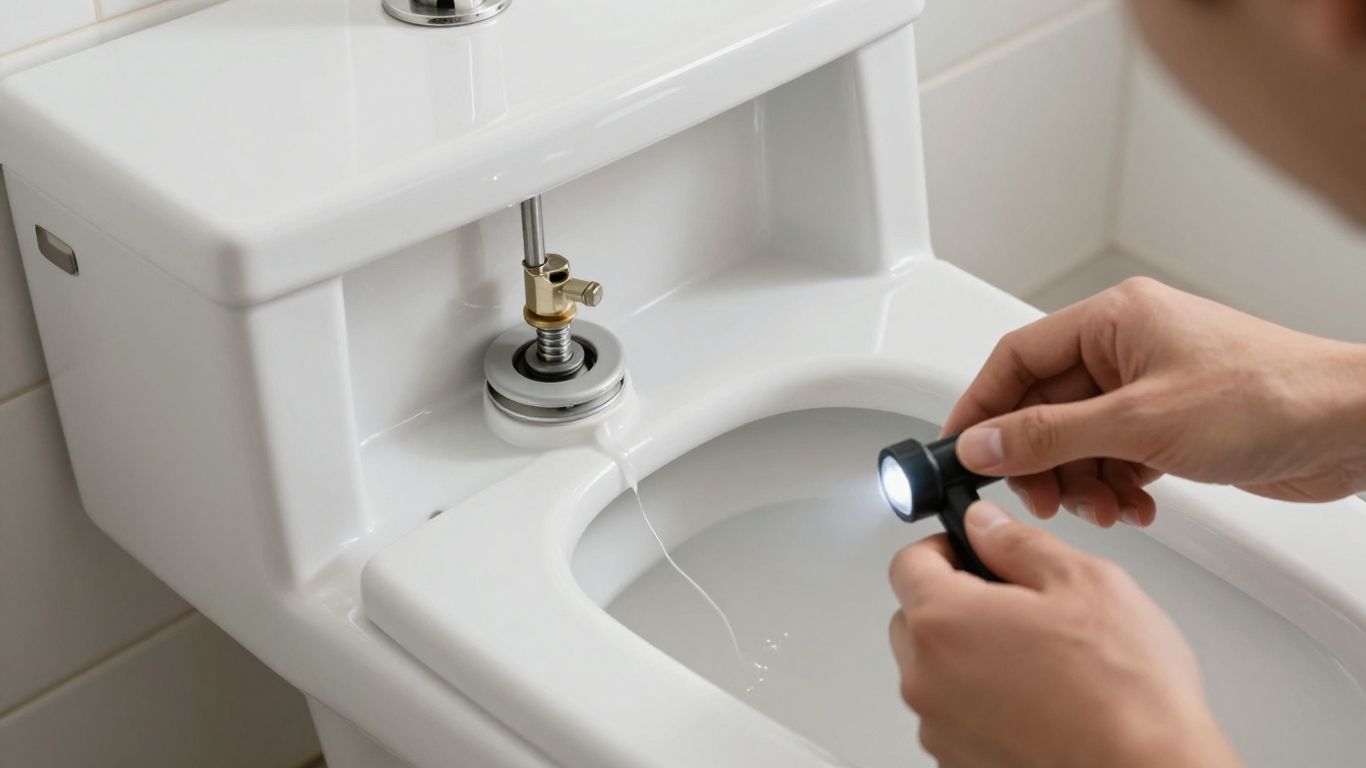
With the tank lid removed, check whether the flapper sits evenly over the opening and whether its chain has enough slack to close fully. A brittle, distorted, or waterlogged flapper is a common repair candidate. The fill valve should stop admitting water once the tank reaches its intended level, while the flush valve should open cleanly when you press the handle.
Make one change at a time and test the result. Replacing several parts without identifying the symptom can make it harder to tell what solved the problem and may introduce a new adjustment issue.
Checking the toilet supply line and shutoff valve
The supply line connects the wall valve to the bottom of the tank, and its fittings should be dry during normal operation. Feel around the connections with a tissue rather than tightening everything immediately; the tissue can reveal a slow seep that is difficult to see. Confirm that the shutoff valve turns smoothly and closes the water completely.
Older valves can leak at the stem or fail to stop the flow. Do not force a stuck valve, since excessive pressure can damage the connection at the wall. A plumber can replace the valve if it cannot be operated safely.
Distinguishing a tank leak from a bowl or floor leak
Add a few drops of food coloring to the tank without flushing and wait several minutes. Colored water appearing in the bowl indicates that water is passing through the tank seal, while moisture at the floor or supply connection requires a separate exterior inspection. Dry all surfaces first so you are not following old water.
The location and timing matter. A tank leak may continue between flushes, while a damaged wax ring often shows itself when the toilet is flushed or when the bowl shifts under normal use. Do not rock an unstable toilet to test it; movement can worsen the seal.
Identifying signs of a blocked drain or vent pipe
A blocked drain often affects the toilet’s ability to clear the bowl, while a blocked vent can produce gurgling, slow drainage, or an uneven water level as air struggles to move through the system. When sinks, tubs, or neighboring toilets share the same symptoms, the cause is less likely to be a single tank component. Sewage odor is another reason to stop treating the problem as a routine adjustment.
Use the pattern of symptoms to decide how far to troubleshoot. A drain auger, inspection camera, or roof-level vent assessment may be needed, and those tools are better handled by someone who knows how the plumbing is configured.
Safe toilet repairs homeowners can try
Small repairs are reasonable when you can shut off the water, work without force, and clearly see the part you are changing. Protect the floor with towels, keep a bucket nearby, and read the replacement part’s instructions before removing anything. If porcelain is cracked or a connection is corroded, stop rather than turning a manageable repair into a flood. The right International Code Council also matters, since aggressive or poorly fitted plunging can damage seals and spread dirty water.
Using a plunger without damaging the toilet
Choose a toilet plunger with a flange that fits into the drain opening; a flat sink plunger is less effective for this job. Add enough water to cover the rubber cup, position it squarely, and begin with gentle pushes to avoid splashing. Several controlled strokes usually work better than sudden force.
Once the water begins to drain, lift the plunger and wait. Test with a small amount of water first instead of immediately flushing repeatedly. If the bowl remains slow or the water returns, stop and call for help rather than pushing the obstruction deeper.
Adjusting the water level and float mechanism
The water line inside the tank should sit below the top of the overflow tube. Depending on the valve, you may adjust the level with a screw, clip, or float arm. Make a small adjustment, allow the valve to refill, and check whether the running sound stops.
A float that rubs the tank wall or catches on another component will not regulate the level reliably. Keep the adjustment modest, because a tank filled too high can send water continuously into the overflow tube and erase the benefit of the repair.
Replacing a worn flapper or fill valve
Turn off the supply and flush the toilet to empty most of the tank before removing a flapper. Match the replacement to the existing flush-valve opening and reconnect the chain with slight slack. For a fill valve, follow the manufacturer’s height instructions and confirm that the refill tube is secured above the overflow opening rather than pushed deep inside it.
After installation, test several cycles and inspect every connection. A part that fits physically may still be the wrong size or style, so return to the old component or its model information if the tank continues to run.
Tightening loose connections without cracking porcelain
Hand-tighten plastic nuts and then add only a small turn with pliers if needed. Porcelain can crack under concentrated force, and overtightening a tank bolt can create a leak that did not exist before the repair. Tighten each side gradually so the tank remains level.
Use a dry tissue to check the connection after a few minutes and again after a flush. If the fitting still seeps, replace the seal or connection instead of repeatedly tightening it. A cracked tank or bowl should not be repaired with pressure on the damaged area.
When to call a professional plumber
A professional is the safer choice when water cannot be controlled, the cause is hidden, or the symptom involves more than one fixture. Sewage exposure, unstable porcelain, and suspected leaks below the floor all deserve prompt attention. You do not need to diagnose the entire system before asking for help; a clear description of what happened and when is enough to begin triage. Pro US Plumbers is a referral service: it puts your request in front of independent plumbers who work nearby.
Situations that require specialized tools
A closet auger can handle some toilet clogs, but a deeper obstruction may require a powered drain machine or inspection camera. Removing a toilet to inspect the flange also takes care, since the fixture is heavy and the existing seal must be replaced correctly. If the problem involves a vent, branch drain, or sewer lateral, household tools will rarely provide a reliable answer.
Call sooner when the toilet is overflowing, several drains are affected, or previous attempts have not changed the symptoms. A properly chosen tool reduces the chance of scratching porcelain, damaging a pipe, or forcing a blockage farther into the system.
Warning signs of a hidden leak or damaged wax ring
A loose toilet, damp flooring, staining around the base, or a sewage smell can indicate a failed wax ring or a damaged flange. Some leaks appear only under the toilet and may not create a large puddle. If the floor feels soft, limit use of the fixture until it has been inspected.
Do not caulk around the base simply to hide moisture. Sealant can conceal the evidence and make future inspection harder. The fixture may need to be lifted, the flange checked, and the floor assessed before a new seal is installed.
Repeated clogs and what they may indicate
A toilet that clogs every few days is telling you that the first fix did not address the cause. Possible explanations include an object in the trap, a partial drain obstruction, poor venting, inadequate slope, or a fixture that does not match the plumbing system. Frequent plunging may restore flow temporarily while allowing the underlying issue to continue.
Write down which fixtures are affected and whether the clog follows a particular use. That history helps a plumber distinguish a toilet-specific restriction from a shared line problem and can reduce unnecessary part replacement.
Why sewage backups need immediate professional attention
A sewage backup can expose you to contaminated water and damage floors, baseboards, cabinets, and lower walls. Keep people and pets away from the affected area, avoid using connected fixtures, and shut off the toilet supply if it is safe to do so. Do not mix household cleaners into standing sewage water.
Professional help is especially urgent when wastewater continues rising or the backup affects more than one drain. The immediate goal is to control the source, identify the blocked line, and clean the affected area using appropriate procedures.
What to expect from professional toilet repair
A good service visit should feel understandable, not mysterious. You should be able to describe the symptom, hear what the plumber found, and receive a clear explanation of repair options before approving additional work. Ask whether the price includes parts, labor, removal, and any diagnostic or trip charge. Pro US Plumbers can put your job in front of independent plumbers locally.
How a plumber inspects and tests the toilet
The plumber will usually begin by asking when the issue started and whether other fixtures are involved. They may inspect the tank components, supply line, shutoff valve, bowl, base, and visible drain connections before running controlled tests. A dye test, measured flush, or drain inspection can help confirm a leak or obstruction.
Testing should follow the symptom rather than a fixed script. For example, a constantly running toilet calls for a tank and refill inspection, while multiple slow fixtures may require attention beyond the toilet itself.
Common repair methods and replacement parts
Typical repairs include replacing a flapper, fill valve, flush valve, supply line, shutoff valve, wax ring, or mounting hardware. A plumber may clear a trap or drain obstruction, reset the toilet, or repair the flange when the fixture is otherwise sound. The correct part depends on the model, measurements, condition of the surrounding plumbing, and the reason for failure.
Ask to see damaged parts when practical and request an explanation of what the replacement addresses. A clear repair explanation helps you distinguish a necessary component from an optional upgrade.
When toilet replacement is more practical than repair
Replacement may make more sense when the bowl or tank is cracked, the fixture requires repeated repairs, or compatible parts are difficult to find. It can also be worth considering when an older toilet has persistent performance problems or does not suit the household’s needs. Repair is usually preferable when the porcelain is sound and the issue is limited to a replaceable component.
Compare the full replacement cost, including removal, installation, supply changes, and disposal, with the cost of another repair. A reliable plumber should explain both paths without treating replacement as the automatic answer.
How plumbers protect floors and clean the work area
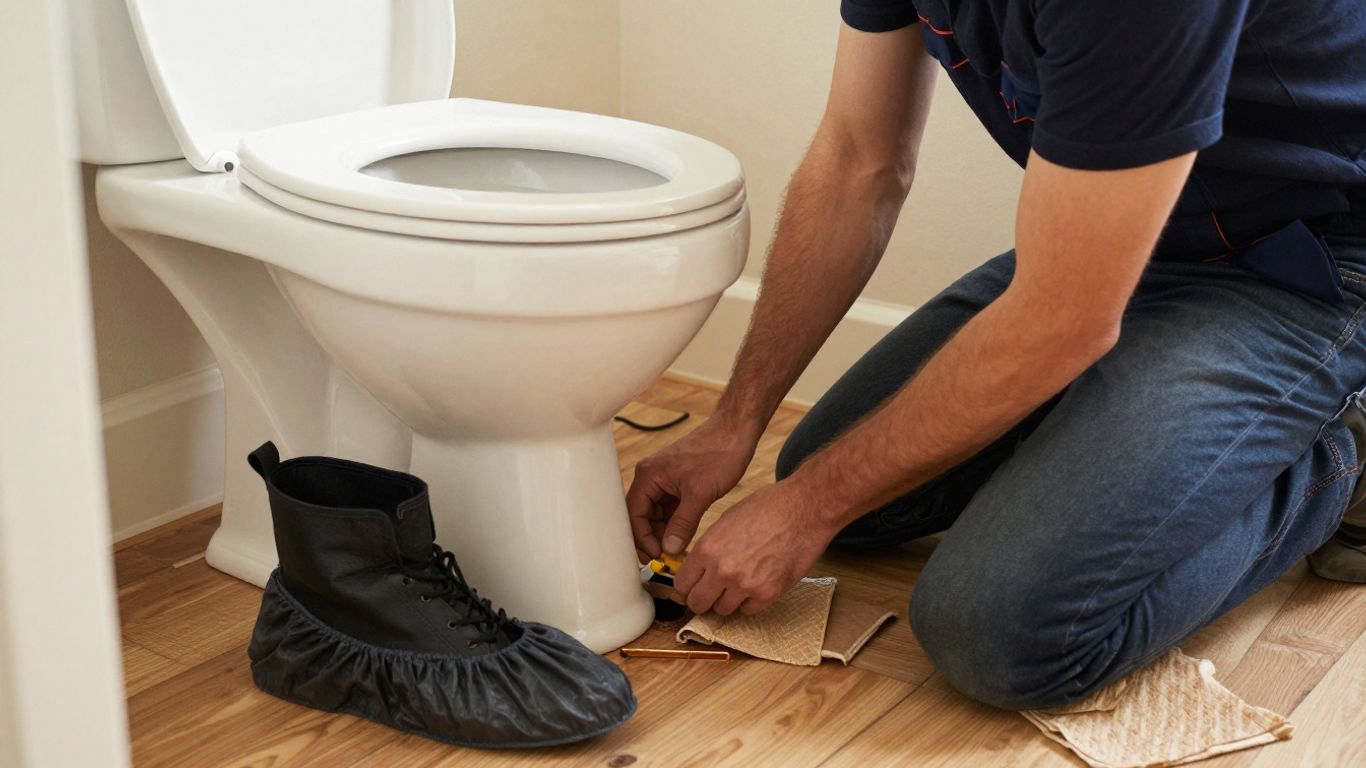
A careful plumber protects nearby flooring with drop cloths, controls water before disconnecting the fixture, and carries removed water away in a suitable container. After the repair, they should test for leaks, confirm stable mounting, and clean visible debris from the work area. Ask what cleanup is included if the job involves contaminated water or damaged flooring.
Before the plumber leaves, watch one or more flush cycles and check the supply connection. You should know how to operate the shutoff valve and what signs would justify a follow-up call.
Toilet repair costs and service decisions
The price of toilet repair depends on the problem, access, parts, urgency, and whether the work extends into the drain or floor. A simple tank component costs less to address than a concealed leak, failed flange, or sewer blockage. Emergency timing can also affect the service charge. For a useful overview of pricing factors, review IAPMO, which publishes the Uniform Plumbing Code, then ask your local provider for a job-specific quote rather than relying on a generic number.
Factors that affect the total repair price
Labor time is only one part of the estimate. The plumber may need to account for replacement parts, fixture removal, drain equipment, floor access, disposal, water damage, and after-hours scheduling. Difficult access or corroded connections can add time even when the visible symptom seems minor.
Use this checklist when discussing the estimate:
- Ask whether a diagnostic, trip, or emergency fee applies.
- Confirm whether parts and disposal are included.
- Ask what happens if the initial repair reveals a damaged flange or drain.
- Request the expected arrival window and payment terms.
That information gives you a better basis for comparison than a low initial figure with missing details. A written estimate should explain what is included and what would require approval.
Comparing repair costs with toilet replacement costs
Repair is often the better value when the fixture is structurally sound and one part has failed. Replacement becomes more attractive when several components need attention, the toilet is cracked, or installation problems keep returning. Remember to include removal, disposal, new supply hardware, and any floor or flange work in a replacement comparison.
Do not choose solely by the lowest advertised price. A quote that explains the scope, warranty, timing, and possible complications can be more useful than a smaller number that leaves key work unstated.
Questions to ask before hiring a plumber
Before you approve service, ask who will arrive, whether the plumber is licensed and insured, and whether the company handles the specific issue you described. You can also ask about the service window, diagnostic fee, parts warranty, workmanship warranty, and payment methods. If the toilet is actively overflowing, mention that at the beginning so the request can be triaged appropriately.
A transparent provider should answer plainly rather than pressure you into immediate work. If the diagnosis changes, you should receive the revised scope and price before the additional work starts.
How to choose a licensed and reliable plumbing service
Look for a service that verifies licensing and insurance, communicates a realistic arrival window, and explains pricing before dispatch. Reviews can provide useful context, but they should not replace asking direct questions about the current job. Landlords and property managers may also want to confirm how repeat service, documentation, and tenant coordination are handled.
Pro US Plumbers only makes the introduction; the price, timing and the work itself are agreed directly with the plumber you choose. That approach is useful whether you are facing an urgent overflow or planning a repair with time to compare options.
Related articles
Toilet flange repair kits: How to choose and install the right fix and Shower valve repair: How to diagnose leaks, replace parts, and restore water control cover other plumbing questions you may run into.
Further reading
For more background, see the InterNACHI and the American Society of Home Inspectors. It is also worth reading the FTC consumer advice and the Better Business Bureau. You can find more detail from the National Association of Home Builders.
If you would rather not sort this out alone, Fixtures and appliance plumbing (faucets, showers, disposals) and independent local plumbers in your area can contact you directly.
Bathroom and kitchen plumbing and Pricing guide: how plumbers charge and how to get a fair written quote may also be useful before you decide.
Request form: describe the problem so independent local plumbers can contact you and Where requests can be sent from: states and metros may also be useful before you decide.
About: how this referral service works and All plumbing service lines may also be useful before you decide.
Home: request a local plumber may also be useful before you decide.
Conclusion
Plumber toilet repair is rarely about replacing parts at random; it is about matching the symptom to its source, taking sensible safety steps, and knowing when the problem has moved beyond a DIY fix. Shut off water when needed, document what you observe, and ask for timing, scope, and price before professional work begins.
Frequently Asked Questions
How do I know whether my toilet is clogged or broken?
If the bowl rises and drains slowly, a clog is likely, especially when the issue began suddenly. A toilet that runs, leaks, or flushes weakly without rising water may have a tank, seal, supply, or drain problem instead.
Why does my toilet keep running after I flush?
The flapper may not be sealing, the chain may be misadjusted, or the fill valve may be allowing too much water into the tank. Check whether water is entering the overflow tube and whether the tank level falls after the refill cycle ends.
Is water around the base of a toilet an emergency?
It deserves prompt attention, particularly if the water appears during flushing, the toilet rocks, or the floor feels soft. Shut off the supply if necessary and limit use until the source, wax ring, flange, and flooring can be assessed.
Can I use a chemical drain cleaner in a toilet?
Chemical drain cleaners are generally a poor choice for toilet clogs because they may damage components, splash back, or remain in the bowl while you work. Try a correctly sized toilet plunger first, and seek professional help if the obstruction does not clear.
When should I replace a toilet instead of repairing it?
Replacement may be sensible when the porcelain is cracked, the fixture needs repeated repairs, compatible parts are unavailable, or performance remains poor after diagnosis. A sound toilet with one failed component is often a good repair candidate.
How much does toilet repair usually cost?
There is no single reliable price because labor, parts, urgency, access, drain conditions, and possible floor or flange work all affect the total. Ask for the diagnostic or trip fee, included parts, labor scope, and any approval requirements before work starts.
What should I do while waiting for a plumber?
Stop flushing, close the toilet’s shutoff valve if water is rising or running continuously, and keep people and pets away from contaminated water. Note when the problem began, which fixtures are affected, and any visible leak so the plumber can begin with useful information.