Urgent plumbing
Septic System Services
Septic tank pumping, inspection, repair, drain field work and full system installation. Deferred pumping is the most expensive saving in home ownership.
Common signs
Signs you need septic systems
- Slow drains throughout the house at once
- Standing water or soggy ground over the drain field
- Sewage odours in the yard
- Unusually lush green grass over the field
- Sewage backing up into the lowest drains
- It has been more than 3–5 years since the last pump-out
Typical jobs
11 kinds of work under septic systems
Septic tank pumping
Scheduled pump-outs with solids and scum layers measured and recorded.
Septic tank inspection
Full condition survey including baffles, lids and effluent filter — the standard real-estate transfer inspection.
Septic system repair
Baffle, lid, riser, effluent filter and inlet or outlet pipe repairs.
Drain field installation
New leach field construction sized to soil percolation and household load.
Drain field repair and restoration
Remediation of failing fields, including jetting laterals and replacing failed sections.
Septic system installation
Complete new systems including tank, distribution box and field, permitted and inspected.
Septic tank replacement
Replacing cracked, collapsed or undersized tanks.
Distribution box repair
Levelling and replacing D-boxes so effluent is distributed evenly across the field.
Septic pump and alarm service
Effluent pump, float and high-water alarm repair for pumped systems.
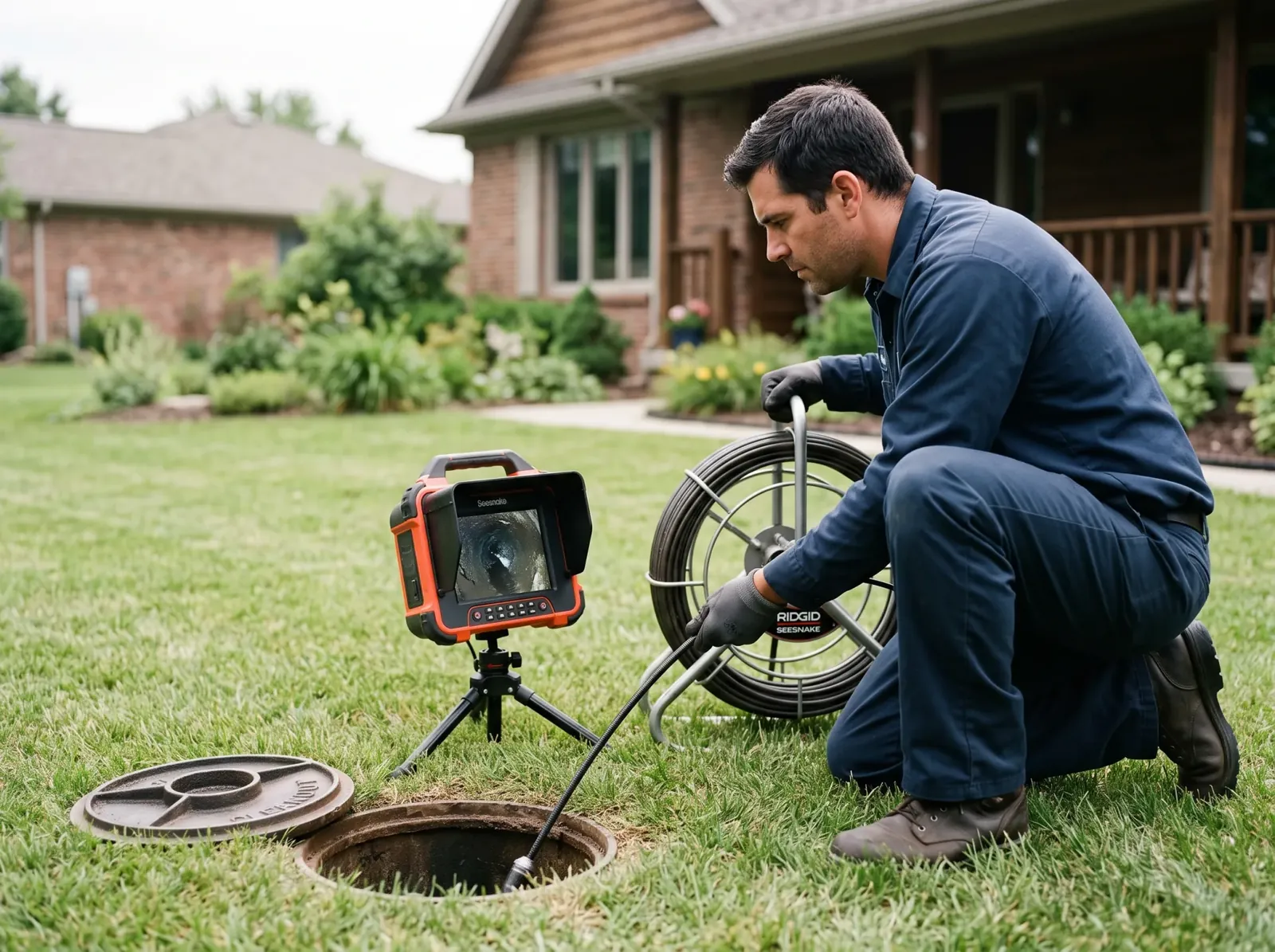
Septic line locating and camera inspection
Finding buried tanks and lines, and camera surveys of the line from the house.
Riser and access lid installation
Bringing access to grade so future pumping does not require excavation.
FAQ
Septic Systems: common questions
How often should a septic tank be pumped?
Every three to five years for a typical household, more often for a small tank or a large family. Waiting until you see symptoms means solids have already carried into the drain field, and a ruined drain field costs many times what a decade of pumping does.
Do septic additives work?
There is no credible evidence that additives reduce the need for pumping, and some degrade the biological process or carry solids into the field. A healthy tank generates the bacteria it needs. Save the money for the pump-out.
What should never go into a septic system?
Wipes of any kind including those labelled flushable, grease, coffee grounds, paint, solvents, harsh drain cleaners and excessive bleach. Wipes are the single most common cause of pump and baffle failures.
Can a failing drain field be saved?
Sometimes. If the field has failed from a solids overload caught early, jetting the laterals and correcting the cause can restore it. If it has failed from age, compaction or long-term saturation, it needs replacing — ask the contractor which one you have rather than accepting a restoration that buys three months.
Send a request
Request septic systems
Describe the problem and your request goes to independent local plumbers, who contact you directly if they can help. They set their own prices, so ask for the price in writing before you agree to any work.
Something leaking, blocked or not heating?
Send one request describing the problem. Independent local plumbers can contact you directly with their availability and price, and you choose whether to hire any of them.
Requests accepted any time · Plumbers set their own prices and timing